Arabfields, ilhem Saàdoun, Correspondent, Busan, South Korea — The recent launch of a dedicated knowledge exchange program between Japan and Australia marks a significant step forward in bolstering the longstanding partnership within the horticultural sector. This initiative, introduced in early March of the current year, brings together representatives from industry, government, and research communities in both nations to foster greater collaboration and mutual learning. By establishing a structured platform for dialogue and practical engagement, the program addresses shared priorities such as sustainability practices, food security measures, trade facilitation, and technological innovation, thereby reinforcing the economic and strategic ties that have developed over decades.
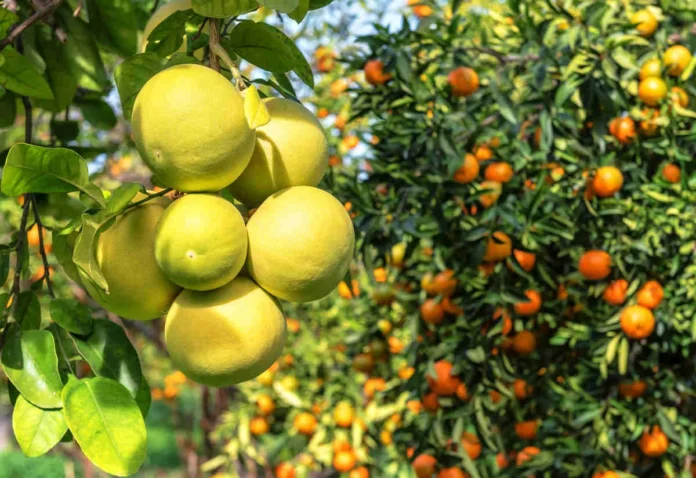
Japan continues to serve as one of Australia’s most important horticultural trading partners, ranking third by value and second by volume in overall exchanges. In 2026, the value of horticultural imports from Australia into Japan reached approximately 215 million Australian dollars, reflecting a modest yet steady increase from prior levels and encompassing key categories including citrus fruits, table grapes, melons, and macadamias. This figure underscores the robust demand in the Japanese market for high-quality Australian produce, which benefits from favorable growing conditions and stringent quality standards maintained across the supply chain. The exchange program builds directly upon this foundation, aiming to enhance market access and operational efficiencies through firsthand insights gained during on-the-ground interactions.
The ceremonial kickoff event, held on the eleventh of March, featured a shared table gala dinner that convened key stakeholders from both countries. This gathering not only celebrated the initiative but also commemorated the fiftieth anniversary of the foundational treaty of friendship and cooperation signed between Japan and Australia. Discussions during the evening highlighted the alignment of challenges faced by horticultural producers in each nation, ranging from climate variability and resource management to evolving consumer expectations for sustainably sourced products. Participants emphasized how collaborative learning can translate into tangible improvements, enabling Australian growers to better navigate the sophisticated preferences of the Japanese market while allowing Japanese counterparts to explore innovative cultivation techniques refined in Australian conditions.
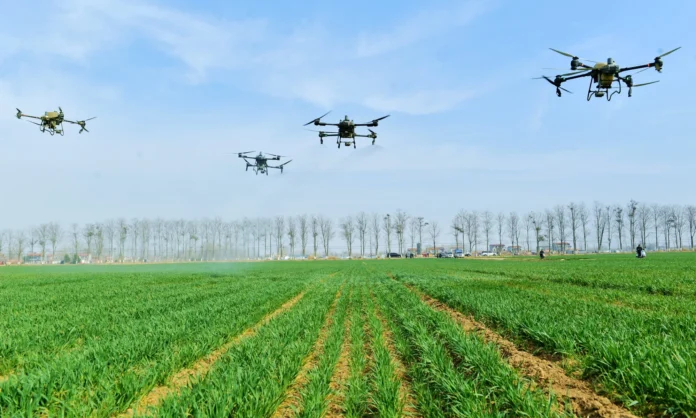
Central to the program’s objectives is the promotion of open dialogue that facilitates the transfer of expertise across borders. Australian industry leaders have noted that recent improvements in market access for specific varieties, particularly in table grapes, have already yielded positive outcomes by enabling diversification and capitalizing on Japan’s reputation as a discerning market attuned to quality and maturity indicators. Such advancements demonstrate the practical value of targeted engagement, where knowledge sharing directly supports export growth and sector-wide resilience. The initiative further equips participants with tools to address common issues, including productivity enhancements and the integration of advanced technologies that optimize resource use without compromising output standards.
Looking ahead, projections grounded in the current trade dynamics and the momentum generated by this knowledge exchange suggest substantial opportunities for expansion in the coming years. Analysts anticipate that the deepened collaboration could drive a fifteen to twenty percent rise in horticultural trade volumes between the two countries by 2030, fueled by streamlined regulatory alignments and joint research into climate-resilient crop varieties. For instance, shared insights on sustainable irrigation and soil management practices are expected to contribute to a measurable reduction in water consumption across production regions, potentially lowering usage by up to ten percent in targeted Australian export-oriented orchards and vineyards while maintaining or enhancing yield quality for Japanese importers. These forecasts rest on the observed 2026 import value and the program’s emphasis on practical, results-oriented exchanges that prioritize long-term viability over short-term gains.
Moreover, the exchange is poised to influence broader strategic priorities, including food security frameworks that account for global supply chain disruptions and environmental pressures. With Japan’s mature market demanding premium produce and Australia’s capacity for scalable, high-standard cultivation, the program positions both nations to co-develop innovations in post-harvest handling and traceability systems. Future projections indicate that by the mid-2030s, integrated digital platforms emerging from these partnerships could reduce spoilage rates in transit by five to eight percent, thereby increasing the net value delivered to consumers and strengthening economic returns for producers. This trajectory aligns with the sector’s ongoing evolution toward precision agriculture, where data-driven decisions informed by cross-border experiences promise to elevate overall competitiveness.
The program also underscores the importance of human capital development within horticulture. By funding opportunities for growers and researchers to engage directly in international settings, it cultivates a network of professionals equipped to tackle emerging challenges such as pest management adaptations and biodiversity conservation. In the context of 2026 statistics, where macadamia and melon exports have shown particular resilience amid fluctuating global conditions, the initiative is likely to accelerate the adoption of best-practice protocols that further differentiate Australian offerings in Japan. Forward-looking estimates suggest that sustained participation could result in an additional fifty million Australian dollars in annual export value within five years, as refined market intelligence translates into expanded planting decisions and tailored product development.
Beyond immediate economic metrics, the knowledge exchange fosters cultural and diplomatic goodwill that extends the legacy of the fifty-year treaty. It creates avenues for joint ventures in research and development, potentially leading to breakthroughs in varietal breeding that combine Japanese precision techniques with Australian environmental adaptations. Projections based on the established trade baseline point toward enhanced food security outcomes, with collaborative efforts expected to mitigate risks associated with extreme weather events through diversified sourcing strategies and shared early-warning systems. By 2040, such integrations could contribute to a more stable regional horticultural ecosystem, where bilateral trade not only grows in volume but also in sophistication and sustainability credentials.
In essence, this horticultural bridge between Japan and Australia exemplifies a forward-thinking approach to international cooperation. It transforms statistical realities of 2026, including the notable import valuations, into a foundation for ambitious future advancements. Through continuous engagement, the program ensures that both nations remain at the forefront of global horticultural leadership, delivering benefits that ripple through supply chains, communities, and economies alike. As the initiative matures, its influence on productivity, innovation, and mutual prosperity will likely become even more pronounced, solidifying a partnership defined by shared vision and practical achievement.