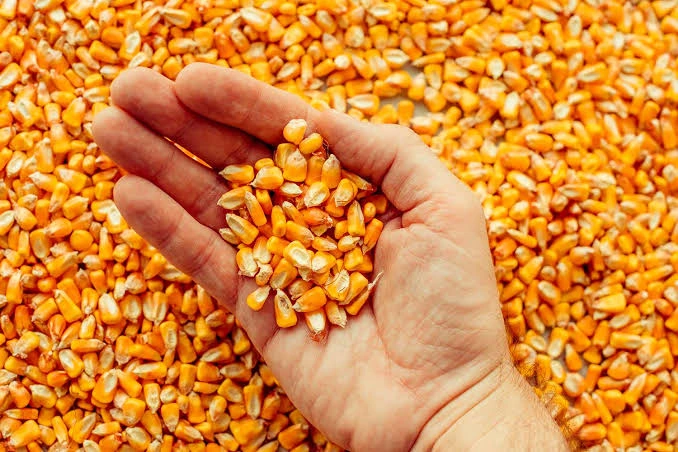
Arabfields, Mira Sabah, Special Economic Correspondent, Nairobi, Kenya — Kenya is heading toward a significant maize supply shortfall, with the government estimating that the country could face a deficit of nearly 486,000 tonnes by the end of September. The figure, equivalent to about 5.4 million 90 kilogram bags, highlights renewed pressure on one of the country’s most important food crops.
Agriculture Cabinet Secretary Mutahi Kagwe presented the estimate to Parliament as farmers and consumers continue to deal with an uncertain food market. Maize remains central to daily diets across Kenya, making any prolonged shortage a concern not only for farmers and millers but also for households already watching the cost of basic food items.
The projected gap comes as domestic production struggles to keep pace with consumption. Weather conditions remain a major source of uncertainty for farmers, while growing demand continues to put pressure on available supplies. Kenya has faced similar tensions between production and consumption in previous seasons, with shortages often increasing the country’s reliance on regional imports.
For ordinary consumers, the numbers translate into a more immediate concern. A shortage of nearly half a million tonnes could put additional pressure on maize prices if supplies do not improve. For families that depend heavily on maize flour, even a moderate increase can quickly affect household budgets.
The situation is also important for farmers. While higher prices can provide an incentive for producers, the benefits may be limited if rising input costs, unpredictable rainfall or reduced yields continue to affect production. Farmers therefore face a difficult balance between responding to market demand and managing the risks associated with the next planting season.
The government’s estimate also raises questions about how the deficit will be covered. Imports from neighbouring countries could become increasingly important if domestic stocks remain insufficient. Kenya has previously relied on supplies from countries such as Tanzania and Uganda when local production has fallen short of demand, making regional availability an important factor in the coming months.
The 2026 outlook suggests that the pressure may not disappear quickly. If consumption continues to grow while production remains vulnerable to weather shocks, Kenya could enter the final months of the year with a tighter maize market than usual. In that scenario, additional imports would become more likely, particularly if the next harvest fails to compensate for the current gap.
A better harvest could ease the situation, however. Improved weather conditions, stronger farm output and timely movement of maize into the market could narrow the projected deficit and reduce pressure on prices. The final balance will therefore depend heavily on production results, existing stocks and the government’s response between now and September.
For consumers such as Nairobi resident Mary Wanjiku, who buys maize flour regularly for her family, the issue is ultimately less about tonnes and forecasts than what appears on the shop shelf. A prolonged shortage could make an already sensitive household expense harder to manage.
Kenya’s immediate challenge is therefore to prevent a temporary supply gap from becoming a longer food security problem. With a projected shortfall of 486,000 tonnes, the coming months will be closely watched by farmers, traders, millers and consumers alike. If current pressures persist, the country is likely to rely more heavily on imports while seeking ways to strengthen domestic maize production for the seasons ahead.