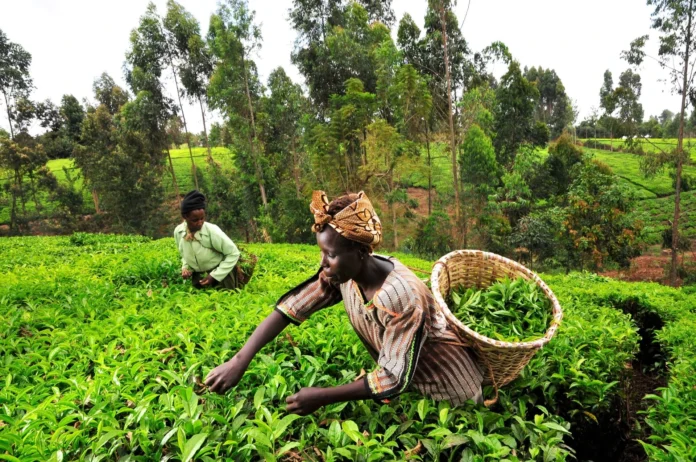
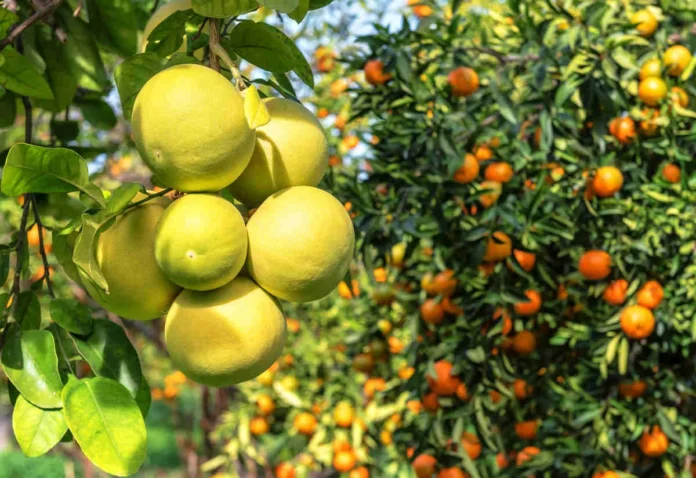
Arabfields, Mira Sabah, Special Economic Correspondent, Nairobi, Kenya — In the vibrant heart of East Africa’s economic landscape, Kenya stands at a pivotal crossroads, where the lush highlands of its coffee estates, coffee estates, the misty slopes of its tea plantations, and the sun-drenched orchards of its avocado groves converge with the inexorable pull of global markets. As of late 2025, the nation is intensifying diplomatic overtures to China, its burgeoning trade partner, urging the elimination of tariffs on these cornerstone agricultural exports. This push comes amid a remarkable surge in shipments to the Asian giant, underscoring not just Kenya’s agricultural resilience but also the transformative potential of bilateral ties forged in recent years. With exports of coffee, tea, and avocados already climbing by double-digit percentages annually, the prospect of tariff-free access could unlock exponential growth, propelling rural economies, bolstering foreign exchange reserves, and redefining Kenya’s role in the global supply chain. Yet, this ambition is intertwined with innovative sustainability efforts, particularly through solar energy partnerships that are quietly revolutionizing farming practices from irrigation to post-harvest processing, ensuring that this trade boom is as green as it is lucrative.
The roots of this tariff negotiation trace back to the evolving dynamics of Kenya-China relations, which have deepened since the signing of the Forum on China-Africa Cooperation agreements in the early 2010s. China, the world’s largest importer of coffee and a voracious consumer of tea, has seen its appetite for Kenyan produce grow steadily, driven by shifting consumer preferences toward premium, ethically sourced goods. In 2024 alone, Kenyan coffee exports to China jumped by 28 percent year-over-year, reaching approximately 15,000 metric tons, while tea shipments increased by 22 percent to over 50,000 tons, according to preliminary data from the Kenya National Bureau of Statistics. Avocados, a newer darling in Chinese markets, posted an even more staggering 45 percent rise, with volumes hitting 8,000 tons as urban millennials in Beijing and Shanghai embrace the fruit’s creamy versatility in smoothies and salads. These figures represent a stark contrast to the sluggish growth in traditional markets like the European Union, where regulatory hurdles and fluctuating commodity prices have tempered enthusiasm. For Kenya, whose agricultural sector employs over 40 percent of the workforce and contributes a quarter of GDP, this pivot eastward is nothing short of a lifeline, especially as climate variability and domestic input costs erode profit margins.
At the core of Kenya’s advocacy is a pragmatic recognition that tariffs, currently hovering between 8 and 15 percent on these commodities, act as an invisible barrier, inflating prices and dampening competitiveness. During high-level talks at the China-Africa Economic and Trade Expo in November 2025, Kenyan Trade Principal Secretary Alfred Mutua articulated this frustration with characteristic candor, stating that “removing these duties would not only honor the spirit of our strategic partnership but also align with China’s own commitments to sustainable development goals under the Belt and Road Initiative.” Echoing this, avocado growers from Murang’a County, represented by the Kenya Avocado Association, have lobbied vigorously, highlighting how tariff relief could double their export volumes within two years, injecting an estimated $200 million into local economies annually. Coffee and tea cooperatives, long the backbone of Kenya’s rural heartland, see similar windfalls: tariff elimination could shave 10 to 12 percent off landed costs in China, potentially boosting farmer incomes by 15 to 20 percent after accounting for logistics and quality certifications. This isn’t mere rhetoric; pilot programs under the African Continental Free Trade Area have already demonstrated that duty reductions can catalyze a 30 percent uptick in export volumes for similar perishables, providing a blueprint for what Kenya envisions.
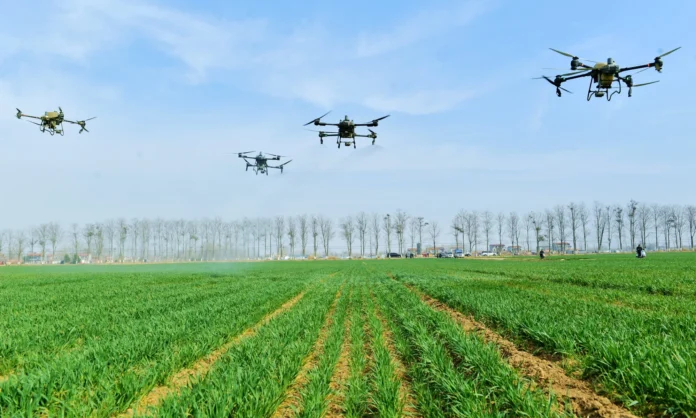
Yet, the narrative extends beyond mere tariff skirmishes, weaving in a tapestry of forward-looking synergies that blend trade with technological innovation. Central to this is Kenya’s burgeoning embrace of solar energy partnerships, spearheaded by collaborations between the Kenya Renewable Energy Association and Chinese firms like JinkoSolar and Trina Solar. These alliances are channeling affordable photovoltaic systems into agricultural heartlands, transforming water-scarce regions into productive oases. In Kitui County, for instance, solar-powered irrigation schemes have increased avocado yields by 35 percent since 2023, drawing directly from the grid-independent panels that power drip systems and boreholes. Farmers report harvesting up to three crops per year instead of two, a boon that aligns seamlessly with tariff-free aspirations by ensuring consistent supply volumes to meet Chinese demand spikes during peak seasons. Similarly, in the tea-rich Aberdare ranges, solar dryers and processing units, funded through concessional loans from the China Development Bank, have cut post-harvest losses from 25 percent to under 10 percent, preserving aroma and quality that command premium prices in Shanghai’s teahouses. These initiatives aren’t isolated; they form part of a $500 million green agriculture fund announced at the 2025 expo, aimed at scaling solar adoption across 100,000 smallholder farms by 2030.
Looking ahead, the implications of these intertwined developments paint a portrait of Kenya as an agro powerhouse on the cusp of a renaissance. If tariff negotiations conclude favorably by mid-2026, as optimistic projections from the International Trade Centre suggest, given China’s recent zero-tariff pledges to least-developed countries, export revenues from coffee, tea, and avocados could swell by 40 to 50 percent within three years, reaching $1.5 billion annually. This influx would fortify Kenya’s balance of payments, currently strained by a $70 billion external debt load, and enable reinvestments in value-added processing: envision solar-equipped factories churning out ready-to-brew tea concentrates or avocado oils tailored for China’s wellness market. Rural transformation would accelerate, with women’s cooperatives in avocado belts gaining access to microfinance for solar kits, potentially lifting household incomes by 25 percent and reducing urban migration pressures. On the sustainability front, widespread solar integration could slash agriculture’s carbon footprint by 20 percent by 2030, positioning Kenya as a model for climate-resilient trade under the Paris Agreement. Challenges loom, of course, fluctuating global prices, phytosanitary standards, and geopolitical frictions could temper gains, but diversified markets and tech infusions offer buffers.
By 2035, one can foresee a matured ecosystem where Kenya’s exports to China evolve from raw commodities to sophisticated blends: organic fair-trade coffees roasted in solar kilns, artisanal teas infused with indigenous herbs, and nutrient-packed avocado derivatives gracing e-commerce shelves from Alibaba to Tmall. This trajectory not only promises economic multipliers, each dollar exported generating $2.50 in downstream activity, but also cultural bridges, as Kenyan baristas train Chinese peers and avocado festivals sprout in Guangzhou. In essence, Kenya’s tariff crusade, amplified by solar synergies, heralds an era where African ingenuity meets Eastern opportunity, yielding harvests that nourish both plate and planet. As the sun sets over Nairobi’s skyline, the horizon gleams with the promise of untapped bounties, urging policymakers and planters alike to seize this moment of momentum.