Arabfields, Mira Sabah, Special Economic Correspondent, Nairobi, Kenya — Kenyan chili farmers and exporters are preparing to enter the Chinese market following approval for dried chili exports, a development expected to create new commercial opportunities for the country’s agricultural sector and strengthen trade ties between Nairobi and Beijing.
The approval, announced by the Kenya Plant Health Inspectorate Service (KEPHIS), allows Kenyan dried chilies to enter China, provided producers and exporters comply with strict phytosanitary, food safety and quality requirements.
The move comes as China expands its zero-tariff trade arrangements to all 53 African countries with which it maintains diplomatic relations. The policy, which took effect on May 1, 2026, is intended to facilitate African exports and encourage stronger commercial exchanges between the two regions.
For farmers in western Kenya, the decision represents an opportunity to reach a much larger customer base. Chili cultivation has become an important source of income for small-scale agricultural producers, with demand supported by food-processing industries and consumers in Europe, the Middle East and Asia.
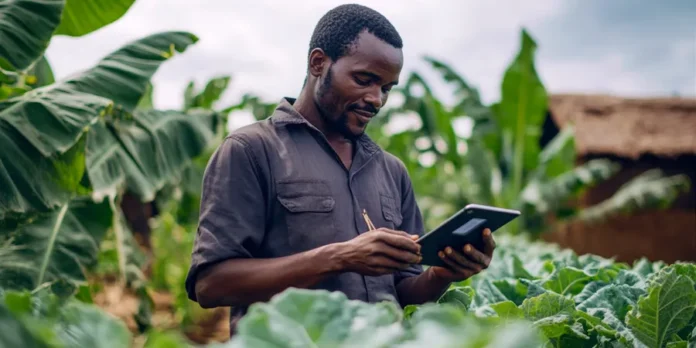
Judy Towett, a chili farmer in Kerio Valley, welcomed the development but stressed that market access alone would not guarantee commercial success. Farmers need technical support, reliable buyers and the knowledge required to meet international standards before exports can become a sustainable source of income.
Her concerns reflect a wider challenge facing Kenyan agriculture. Smallholder farmers often produce quality crops but lack the infrastructure, financing and market connections needed to compete in demanding international markets.
Under the new arrangement, farms, processing plants and packing facilities must be registered with KEPHIS before commercial shipments can begin. Export processing and packaging facilities must also receive registration from Chinese customs authorities.
Each shipment will require a phytosanitary certificate confirming compliance with China’s import regulations. Exporters must maintain traceability records identifying the origin of agricultural products and demonstrate that appropriate farming and pest-control practices have been followed.
Food safety requirements are particularly demanding. Authorities will monitor pesticide residues, aflatoxin B1 and heavy metal contamination, while shipments must be free from salmonella and specified quarantine pests and diseases. Dried chilies must also have a moisture content of no more than 13%, alongside compliance with Chinese packaging and labelling rules.
For local businesses, these requirements could encourage investment in modern drying, storage and processing facilities. Rather than exporting unprocessed agricultural products, Kenya has an opportunity to develop more value-added activities at home, creating additional employment in rural communities.
The potential economic benefits extend beyond farmers. Exporters, transport companies, packaging manufacturers and agricultural processing businesses could all benefit if commercial shipments expand. Increased demand could also encourage financial institutions to develop credit products tailored to agricultural producers.
Kenya already exports several agricultural commodities to China, including avocados. The addition of dried chilies could gradually diversify the country’s agricultural export portfolio and reduce its dependence on a limited number of international markets.
The opportunity also comes as the Kenyan government seeks to attract Chinese investment in manufacturing and agro-processing. During a visit to Beijing in October 2026, a delegation led by Investments, Trade and Industry Cabinet Secretary Lee Kinyanjui explored potential partnerships with Chinese companies and financial institutions.
At a Kenya-China investor roundtable, Kinyanjui highlighted the importance of attracting investments that establish industries and create employment rather than simply increasing imports of finished products.
Looking ahead, the prospects for Kenyan chili exports will depend largely on how quickly producers adapt to Chinese regulatory requirements and establish reliable commercial relationships with importers. If registration procedures are completed efficiently and processing capacity improves, the first commercial shipments could help establish a foundation for longer-term trade.
Demand from China could also encourage farmers to expand cultivated areas, although production growth will need to be supported by access to quality seeds, irrigation, agricultural training and appropriate financing. Without these improvements, higher demand could expose existing weaknesses in the supply chain.
Another important consideration will be price competitiveness. Kenyan exporters will have to compete with established chili suppliers from other Asian and African markets while maintaining consistent quality and reliable delivery schedules.
For farmers such as Towett, the immediate priority is therefore to turn regulatory approval into practical business opportunities. Access to buyers, technical guidance and better post-harvest infrastructure will determine how much of the potential export revenue reaches rural producers.
The opening of the Chinese market marks an important development in Kenya’s agricultural trade strategy. Its longer-term impact will depend not only on the scale of exports but also on the country’s ability to retain more value locally, create rural employment and build a competitive agro-processing industry.