Arabfields, Mira Sabah, Special Economic Correspondent, Nairobi, Kenya — Kenya’s efforts to transform agriculture into a major driver of industrial growth are facing a challenge that goes beyond access to machinery, financing and modern processing facilities. A lack of business knowledge among farmers is emerging as a significant obstacle to the country’s agricultural value addition ambitions.
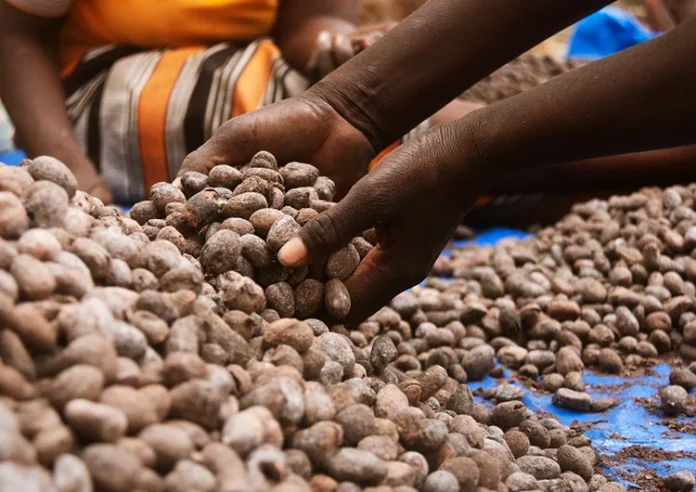
Across rural Kenya, millions of smallholder farmers remain concentrated at the production stage, selling raw agricultural commodities without fully understanding the commercial opportunities available further along the supply chain. While their produce eventually reaches factories, supermarkets and international markets, many have limited knowledge of how processing, packaging, branding and distribution determine its final market value.
For a smallholder farmer delivering fresh milk to a local collection centre, the difference between selling raw milk and producing yoghurt, cheese or butter can represent an entirely different business opportunity. The same applies to coffee growers, tea producers and fruit farmers, whose earnings are often influenced by commercial activities taking place far beyond their farms.
The economic importance of addressing this gap is becoming increasingly evident. Kenya’s agriculture, forestry and fishing sector expanded by 3.1 per cent in 2025, while contributing more than 20 per cent of the country’s economic output, according to the 2026 Economic Survey. However, the manufacturing sector grew by just 2 per cent, accounting for 7.1 per cent of gross domestic product.
The latest industrial figures also reveal weaknesses in agricultural processing. Sugar manufacturing declined by 24.8 per cent in 2025, while the production of prepared and preserved fruits and vegetables contracted by 5 per cent. These figures underline the difficulty of building a competitive processing industry without reliable raw material supplies, appropriate technology and stronger commercial capacity.
Industry experts and policymakers increasingly recognise that agricultural transformation requires more than establishing factories. Farmers must understand how their products are processed, how consumer preferences influence prices and why certain grades, packaging standards and certifications attract higher returns.
The challenge is particularly important for younger generations in farming communities. Many children grow up participating in agricultural activities but have limited exposure to the businesses that transform agricultural produce into finished consumer goods.
Introducing practical agricultural business education into schools and vocational training programmes could help bridge this divide. Visits to processing facilities, exposure to packaging operations and basic lessons in entrepreneurship would allow young people to understand the relationship between farming, manufacturing and international trade.
Such an approach could also encourage more young people to consider agriculture as a business opportunity rather than simply a traditional occupation.
Kenya has already made significant investments in strengthening its agricultural value chains. Government programmes targeting productivity, market access and processing capacity are expected to support the transition towards higher-value exports. In March 2026, agriculture and agro-processing attracted approximately $890 million in investment commitments announced at the Kenya International Investment Conference.
However, converting these investments into sustainable economic benefits will depend partly on whether smallholder producers can participate more actively in commercial activities.
The outlook for the sector remains promising. Kenya’s agricultural exports were valued at approximately $3.3 billion in 2024, representing a substantial opportunity for further expansion through domestic processing and improved product differentiation. Growing international demand for processed foods, horticultural products and speciality agricultural commodities could create additional opportunities over the coming years.
If investment in processing capacity is accompanied by better agricultural education, stronger farmer cooperatives and improved access to commercial information, Kenya could gradually increase the share of agricultural products exported in processed form. This would potentially strengthen rural incomes, expand manufacturing employment and reduce dependence on imported food products.
Nevertheless, progress will depend on addressing persistent challenges, including the cost of production, inconsistent supplies, limited access to affordable financing and unpredictable regulatory conditions.
Ultimately, agricultural value addition should not be measured only by the number of factories established or the volume of products processed. Its success will also depend on how much knowledge, income and commercial opportunity reaches the people who produce the raw materials.
For Kenya’s agricultural transformation to deliver lasting results, farmers must become more than suppliers of raw produce. They must understand the markets, businesses and opportunities that give their harvests their full economic value.