Arabfields, Maleeka Kassou, East, West & Central Africa Agriculture Correspondent — The government of Mali has announced a substantial financial commitment to its agricultural sector for the 2026/2027 farming campaign, allocating CFA 164.4 billion, equivalent to approximately 289 million United States dollars. This funding represents a two percent increase over the budget of the preceding season and reflects a continued emphasis on enhancing productivity in key areas that underpin both national food security and economic stability.
During the sixteenth session of the National Executive Committee for Agriculture, convened on the second of April in Bamako, authorities outlined the priorities for the forthcoming campaign. The allocation aims to bolster production across essential sectors, with particular attention directed toward cotton and staple food crops. Such measures form part of a broader strategy to address persistent challenges while capitalizing on opportunities for growth in a sector that contributes significantly to the nation’s gross domestic product and employs a large proportion of the population.
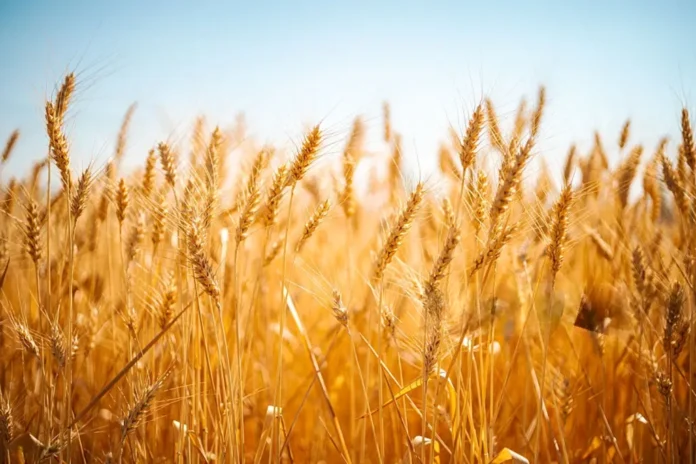
In recent years, Mali has demonstrated resilience in its agricultural output despite various constraints. For instance, cereal production in the 2025/2026 season reached preliminary estimates of around 11.4 to 11.5 million metric tons, marking a modest rise from previous levels thanks in part to favorable rainfall patterns. Cultivated land for cereals has spanned millions of hectares, with traditional farming households accounting for the vast majority of output. Maize and rice together constitute more than sixty percent of total cereal production, followed by millet and sorghum, positioning Mali as the second-largest cereal producer in West Africa after Nigeria.
For the 2026/2027 campaign, projections indicate further advancement. Cereal production is anticipated to climb by approximately four percent, reaching 11.9 million metric tons. This expected increase stems from targeted interventions supported by the new budget, including improved access to inputs, enhanced water control mechanisms, and measures to secure farmland. Such progress would not only strengthen domestic food availability but also support export potential in the region, where demand for staples remains robust.
Cotton, a vital cash crop for Mali, receives heightened focus under the current plan. The target for seed cotton output stands at 598,500 tons, which corresponds to a thirty-eight percent increase compared with the prior campaign. Earlier ambitions even envisioned exceeding 650,000 tons, underscoring the sector’s strategic importance for foreign exchange earnings and rural livelihoods. Investments in modernizing cultivation practices, providing quality seeds, and expanding support services are expected to drive this growth, thereby reinforcing the industry’s role in the national economy.
The agricultural sector in Mali occupies a central position within the broader economic landscape. It accounts for roughly thirty-three percent of gross domestic product and sustains employment for nearly eighty percent of the population. In 2026, overall economic growth forecasts hover around five point four percent, with agriculture contributing meaningfully alongside mining and services. However, the sector faces structural vulnerabilities, including reliance on rain-fed systems, exposure to climate variability, and disruptions from security issues in certain regions.
Challenges persist, particularly in conflict-affected areas of the center and north, where food insecurity outcomes range from stressed to crisis levels for a significant portion of the population. Estimates suggest that between two and 2.49 million people may require assistance at peak periods during 2026, with localized deteriorations potentially reaching emergency thresholds in zones such as Ménaka. Factors such as elevated food prices, reduced incomes, and supply chain interruptions exacerbate these difficulties, even as national cereal availability remains near average.
The allocated budget addresses these realities through a multifaceted approach. Funds will facilitate accelerated development of water control infrastructure, which is essential for mitigating the impacts of erratic rainfall and extending productive capacities into drier periods. Securing farmland against encroachment and disputes forms another priority, ensuring that smallholder farmers retain access to viable plots. Modernization efforts encompass the distribution of improved inputs, training programs, and the promotion of climate-smart techniques that enhance resilience.
Beyond immediate production targets, the campaign integrates considerations for long-term sustainability. Projections grounded in current trends suggest that sustained investments could yield compound benefits over the coming decade. If annual growth in cereal output averages between three and five percent through targeted support, total production might surpass fifteen million metric tons by the mid-2030s. Similarly, cotton yields could expand substantially, provided that market access, processing capacities, and international demand align favorably.
Such trajectories depend on several variables. Continued improvements in security conditions would enable fuller utilization of arable land, particularly in currently constrained regions. Advances in irrigation and water management could reduce vulnerability to drought, potentially adding hundreds of thousands of hectares to effective cultivation. Integration of digital tools for advisory services and market information might further elevate productivity among smallholders, who constitute the backbone of the sector.
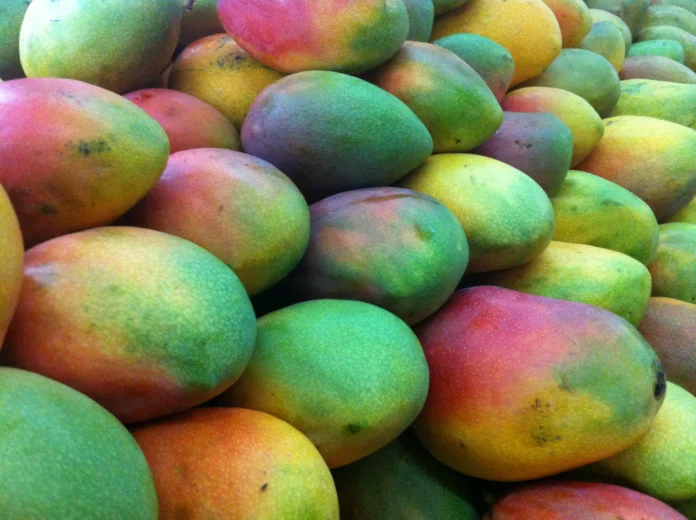
Economic analyses indicate that agriculture’s contribution to gross domestic product could rise modestly if diversification into higher-value sub-sectors progresses. Opportunities exist in underexploited areas such as shea butter, mangoes, peanuts, cashews, and biofuels, which offer potential for value addition and export diversification. With appropriate scaling of processing facilities and adherence to quality standards, these segments could generate additional revenue streams while creating employment for the hundreds of thousands of young people entering the labor market each year.
Food security strategies complement the production drive. Initiatives include emergency provisions of cereals to support vulnerable populations, strengthening of food reserve mechanisms, and subsidized distribution in urban centers. These efforts aim to stabilize prices and ensure accessibility, particularly during lean seasons when stocks deplete and prices tend to rise. Broader policy alignment with regional frameworks, including cooperation within the Sahel, may facilitate knowledge exchange and joint investments in infrastructure.
Looking ahead, demographic pressures will test the sector’s capacity. Mali’s population continues to grow rapidly, increasing demand for food and heightening the need for efficient resource use. Projections suggest that by 2030, the number of people requiring robust food systems could expand considerably. Meeting this demand sustainably will require balancing intensification on existing lands with careful expansion, while preserving environmental integrity.
Climate considerations loom large in future planning. Models anticipate more variable precipitation patterns, underscoring the importance of adaptive practices such as drought-resistant varieties, soil conservation, and integrated farming systems that combine crops with livestock. Budgetary support for research and extension services can accelerate the adoption of such innovations, thereby safeguarding yields against adverse weather events.
The 2026/2027 agricultural campaign thus represents more than a yearly budgetary exercise. It embodies a strategic commitment to reinforcing the foundations of Mali’s economy and society. Through increased funding, clear production targets, and a focus on resilience, authorities seek to elevate output, enhance food security, and lay the groundwork for sustained rural development.
As implementation unfolds, monitoring of key indicators, including actual cultivated areas, input utilization rates, and harvest outcomes, will provide insights into progress. Adjustments may prove necessary in response to evolving conditions, yet the underlying direction, toward greater self-reliance and productivity, remains consistent. In this context, the agricultural sector holds the potential to serve as a pillar of stability and prosperity for the nation in the years to come.