Arabfields, Sana Dib, Financial Correspondent, Johannesburg, South Africa — The escalating geopolitical tensions in the Middle East have placed significant pressure on South African agricultural exports, particularly those directed toward a market valued at more than one billion dollars in 2026. As the conflict involving major regional actors has intensified since late February 2026, disruptions to key maritime routes have begun to manifest in delayed shipments, elevated logistics costs, and stranded cargo, thereby endangering a vital outlet for the country’s fruit and related produce sectors. This situation arises at a time when South African agriculture has demonstrated robust growth, contributing substantially to national export revenues and supporting rural economies across the Western Cape and other key production regions. With the Middle East representing an increasingly strategic destination for high-value commodities such as citrus fruits, apples, pears, grapes, and stone fruits, the ongoing instability risks not only immediate revenue shortfalls but also longer-term shifts in global trade patterns that could reshape the competitive landscape for South African producers.
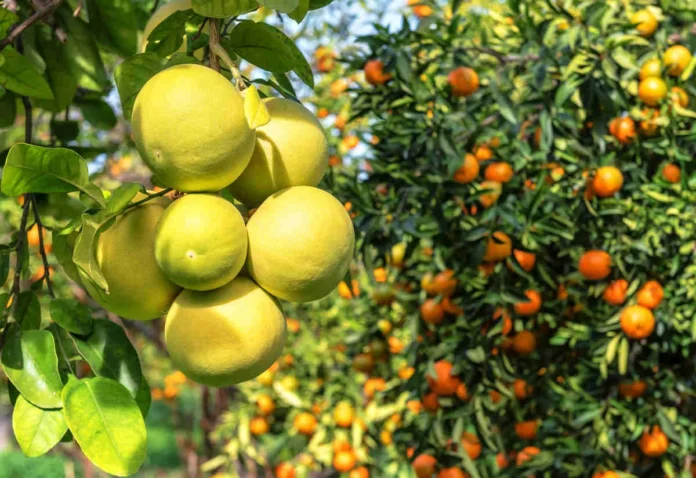
In 2026, South African fruit exports to the Middle East have already encountered substantial headwinds, with approximately ninety percent of shipments affected by supply chain interruptions linked to the broader regional crisis. Data from industry analyses indicate that the value of these exports surpassed 1.3 billion dollars in the preceding full-year period, underscoring the market’s importance relative to total agricultural outflows. Specific product categories reveal pronounced exposure, as the Middle East absorbs twenty-one percent of pear exports, twelve percent of apple exports, sixty percent of apricot exports, thirty-four percent of peach exports, seventeen percent of nectarine exports, and twelve percent of plum exports. These figures highlight the diversified yet concentrated reliance on the region, where demand for premium fresh produce remains strong amid growing consumer preferences for high-quality imports. Compounding the challenge, vessels carrying South African goods have faced rerouting necessities, with some containers left idle in Gulf ports or subjected to prolonged delays, resulting in quality degradation for perishable items that require timely delivery to maintain market value.
The conflict’s ripple effects extend beyond immediate logistics to broader economic implications for South Africa’s agro-industrial complex. Shipping costs for fruit consignments have tripled in certain corridors, driven by heightened insurance premiums, fuel surcharges, and the adoption of alternative but lengthier routes around the Cape of Good Hope. Market price adjustments observed in early 2026 reflect these pressures, with South African Royal Gala apples reaching 38.67 dollars per carton in the eleventh week of the year, marking a twenty-four percent increase compared to the prior year and a forty-nine percent rise relative to the equivalent period in 2024. Similarly, white seedless table grapes have climbed thirty-six point two percent to 25.67 dollars per carton, while red plums have surged forty-seven point two percent to 16.40 dollars per carton. Such elevations, while potentially offsetting some losses for exporters in the short term, risk eroding competitiveness against suppliers from other origins that benefit from more stable access to the region. Furthermore, instances of cargoes already en route being blocked or, in extreme cases, destroyed have exacerbated financial strain on producers and exporters, many of whom operate with thin margins and limited capacity to absorb sudden inventory losses.
Against this backdrop, the South African fruit industry, which has positioned itself as a global leader in off-season supply to the Northern Hemisphere, finds itself navigating unprecedented uncertainty. The sector’s success in recent years has stemmed from investments in cold-chain infrastructure, varietal innovation, and compliance with stringent international phytosanitary standards, enabling reliable delivery of commodities such as lemons, which began arriving in destination markets during the current season. Yet the Middle East conflict introduces variables that extend far beyond seasonal harvesting cycles. With the stonefruit and grape marketing seasons in the region approaching their conclusion in the coming weeks, attention has shifted toward the impending apple and pear campaigns, alongside continued citrus movements. Disruptions at this juncture threaten to undermine the cumulative gains achieved through bilateral trade agreements and promotional efforts that have elevated South Africa’s profile among Gulf importers and retailers.
Looking ahead, projections grounded in current 2026 trade data suggest a range of potential outcomes depending on the duration and intensity of the Middle East instability. Should the conflict persist through the second quarter of the year, analysts anticipate an overall contraction of fifteen to twenty percent in South African fruit exports to the affected markets, translating to potential revenue losses exceeding two hundred million dollars for the remainder of 2026. This scenario would likely compel producers to accelerate diversification strategies, redirecting volumes toward established European and Asian outlets where demand for counter-seasonal produce continues to expand. In a more protracted outlook extending into 2027, sustained disruptions could prompt structural adjustments within the industry, including enhanced investment in domestic processing capacities to convert surplus fresh produce into value-added goods such as juices, concentrates, and dried fruits, thereby mitigating exposure to volatile maritime routes. Optimistic forecasts, contingent upon diplomatic de-escalation by mid-2026, envision a recovery trajectory wherein export volumes rebound to pre-crisis levels by the fourth quarter, supported by pent-up demand in the Middle East and compensatory price premiums in alternative destinations.
The broader agricultural sector in South Africa, which has seen its contribution to export receipts grow steadily, stands to experience secondary effects from these developments. Elevated input costs, particularly for fertilizers influenced by parallel supply chain strains originating from the same geopolitical flashpoints, may further compress margins for the upcoming planting season. Nonetheless, the industry’s demonstrated resilience, evidenced by adaptive responses to prior global disruptions, positions it favorably to pursue mitigation measures. Collaborative initiatives between government agencies, producer associations, and logistics providers are expected to prioritize the identification of resilient shipping alternatives and the negotiation of contingency trade protocols with key partners. In parallel, ongoing monitoring of currency fluctuations and international freight indices will inform dynamic pricing and hedging strategies aimed at preserving profitability.
In conclusion, the Middle East conflict represents a multifaceted challenge to South African agricultural prosperity in 2026, threatening not merely a lucrative export corridor but also the momentum of a sector integral to national economic diversification and employment generation. While immediate impacts on shipments and pricing are already evident, the formulation of forward-looking forecasts emphasizes the necessity for proactive adaptation. By leveraging the strengths of its production base and fostering greater market pluralism, South Africa can navigate these headwinds, ensuring that its agricultural exports continue to serve as a cornerstone of sustainable growth amid evolving global realities. The coming months will prove decisive in determining whether the sector emerges strengthened through innovation or constrained by prolonged external volatility.