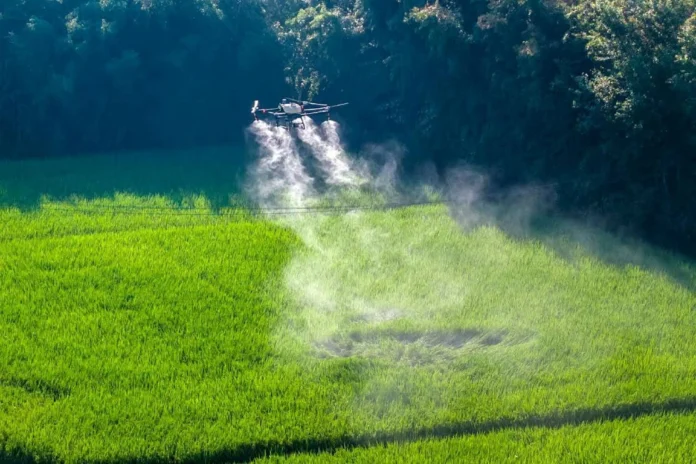
Arabfields, Nadia Fatima Zahra, Arabfields, Yamoussoukro, Ivory Coast — Nigeria is stepping up its efforts to modernize agriculture by integrating artificial intelligence and satellite technology into farming, a move that officials believe will strengthen food security, improve productivity and support millions of farmers facing climate and market challenges.
The newly introduced National Agro Productivity System combines satellite imagery with AI driven analytics to provide real time information on crop conditions, land use, weather patterns and production risks. Authorities say the platform will help farmers make faster and better informed decisions while allowing policymakers to monitor agricultural activity across the country with greater accuracy.
For many farmers, access to reliable information has long been one of the biggest obstacles to improving yields. Ibrahim Musa, a maize farmer in Kaduna State, said unpredictable weather and pest outbreaks often leave producers with little time to react. He believes receiving timely digital alerts could reduce losses and improve harvest planning.
Government officials expect the technology to support more efficient allocation of agricultural resources while strengthening national food production. Analysts note that agriculture continues to play a major role in Nigeria’s economy, accounting for about 23 percent of gross domestic product and employing roughly one third of the country’s workforce. Digital monitoring is also expected to improve transparency in agricultural planning and investment.
The initiative forms part of a broader national strategy to accelerate agricultural transformation through innovation. In parallel, Nigeria has increased public and private investment in farming, including new financing programs designed to encourage production, improve rural infrastructure and attract technology partners.
According to recent estimates, more than 40 million hectares of arable land remain available for cultivation across the country, while digital agriculture adoption continues to expand among commercial producers and farming cooperatives. Experts believe wider access to AI based advisory services could significantly reduce crop losses caused by pests, drought and inefficient resource management.
Agricultural specialists say satellite monitoring will also make it easier to identify vulnerable regions before harvests are affected, allowing authorities to respond more quickly to food security risks. The technology can generate detailed information on planting activity, crop health and expected yields, creating a stronger foundation for long term agricultural planning.
Looking ahead, industry observers expect Nigeria to expand the platform nationwide over the next few years and integrate additional services such as soil analysis, climate forecasting and precision fertilizer recommendations. If implementation continues at its current pace, AI supported agriculture could become a key driver of higher productivity, lower production costs and stronger resilience against climate related disruptions, positioning Nigeria among Africa’s leading adopters of digital farming technologies.