Arabfields, Maleeka Kassou, East, West and Central Africa Agriculture Correspondent — Olam Agri is stepping up its expansion in Nigeria’s animal nutrition industry as it seeks to capture a larger share of a market supported by rising demand for meat, dairy products and commercially produced livestock.
The agribusiness company has broadened its activities beyond its established poultry and aquaculture feed operations with the launch of a cattle feed range, targeting Nigeria’s large ruminant livestock sector. The move reflects a wider push to build scale across animal nutrition while using locally available raw materials and an expanding distribution network.
Nigeria’s animal feed market is estimated to have reached about 15.45 million tonnes in 2025 and is expected to continue growing through the next decade. Industry forecasts point to average annual growth of around 1.8% between 2026 and 2035, potentially lifting total demand to approximately 18.47 million tonnes.
For livestock farmers, the availability and price of feed remain central concerns. Feed represents one of the largest operating costs for poultry, cattle and aquaculture businesses, and fluctuations in the prices of maize, soybeans and other ingredients can quickly affect farm profitability.
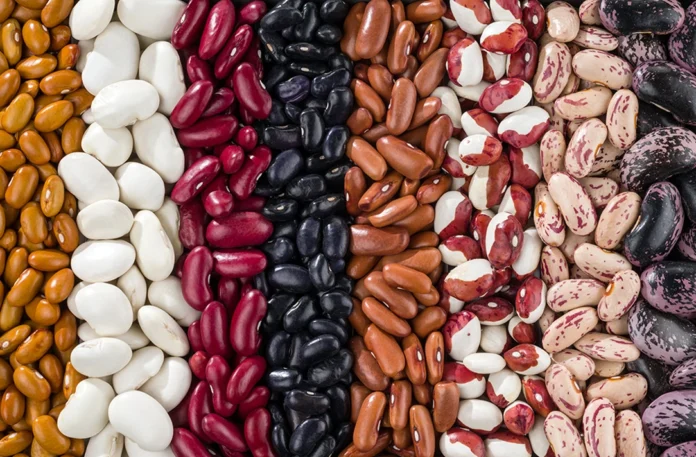
Olam Agri is betting that its scale in sourcing, processing and distribution can help it compete more aggressively. The company already relies heavily on locally sourced inputs for its feed operations, including maize, soybeans, rice bran, groundnut cake and other agricultural products.
The expansion also comes as Nigeria seeks to improve livestock productivity and reduce constraints affecting the supply of animal protein. Better access to nutritionally balanced feed could help farmers improve animal growth, milk production and overall herd performance, particularly as commercial livestock farming becomes more important.
In Kaduna and other livestock-producing regions, the development is being closely watched by farmers and distributors who face the daily challenge of balancing production costs with increasingly competitive consumer markets. For many smaller operators, affordable feed can make the difference between expanding a farm and reducing production.
Olam Agri’s strategy is likely to focus on high-volume production and competitive pricing rather than premium pricing for limited quantities. Its existing network in poultry feed provides a foundation for reaching new customers in the cattle sector, although building relationships with livestock farmers and specialised distributors will remain crucial.
The outlook for the industry suggests further opportunities. Nigeria’s growing urban population is expected to sustain demand for poultry, meat, fish and dairy products, while commercial farms are increasingly adopting compound feeds designed to improve productivity and feed efficiency.
If current market forecasts hold, demand for animal feed could add more than 3 million tonnes to Nigeria’s market by 2035. Poultry is expected to remain the largest segment, while aquaculture and cattle nutrition could offer important areas for expansion as producers seek more reliable and standardised feed supplies.
For Olam Agri, the next phase will depend on whether it can translate its processing capacity and local supply chain into a stronger presence across Nigeria’s diverse livestock economy. The company’s growing investment in feed and protein businesses signals a longer-term bet that animal nutrition will become an increasingly important part of the country’s agricultural transformation.