Arabfields, Said Ali, Specialist in Agricultural Policy and Economic Innovations in Asia — Pakistan has taken a significant step in securing its edible oil and animal feed supplies by authorizing the import of genetically engineered canola and soybeans for the 2025-26 marketing year. This decision, driven by persistent gaps in domestic oilseed production, reflects a pragmatic response to the country’s crushing industry’s needs amid limited local output. The National Biosafety Committee approved GE canola for food, feed, and processing, while the Environmental Protection Agency renewed licenses for GE soybeans, signaling a continuation of policies that prioritize supply stability over restrictions on biotechnology.
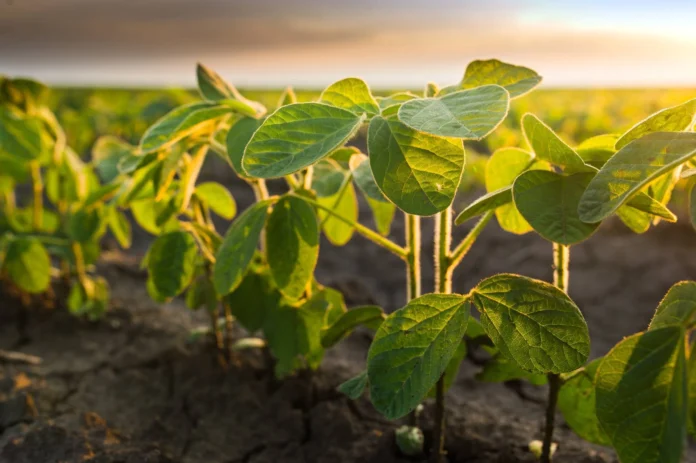
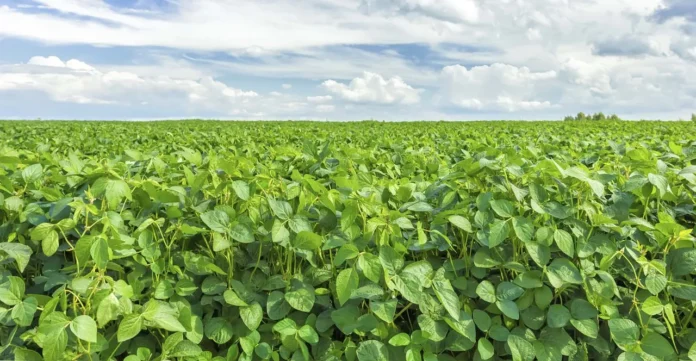
Domestic production remains insufficient to meet demand, with soybean harvests projected at a mere 1,000 tonnes despite government incentives for cultivation, and rapeseed, commonly known as canola, output expected to reach 565,000 tonnes, marking a modest 10 percent increase from the previous year. These figures underscore Pakistan’s heavy reliance on imports, as crushing facilities operate far below capacity without external supplies. Soybean imports are forecasted to rebound sharply to 2.4 million tonnes, up from 1.97 million the prior year, primarily sourced from Brazil, the United States, and Ukraine. Rapeseed imports are anticipated to climb nearly 8 percent to 650,000 tonnes, supporting a 10 percent rise in meal production to 673,000 tonnes and a more substantial 31 percent increase in soybean meal output to 1.85 million tonnes.
This authorization is expected to restore balance in the poultry sector, which faced disruptions from earlier meal shortages that halted operations at some mills. Stable imports will bolster feed availability, aiding recovery in livestock and dairy industries while enhancing overall food security. Notably, the approval of GE canola imports could reshape trade patterns, allowing Canada to reclaim market share lost to Australia, which dominated 99 percent of supplies in recent years due to prior limitations on genetically modified varieties.
Looking ahead, these projections suggest a trajectory of growing import dependence through the coming years, as large-scale domestic soybean expansion has failed to materialize and rapeseed gains remain incremental. If global supplies remain robust and regulatory approvals continue, Pakistan’s crushing sector could see sustained growth in meal and oil production, potentially exceeding current forecasts by 10 to 20 percent in subsequent seasons, provided poultry demand rebounds fully. This could translate to stronger economic contributions from agriculture, with reduced vulnerability to domestic shortfalls.
A key supplier in this equation is Canada, the world’s leading exporter of canola, where nearly all production involves herbicide-tolerant genetically engineered varieties. These traits have revolutionized farming practices since their introduction in the mid-1990s, enabling precise weed control that reduces overall herbicide applications and tillage passes. Studies indicate that herbicide-tolerant canola has led to an annual reduction of nearly 1.3 million kilograms of active herbicide ingredients across Western Canada, alongside improved soil conservation through widespread adoption of no-till methods. Farmers report enhanced moisture retention and lower erosion, contributing to environmental benefits equivalent to removing hundreds of thousands of vehicles from roads in terms of carbon savings.
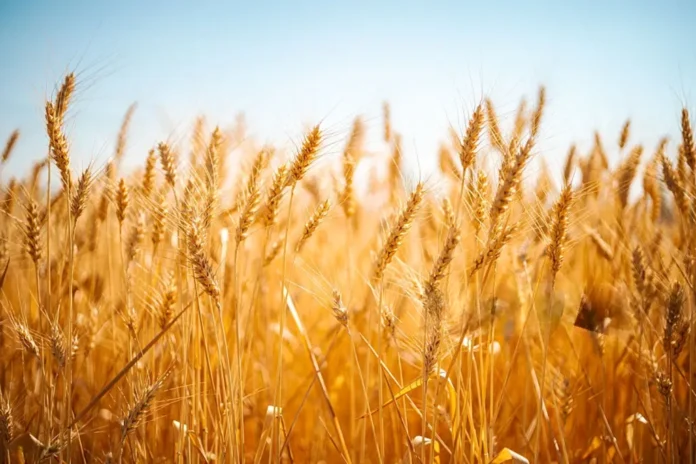
In contrast, large-scale wheat production in Canada relies on conventional practices, with glyphosate frequently applied as a pre-harvest desiccant to ensure uniform drying in variable weather conditions common to the Prairies. This application helps manage uneven ripening but results in detectable residues in grain products, often higher than in crops where the herbicide is used solely for weed control. Similarly, lentil farming on vast Prairie fields faces intense weed pressure due to the crop’s poor competitiveness, prompting integrated strategies that include pre-seed burnoffs, residual herbicides, and careful in-crop applications. Lentils require early and aggressive weed management to avoid yield losses of up to 40 percent, with growers layering multiple modes of action to combat resistance while adhering to strict guidelines on pre-harvest glyphosate to meet export standards.
As Pakistan increases its intake of Canadian GE canola, the associated farming efficiencies, including lower pesticide loads compared to non-tolerant systems, may indirectly support more sustainable supply chains. Future imports could rise further if Pakistan’s domestic challenges persist, fostering deeper trade ties and potentially influencing regional discussions on biotechnology adoption. This evolving landscape highlights the interplay between agricultural innovation, trade dynamics, and resource management in addressing global food needs.