Arabfields, Lamia Cherifa, Special Economic Correspondent, Moscow, Russia — In a significant development underscoring Russia’s ongoing pivot toward Asia, the governments of Russia and Indonesia formalized a Memorandum of Understanding on cooperation in shipbuilding in early December 2025, signed by Russian Minister of Industry and Trade Anton Alikhanov and his Indonesian counterpart Agus Gumiwang Kartasasmita. This agreement establishes a crucial regulatory framework for deeper collaboration in the maritime sector, while discussions during the signing highlighted mutual interests in expanding ties across agriculture and the chemical industry, particularly through increased supplies of Russian mineral fertilizers to support Indonesian farmers. The move comes amid a backdrop of robust bilateral trade growth, with turnover having surged 80 percent over the past five years to reach $4.3 billion in 2024, followed by an 18 percent rise to $3.6 billion in the first ten months of 2025, suggesting a full-year figure approaching $4.32 billion.
This shipbuilding MoU represents more than a bilateral accord, it signals a broader strategic alignment between Moscow and Jakarta at a time when Indonesia has solidified its position as a full BRICS member and advances toward completing a Free Trade Agreement with the Eurasian Economic Union, an arrangement poised to eliminate duties on 93 percent of traded goods. Industrial products already constitute about 40 percent of current trade volumes, and the new framework opens pathways for Russian expertise in specialized vessels, such as hovercraft, hydrofoils, fishing boats, passenger ships, and auxiliary craft, to complement Indonesia’s vast archipelagic needs and ambitions to become a global maritime hub. Earlier consultations in November 2025 had already identified six priority areas for maritime cooperation, including technology transfer, sustainable marine resource management, and human resource development, laying the groundwork for potential joint working groups and even a regional shipbuilding cluster that could serve the entire ASEAN market.
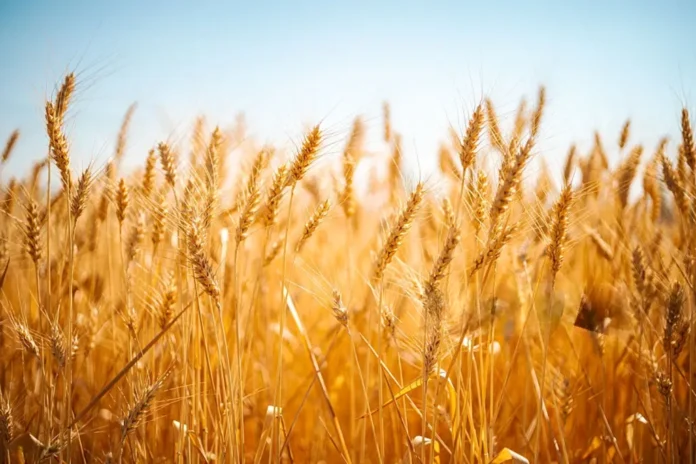
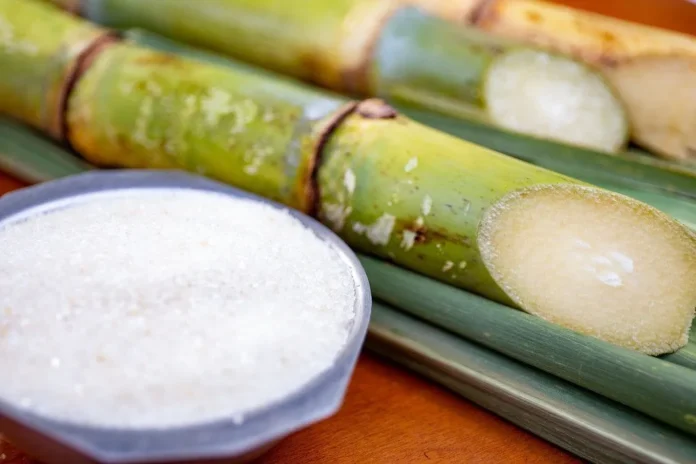
On the agricultural front, the emphasis on fertilizer supplies addresses a core requirement for Indonesia, where food security remains vital amid a growing population projected to reach 312 million by 2040. Russia, as one of the world’s leading exporters of mineral fertilizers and wheat, is well-positioned to bolster Indonesian agricultural productivity, especially as Jakarta expands cultivation in rice, cocoa, coconut, and sugarcane. Recent high-level engagements, including meetings between Presidents Vladimir Putin and Prabowo Subianto, have accelerated talks on complementary initiatives, such as potential joint fertilizer production facilities, increased Indonesian palm oil exports to Russia, and greater access for Russian grain and livestock products in Southeast Asian markets. These discussions build on a 41 percent jump in bilateral agricultural trade to $1.5 billion in 2024, driven largely by wheat exports.
Looking ahead, the foundations laid in 2025 point toward an accelerated expansion of Russia-Indonesia economic ties through the coming decade. With the Eurasian Economic Union-Indonesia FTA likely finalized by late 2025 or early 2026, trade volumes could realistically double or triple by 2030, surpassing $10 billion annually as barriers fall and logistics improve, including dedicated Russian investments in Indonesian port infrastructure and palm oil terminals in Russia. In shipbuilding, initial regulatory cooperation is expected to evolve into concrete joint ventures by 2027-2028, potentially establishing shared production facilities for specialized vessels tailored to archipelagic and regional demands, thereby enhancing Indonesia’s naval and commercial fleets while providing Russia with a strategic foothold in Southeast Asia’s maritime economy. Long-term projections suggest that such clusters could capture significant shares of the ASEAN shipbuilding market by 2035, fostering technology transfer and job creation on both sides.
Agriculturally, sustained increases in Russian fertilizer and grain supplies, combined with joint investments in production plants, are forecasted to contribute meaningfully to Indonesia’s food self-sufficiency goals, supporting higher yields and helping mitigate global price volatility. As Indonesia’s population and middle class continue to expand, demand for imported inputs will rise, positioning Russia as a reliable partner outside traditional Western supply chains. Broader industrial collaboration, including in energy, digitalization, and heavy engineering, reinforced by platforms like the joint investment fund launched earlier in 2025 with initial capital of 2 billion euros, will likely drive mutual investments upward, with Russian inflows into Indonesian special economic zones potentially reaching hundreds of millions annually by the end of the decade.
This deepening partnership reflects Russia’s determined shift eastward amid global realignments, offering Indonesia diversified options in technology, resources, and security cooperation while advancing mutual interests in a multipolar world. By 2030, these ties could transform bilateral relations into a cornerstone of Eurasian-Southeast Asian connectivity, yielding economic resilience, enhanced maritime capabilities, and strengthened food security for both nations in an increasingly interconnected Indo-Pacific region.