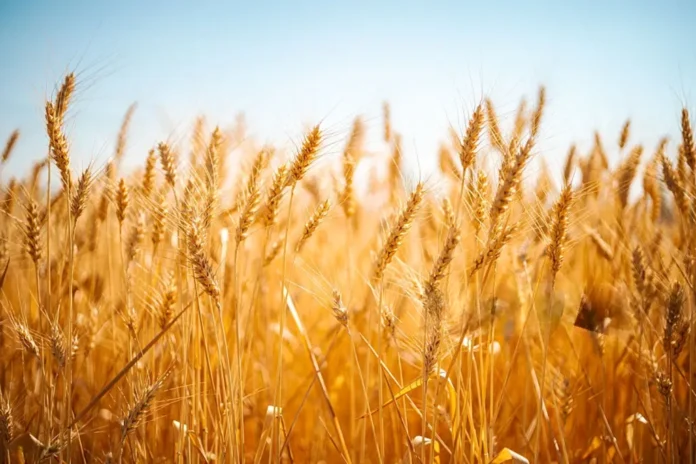
Rostov, Russia — The southern Rostov region, one of Russia’s key grain-producing areas, has declared a federal-level agricultural emergency after suffering extensive crop losses caused by severe spring frosts and the region’s worst summer drought in years.
The declaration, announced over the weekend, underscores growing concerns about Russia’s agricultural output and the resilience of its breadbasket regions amid increasingly erratic weather patterns. Rostov, which normally produces around 10% of the country’s wheat, is now facing a harvest shortfall that could reverberate through both domestic and export markets.
Governor Yury Slyusar confirmed the emergency status in a statement on Telegram, noting that he had held detailed discussions with President Vladimir Putin and Agriculture Minister Oksana Lut about the situation.
“The decision to declare a federal-level emergency will enable us to expand the limits of preferential loans and provide critical relief to affected farmers,” Slyusar wrote. He added that extending nearly 300 existing agricultural loans would be a key focus in the coming weeks.
Under the emergency designation, farmers can apply for federal financial aid, insurance compensation, and low-interest credit to help offset losses and prepare for the next planting season.
According to government estimates, around one million hectares (approximately 2.5 million acres) of farmland in the Rostov region have been damaged or destroyed this year. Federal authorities have valued the losses at roughly 4 billion rubles (around $48 million).
A frost-related emergency was initially declared in parts of Rostov as early as May, followed by a drought emergency in June. The compounded effects have left many local farmers struggling to salvage what remains of their crops.
“The fields that survived the frost were then hit by weeks of heat and no rainfall,” one farmer from the Aksay district told local media. “We haven’t seen conditions this harsh in at least ten years.”
Officials now expect Rostov’s overall grain harvest to fall by as much as 20% compared with last year, marking its smallest yield in a decade. The decline is likely to shift the regional balance of production, with the neighboring Stavropol region poised to overtake Rostov as Russia’s leading wheat producer for the first time since 2015, according to data cited by agricultural consultancy Sovecon and Reuters.
Such a drop in production could affect not only regional farmers but also Russia’s grain export volumes. Moscow has in recent years consolidated its position as one of the world’s largest wheat exporters, with output from southern regions like Rostov playing a critical role in maintaining that dominance.
While Russian officials have largely attributed the crisis to natural climatic variability, experts warn that the pattern mirrors broader global trends linked to climate change.
Climate scientists say the frequency and intensity of droughts are increasing worldwide due to the continued burning of fossil fuels and other human activities that release greenhouse gases. These changes are disrupting rainfall patterns, shortening growing seasons, and amplifying temperature extremes across agricultural regions.
“The Rostov drought is part of a much larger picture,” said Dr. Natalia Kireyeva, a climate analyst at Moscow State University. “Southern Russia, like many grain-producing areas around the world, is facing more frequent weather shocks that threaten food security and economic stability.”
The Russian Agriculture Ministry has pledged to monitor the situation closely and provide additional support to affected farmers. Regional authorities are also considering measures to enhance drought resilience, including investments in irrigation systems and crop insurance programs.
For now, however, the priority remains helping farmers recover from one of the toughest growing seasons in recent memory. “We will do everything possible to preserve our agricultural potential and support our rural communities,” Governor Slyusar said.