Arabfields, Sana Dib, Financial Correspondent, Johannesburg, South Africa — The South African fruit export sector has once again demonstrated remarkable resilience in the wake of significant weather-related challenges, with industry participants confirming their ability to fulfill international obligations even after severe hailstorms disrupted key production areas. Recent storms that swept through two prominent growing districts, Ceres and the Langkloof, have inflicted notable damage on apple and pear orchards, yet preliminary assessments indicate that overall export volumes will remain sufficiently robust to satisfy committed buyers across global markets. This capacity to maintain commitments underscores the sector’s operational strengths and adaptive strategies, which have allowed producers to navigate environmental setbacks without compromising the reliability that international trading partners have come to expect from South African suppliers.
In the case of apples, the anticipated export harvest is projected to exceed 49 million cartons, representing a modest increase compared to the previous season’s output. This outcome persists despite the extensive hail damage sustained in the affected regions, where orchards experienced varying degrees of crop loss. The ability to achieve this slight uptick highlights the effectiveness of pre-season planning and the inherent productivity of the remaining unaffected areas, which have compensated for localized reductions. Exporters have expressed confidence that these figures will translate into uninterrupted deliveries, thereby preserving established supply chains and supporting consistent availability for consumers in key destination markets throughout the Northern Hemisphere’s off-season period.
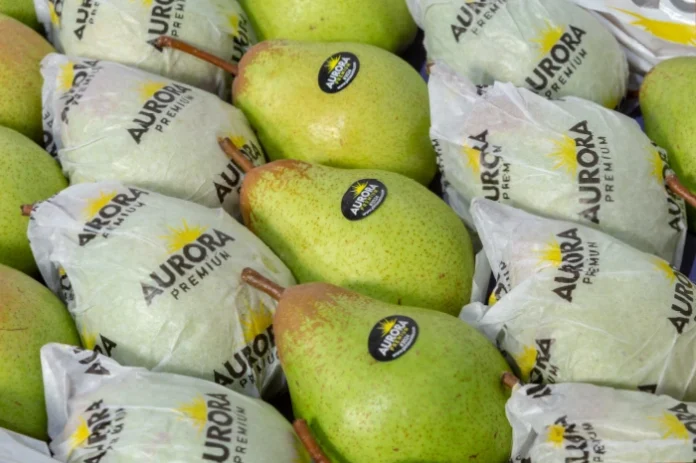
Pears, by contrast, are expected to register a more pronounced decline, with the total harvest forecasted at approximately 20.5 million cartons, an 11 percent reduction from earlier projections and roughly 2.4 million cartons below initial estimates. This downturn affects all pear categories uniformly, reflecting the widespread impact of the hail events that struck during a critical development phase for the fruit. Nevertheless, industry representatives have affirmed that existing commitments will be honored through careful allocation of available volumes and potential adjustments in grading and packing protocols. Such measures ensure that core markets receive their contracted supplies, albeit with tighter margins in certain premium segments where quality specifications remain stringent.
Particular attention has been drawn to the Flash Gala variety, marketed under the Bigbucks brand, which is anticipated to see a 9 percent decrease in packed volumes this season. This specific reduction stems from concentrated damage in orchards dedicated to this popular cultivar, yet it does not appear to threaten overall program integrity. The differential effects observed between regions further illustrate the localized nature of the challenges, with the Langkloof area sustaining heavier losses for both apples and pears than Ceres. Exporters have noted that certain operations may experience relatively greater volume shortfalls than others, depending on their geographic exposure, but collective industry coordination is expected to mitigate any disparities and maintain equitable distribution to receivers worldwide.
Shifting focus to the table grape category, the national crop estimate for the forthcoming 2025-2026 season stands firm at 79.4 million cartons of 4.5 kilograms each, with no revisions deemed necessary at this stage despite emerging reports of rainfall in the late-producing Hex River Valley. The industry body overseeing table grapes has emphasized that three of the five primary production regions have already concluded harvesting in alignment with regional targets, signaling a season that is unfolding according to plan. Warm temperatures experienced early in the cycle have accelerated maturation for several cultivars, resulting in harvests occurring between 10 and 14 days ahead of historical norms. Consequently, the entire table grape campaign is projected to wrap up earlier than in the preceding year, potentially enabling exporters to capitalize on extended marketing windows and optimize logistics for timely arrivals in distant markets.
These developments collectively paint a picture of a sector that, while confronted by climatic variability, continues to prioritize contractual reliability as a cornerstone of its international reputation. The maintenance of export commitments amid such conditions not only safeguards immediate revenue streams for growers and packers but also reinforces long-term relationships with importers who value predictability in sourcing. Looking ahead, the data emerging from this season’s events provide a foundation for several informed projections regarding the industry’s trajectory over the next three to five years.
Based on the observed ability to deliver slightly higher apple volumes despite documented storm damage, it is reasonable to anticipate a gradual expansion in South Africa’s share of the global apple market, particularly in premium and off-season niches where consistency commands a premium. Should similar weather patterns recur, the sector’s proven capacity for rapid damage assessment and volume reallocation suggests that future export programs will incorporate enhanced contingency buffers, leading to more stable year-on-year supply levels. This resilience could translate into sustained or modestly growing export revenues, assuming stable currency conditions and continued demand from established trading partners in Europe and beyond.
For pears, the 11 percent harvest contraction observed this season, combined with the commitment to fulfill all contracts, points toward a future scenario of disciplined supply management that may support firmer pricing structures in international auctions. Over the medium term, as orchards in less-affected zones reach full maturity and new plantings come online, the industry is positioned to recover lost ground, potentially restoring volumes to pre-storm forecasts within two to three seasons. Such a recovery would be underpinned by the same adaptive mechanisms that have preserved current commitments, thereby minimizing market volatility and ensuring that pear supplies remain a dependable component of diversified fruit portfolios for retailers globally.
In the table grape domain, the unchanged national estimate and accelerated harvest timeline furnish grounds for optimism concerning expanded market penetration in early-season windows. With the season concluding ahead of schedule, exporters may secure advantageous positioning against competing origins, fostering stronger buyer loyalty and opening avenues for value-added promotions timed to coincide with peak consumer demand periods. Projections indicate that, barring unforeseen climatic shifts, annual export growth in this category could average between 2 and 4 percent over the next five years, driven by the demonstrated reliability of regional outputs and the industry’s proactive monitoring of weather influences.
Broader economic implications arising from these patterns merit consideration as well. The South African fruit export industry, by upholding its promises in the face of adversity, contributes substantially to rural employment and foreign exchange earnings, effects that are likely to endure and potentially amplify as production stabilizes. Future investments in protective infrastructure, informed by the lessons of recent hail events, could further insulate orchards from similar disruptions, leading to a more predictable output profile that benefits both producers and downstream participants in the supply chain.
Moreover, the earlier maturation trends noted in table grapes, attributable to prevailing warm conditions, may signal a broader shift in phenological patterns that could reshape harvesting calendars across multiple fruit types. In response, logistical networks are expected to evolve, with enhanced cold-chain capacities and optimized shipping schedules ensuring that earlier arrivals do not compromise fruit quality upon delivery. This adaptation would position South African exporters advantageously in competitive global marketplaces, where timely and high-quality produce increasingly differentiates successful suppliers.
Looking further into the horizon, the sector’s track record of meeting commitments despite volume pressures suggests a trajectory of sustained leadership in Southern Hemisphere fruit exports. With apples poised for modest growth and pears demonstrating recovery potential, combined with the steadfast outlook for table grapes, the industry appears well-equipped to navigate future climatic uncertainties. Stakeholders can therefore anticipate continued reliability in supply, which in turn supports stable pricing dynamics and fosters confidence among international buyers seeking dependable sources of fresh produce.
In summary, the recent storms have tested the mettle of South African fruit exporters, yet the data clearly affirm their capacity to deliver on promises while laying the groundwork for optimistic projections. Through careful management and strategic foresight, the sector is set to maintain its vital role in global fresh fruit trade, delivering benefits that extend from orchard to consumer across continents. This enduring commitment not only addresses immediate market needs but also paves the way for long-term prosperity grounded in resilience and reliability.