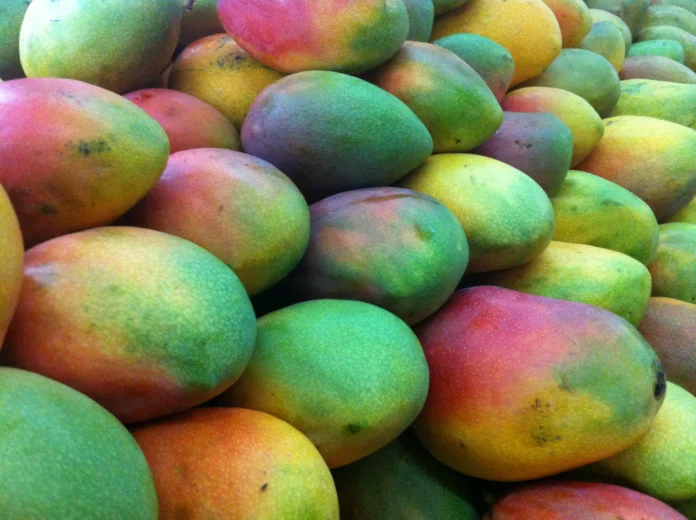
Arabfields, ilhem Saàdoun, Correspondent, Busan, South Korea — South Korea has announced the reopening of tariff exemptions for imported bananas, pineapples, and mangoes, allowing these fruits to enter the country duty-free from February 12 to June 30. This temporary measure, designed to ease pressure on consumer prices and ensure steady supply during a key part of the year, will remove the usual import duties that have been applied outside such exemption windows, making these tropical fruits more affordable for households across the nation in the months ahead.
The decision reflects a pragmatic approach by the government to manage seasonal demand and price fluctuations in a market heavily reliant on imports for tropical produce. Bananas, pineapples, and mangoes are not grown domestically in significant quantities due to Korea’s temperate climate, so nearly all supply comes from abroad, primarily from countries in Southeast Asia and Latin America. By suspending tariffs for this roughly four-and-a-half-month period, authorities are effectively lowering the cost base for importers and retailers, a reduction that is expected to translate directly into lower shelf prices for consumers.
In the immediate term, the exemption will likely lead to a noticeable drop in retail prices starting in mid-February. Past similar measures have shown that when tariffs are lifted, prices for these fruits can fall by meaningful margins, often making them more accessible to a wider range of income groups. Families that typically limit purchases of fresh produce because of cost concerns will find it easier to include these nutritious items in their regular shopping, potentially encouraging higher overall fruit consumption during spring and early summer.
The timing of the exemption, beginning just before the warmer months and running through the end of June, aligns with rising seasonal demand. As temperatures increase, Korean consumers traditionally turn to refreshing, hydrating fruits, incorporating them into everyday meals, desserts, and snacks. Bananas remain a year-round staple, valued for convenience and affordability, while pineapples and mangoes gain particular popularity in warmer weather for their bright flavors and versatility in both sweet and savory dishes. With duties removed, retailers are likely to see stronger sales volumes, and importers will have greater incentive to bring in larger shipments to capitalize on the window.
Looking further ahead within the exemption period, the increased availability and lower prices are expected to sustain elevated import levels through June. Suppliers in major exporting nations will adjust their shipping schedules to maximize deliveries while the duty-free status remains in effect, creating a temporary surge in supply that should keep markets well-stocked. This abundance will help prevent the short-term price spikes that sometimes occur when demand outpaces supply, providing a stabilizing effect on the fresh-produce sector during a season when consumption naturally rises.
When the exemption ends on June 30, tariffs will resume, and prices are projected to gradually return to their previous levels as the cost of duties is factored back into import pricing. However, the effects of the four-and-a-half-month window may linger for a short time afterward, as retailers work through existing inventory purchased under more favorable conditions. Consumers who become accustomed to lower prices and higher consumption during the exemption period might continue seeking out these fruits even after the price adjustment, potentially supporting sustained demand into the second half of the year.
On a broader scale, this measure underscores the government’s ongoing efforts to address food-price affordability through targeted trade-policy adjustments. By selectively reopening tariff exemptions for specific commodities during defined periods, authorities can respond flexibly to market conditions without committing to permanent changes. If the current exemption proves effective in keeping prices stable and boosting consumption, similar temporary relief could be considered in future years, especially if global supply chains face disruptions or domestic inflation pressures persist.
The policy also highlights South Korea’s dependence on international markets for certain essential foods and the value of maintaining smooth trade relationships with key suppliers. Steady, predictable access to tariff relief during designated windows encourages exporting countries to prioritize the Korean market, strengthening bilateral ties in agricultural trade. Over the longer term, as climate patterns and global production shifts influence crop yields abroad, such flexible mechanisms may become an increasingly important tool for ensuring consistent availability of imported fruits at reasonable prices.
For consumers, the coming months represent a clear opportunity to enjoy these tropical fruits at reduced cost. Households can incorporate more bananas into breakfast routines, use pineapples in cooking and juicing, and treat themselves to mangoes as a seasonal delight, all while benefiting from the temporary savings. The combination of lower prices and greater availability is likely to make fresh produce feel more attainable, supporting healthier eating habits across different demographics.
In summary, the reopening of tariff exemptions from February 12 to June 30 will deliver tangible benefits in the form of lower prices, higher supply, and increased accessibility for bananas, pineapples, and mangoes. This targeted intervention will ease budgetary pressures for shoppers, stimulate demand during a high-consumption season, and demonstrate an effective, time-limited approach to managing import costs. As the exemption period progresses, its impact will become increasingly visible in markets and kitchens throughout South Korea, offering a welcome respite in the ongoing effort to keep essential foods affordable.