


Arabfields, Leonor Fernández de Córdoba, Correspondent, Spain — In the evolving landscape of Europe’s fresh produce trade, Spain has recorded a notable expansion in its fruit and vegetable imports during 2025, reflecting sustained consumer demand and strategic reliance on international sources to complement domestic output. The overall import volume for these essential categories advanced by three percent year on year, attaining a total of 4.7 million tonnes, while the associated value experienced an eight percent increase to reach 5.48 billion euros. This balanced yet robust performance aligns closely with patterns established in recent periods, indicating a mature and predictable trajectory for Spain’s engagement in global fresh produce markets.
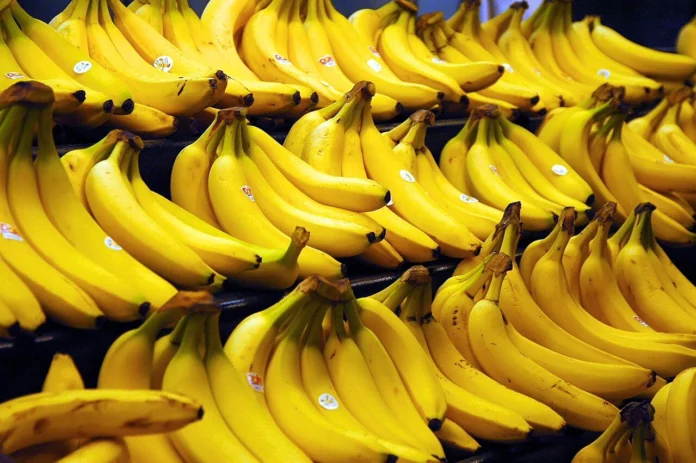
Focusing specifically on the fruit segment, which represented a significant portion of the total activity, imports demonstrated particularly strong momentum. Volume in this category rose by five percent to 2.4 million tonnes, and the corresponding value surged by eleven point five percent to arrive at 3.85 billion euros. Such figures underscore the growing importance of imported fruits in meeting the varied preferences of Spanish consumers, who increasingly seek year-round availability of both familiar and exotic varieties. Within this dynamic environment, bananas emerged as the clear leader among imported fruits, maintaining a volume of 430,560 tonnes identical to that of the previous year. Despite the stability in quantity, the value associated with banana imports grew by three percent to 297 million euros, highlighting efficient supply chain management and consistent market pricing that continue to position this staple as a cornerstone of the import profile.
Following closely behind bananas in terms of prominence were avocados, which exhibited one of the most impressive performances across the board. The volume of avocado imports climbed by seventeen percent to reach 307,911 tonnes, a substantial gain that reflects heightened consumer interest in this nutrient-dense fruit. Remarkably, the value remained stable at 634 million euros, suggesting that economies of scale or favorable sourcing conditions may have offset any potential price fluctuations, thereby allowing for greater accessibility without compromising revenue generation for importers. This surge not only reinforces avocados’ rising status in the Spanish market but also illustrates how specific categories can drive overall sector growth through accelerated demand.
Pineapples occupied the third position in the fruit import hierarchy, with volumes advancing by three percent to 192,597 tonnes and value increasing by fifteen percent to 191 million euros. This dual improvement points to enhanced appeal among consumers seeking tropical flavors, supported by reliable supply lines that have enabled steady expansion. In a slightly contrasting development, apple imports registered a modest two percent decline in volume to 188,995 tonnes, yet the value still managed a six percent rise to 205 million euros. The ability of apple imports to generate higher returns despite reduced quantities may stem from shifts toward premium varieties or improved quality standards, demonstrating resilience within this category even amid minor volume adjustments.
Turning attention to the vegetable imports, which closely mirrored the fruit volumes in scale, the segment achieved a more measured growth of zero point five percent in volume to 2.3 million tonnes, with value similarly advancing by zero point five percent to 1.63 billion euros. This tempered expansion contrasts with the more vigorous fruit trends yet remains consistent with the overall positive direction observed across the combined categories. Potatoes continued to lead the vegetable imports, although their volumes experienced a slight one percent reduction, accompanied by a sharper eighteen percent drop in value to 462 million euros. Such a development may indicate adjustments in sourcing strategies or competitive pressures from alternative suppliers, yet potatoes retain their foundational role in the import mix due to their versatility and widespread consumption.
Tomatoes, another key vegetable import, saw volumes decrease by eleven percent to 304,989 tonnes, but this was counterbalanced by a robust thirty percent increase in value. The divergence between volume and value in this instance highlights potential focus on higher-quality or specialty tomatoes that command premium prices, thereby sustaining economic contributions despite lower quantities. Collectively, these vegetable trends contribute to a diversified import portfolio that supports Spain’s food security and market variety, ensuring that both everyday staples and more specialized items remain readily available.
The implications of these import patterns extend beyond mere statistics, offering insights into broader market dynamics within Spain. The five percent volume growth in fruits, for example, signals an ongoing consumer shift toward greater dietary diversity, where imported products fill gaps in seasonal availability and introduce options that enhance nutritional profiles. Bananas, with their stable presence, exemplify reliability in supply, appealing to households and food service operators alike for their convenience and affordability. Meanwhile, the seventeen percent rise in avocado volumes points to evolving health and wellness trends, as this fruit aligns with contemporary preferences for versatile, plant-based ingredients rich in beneficial fats and vitamins. The sustained value growth across most categories, often outpacing volume increases, further suggests that importers are navigating inflationary pressures effectively, perhaps through optimized logistics or selective sourcing of superior produce.
Economically, the eleven point five percent value escalation in fruit imports represents a meaningful boost to the sector, injecting additional revenue streams that support employment in distribution, retail, and related industries. With total fruit and vegetable imports now valued at 5.48 billion euros, this activity underscores Spain’s position as an active participant in international trade, balancing its own substantial export capabilities with strategic imports to maintain a comprehensive supply. The modest yet steady vegetable growth, at zero point five percent, provides a stabilizing counterpoint, ensuring that core dietary components remain accessible without dramatic fluctuations that could affect consumer prices or availability.
Looking ahead, the data from 2025 provides a solid foundation for projecting future developments in Spain’s fresh produce imports. Given the consistent three percent overall volume growth observed alongside the five percent fruit-specific increase, and considering the alignment with prior years’ rates, it is reasonable to anticipate continued expansion at a similar pace. Should annual fruit import volumes sustain an average five percent growth trajectory, projections indicate that the 2.4 million tonnes recorded in 2025 could rise to approximately 2.52 million tonnes by the close of 2026, building further to around 2.65 million tonnes in 2027 and potentially exceeding 3 million tonnes by 2030. This forward momentum would likely translate into value figures surpassing 4.5 billion euros for fruits alone within five years, driven by compounding effects of volume gains and modest price appreciations.
Avocados, in particular, stand out as a category poised for accelerated future growth based on the seventeen percent volume surge witnessed in 2025. If even a moderated rate of ten to twelve percent annual increase persists, reflecting sustained consumer enthusiasm and improved global production efficiencies, avocado imports could approach 370,000 tonnes in 2026 and climb toward 500,000 tonnes or more by 2030. Such expansion might eventually challenge bananas not only in volume but also in overall market influence, especially given avocados’ already higher per-tonne value contribution. Bananas, maintaining their leadership through stability, are expected to hold volumes in the vicinity of 430,000 to 450,000 tonnes over the coming years, with values potentially reaching 320 million euros by 2027 if the three percent annual value growth continues uninterrupted. This steady performance would reinforce their role as a dependable anchor, while allowing room for other fruits to innovate and capture additional market share.
Pineapples and apples offer additional avenues for projection, with the former’s three percent volume and fifteen percent value gains suggesting potential for cumulative increases that could see volumes near 220,000 tonnes and values approaching 250 million euros by 2028. Apples, despite the recent two percent volume dip, may stabilize or rebound modestly, leading to projections of 190,000 to 200,000 tonnes annually in the near term, supported by value growth that could elevate returns to over 230 million euros within a few years. Collectively, these fruit projections paint a picture of a sector expanding at four to five percent per annum in volume and eight to eleven percent in value, culminating in total fruit imports potentially exceeding 3.2 million tonnes and 5 billion euros by the early 2030s.
On the vegetable side, the zero point five percent growth rates imply a more gradual evolution, with total volumes possibly reaching 2.4 million tonnes by 2027 and values climbing toward 1.7 billion euros. Potatoes, following their recent adjustments, could see volumes stabilize around current levels with value recovery projected at five to ten percent annually if sourcing efficiencies improve, potentially restoring figures closer to 500 million euros within three years. Tomatoes, benefiting from the thirty percent value surge despite volume contraction, may experience selective volume rebounds of two to four percent per year, driving values substantially higher and positioning this category as a high-margin contributor in the years ahead.
These forward-looking estimates, grounded directly in the observed 2025 data and its alignment with historical consistency, highlight opportunities for enhanced market resilience. As import volumes and values continue to build, Spain’s fresh produce sector is likely to benefit from greater supply chain diversification, reduced vulnerability to domestic climatic variations, and expanded choices for consumers seeking both traditional and innovative options. Retailers and distributors may increasingly invest in infrastructure to handle projected growth, while international partners could expand cultivation to meet anticipated demand, particularly in high-growth areas such as avocados and pineapples. Overall, the trajectory established in 2025 positions Spain for a future where fruit and vegetable imports not only sustain but amplify their economic and dietary significance, fostering a vibrant, adaptive market that responds proactively to evolving global and local needs. This sustained import surge, led prominently by bananas yet propelled by dynamic performers like avocados, promises to shape the Spanish fresh produce industry for years to come, ensuring abundance, variety, and value in equal measure.










 # =============== Arabfields # ===============