The Staccato® Cherry Controversy: How One Misidentified Tree Sparked a Global Legal Battle
By Staff Correspondent
What began as a seemingly harmless mistake in a small Washington orchard has evolved into one of the most closely watched legal battles in modern horticulture. At the center of the storm is a single cherry tree, misidentified, mislabeled, and ultimately misappropriated, leading to years of litigation involving government agencies, private nurseries, fruit growers, and the international intellectual property system that governs agricultural innovation.
A Settlement .. But Not the End
In mid-September 2024, a Washington state court issued orders dismissing all claims and counterclaims among four of the principal parties in the dispute: Agriculture and Agri-Food Canada (AAFC), Summerland Varieties Corp. (SVC), Van Well Nursery, Inc., and Gordon and Sally Goodwin.
The settlements resolved major portions of the case—but not all. Claims between AAFC and Monson Fruit Company remain before the court, ensuring that the legal saga is far from over.
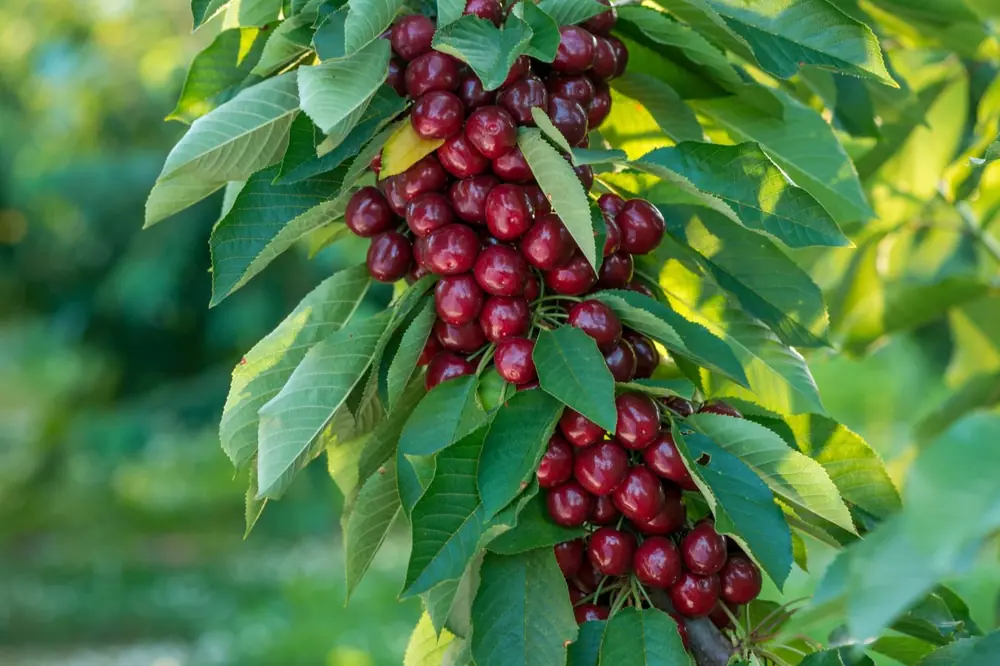
The origins of the case trace back to the development of the Staccato cherry by AAFC’s breeding program at the Summerland Research and Development Centre in British Columbia. Staccato® is a late-season variety valued for its firm texture, deep red color, and long shelf life—traits that make it a premium product in global cherry markets.
To test how the variety would perform in different climates, AAFC provided plant material to Van Well Nursery under a tightly controlled testing agreement. That agreement explicitly prohibited propagation or third-party distribution of the trees.
But somewhere along the line, something went wrong. Van Well unknowingly sold a Staccato® tree to the Goodwins, a retired couple with a small orchard in Washington, mistakenly labeling it as a different cherry variety known as Sonata.
Soon after planting the tree, the Goodwins noticed the fruit ripened weeks later than expected. Struck by its quality, they believed they had stumbled upon a new variety. They named it “Glory” and, in 2015, obtained a U.S. plant patent for the tree. That same year, they shared budwood with Monson Fruit Company, which began cultivating and marketing “Glory” cherries on a commercial scale.
Every Glory tree in existence, it turned out, descended from that single misidentified Staccato® tree.
DNA Testing Exposes the Truth
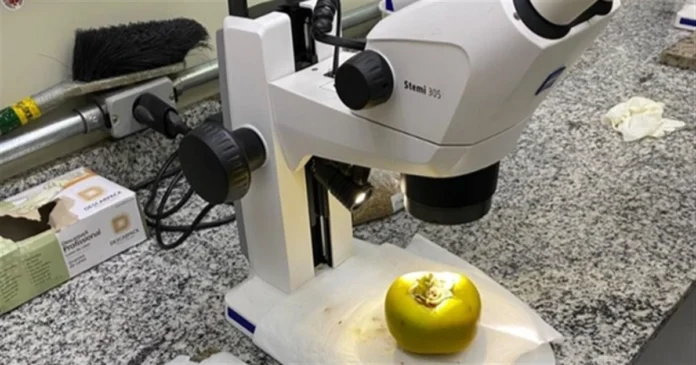
In 2020, years after “Glory” cherries entered the market, AAFC used DNA fingerprinting and phenotypic analysis to verify the tree’s identity. The results were conclusive: “Glory” and Staccato® were genetically identical.
AAFC responded swiftly, filing a lawsuit in the U.S. District Court for the Eastern District of Washington against Van Well Nursery, the Goodwins, and Monson Fruit. The complaint alleged infringement of AAFC’s plant patent rights, misappropriation of proprietary plant material, unfair competition, violations of the Lanham Act, and interference with economic relations.
AAFC argued that the unauthorized propagation and commercialization of Staccato® under the “Glory” name undermined its intellectual property rights and threatened the integrity of its global licensing program, which relies on strict controls to protect the variety’s value and reputation.
A Pivotal Ruling on Identity
To address the core question of whether “Glory” was actually Staccato®, the court bifurcated the case in 2024, holding a bench trial focused solely on varietal identity. In August 2024, the court issued a decisive ruling: “Glory” is Staccato®. The mother tree sold to the Goodwins was a Staccato® specimen obtained in violation of AAFC’s testing agreement.
This ruling set the stage for settlements with Van Well Nursery and the Goodwins. Both parties agreed to monetary payments, the transfer of the Glory plant patent to Canada, and the destruction of all “Glory” trees in their possession.
In a statement following the settlement, Gordon Goodwin publicly acknowledged the court’s findings:
“In view of the Court’s decision last year that Glory is Staccato, I accept this finding and, accordingly, have assigned the patent I obtained on the Glory plant to Canada. I apologize for any unintended confusion over the identity of the variety over the years and am happy that the dispute has been resolved once and for all.”
Industry Response and What’s Next
For the cherry industry, the settlements bring clarity to a high-stakes conflict over one of the most commercially valuable late-season varieties in the world. As the exclusive global master licensee for Staccato®, Summerland Varieties Corp. has long sought to protect its licensing framework and brand integrity.
SVC General Manager Sean Beirnes welcomed the resolution with Van Well and the Goodwins:
“While the litigation against Monson Fruit continues, I am gratified that Van Well Nursery and the Goodwins have resolved this matter to AAFC’s satisfaction and in a way that acknowledges AAFC’s rights to Staccato® trees and Staccato® cherries. This outcome reinforces the importance of respecting plant breeders’ rights and the legal frameworks that support agricultural innovation.”
However, the dispute with Monson Fruit remains unresolved. Monson continues to grow and market “Glory” cherries, making it the last defendant in the case. AAFC is seeking an injunction to halt further sales, monetary damages for past infringement, and the destruction of unauthorized Staccato® plantings marketed as Glory.
A Broader Lesson for Agriculture
The Staccato® case offers a cautionary tale for an industry increasingly shaped by intellectual property law. Modern plant breeding relies on strict controls over proprietary varieties, and a single error in labeling or distribution can unleash legal and commercial consequences across continents.
Legal experts suggest the case may influence future disputes involving plant variety protection, particularly as global demand for resilient, high-value crops grows amid climate change. It also underscores the critical importance of due diligence—from research institutions and nurseries to growers and exporters.
For now, the settlements among AAFC, SVC, Van Well, and the Goodwins represent a major milestone. But with Monson Fruit still fighting in court and “Glory” cherries still on the market, the final chapter of this botanical legal drama remains unwritten.