Arabfields, Leonor Fernández de Córdoba, Correspondent, Spain — The dried fruits and nuts sector in Europe has undergone a profound evolution in recent years, moving away from its traditional role as a seasonal treat primarily associated with holiday celebrations and toward a staple of everyday consumption that reflects broader shifts in consumer lifestyles and health priorities. Once confined largely to the winter months, when products like walnuts, dates, and dried apricots would appear in abundance during Christmas markets and festive gatherings, these items are now enjoyed consistently throughout the year, driven by a growing emphasis on healthy eating, mindful nutrition, and active living. This change has fundamentally reshaped demand patterns, creating a more stable and predictable market that challenges suppliers, wholesalers, and producers to adapt with greater agility and foresight.
At the heart of this transformation lies a heightened awareness among European consumers of the nutritional benefits offered by dried fruits and nuts. These products are rich in essential minerals, vitamins, fiber, and antioxidants, providing a convenient source of energy and health support without the need for refrigeration or elaborate preparation. As people increasingly seek out natural, low-processed foods that align with wellness goals, dried fruits and nuts have emerged as ideal snacks for busy professionals, athletes, families, and health-conscious individuals alike. The convenience factor cannot be overstated, with these items offering long shelf lives and portability that fit seamlessly into modern routines, whether tossed into breakfast cereals, blended into smoothies, or eaten straight from the package during a midday break. This year-round appeal has smoothed out the sharp peaks and troughs that once defined the industry, replacing sporadic holiday surges with a steady, ongoing demand that encourages innovation and sustained investment across the supply chain.
Wholesalers operating in this dynamic environment must navigate a complex landscape of global sourcing, quality assurance, and regulatory compliance to meet these evolving needs. Companies like Tovano, a longstanding Dutch specialist in dried fruits and nuts, exemplify the expertise required to thrive in such conditions. With decades of experience in importing and distributing thousands of tons of products annually, these firms constantly coordinate between diverse origins to ensure consistent availability, superior flavor profiles, and adherence to strict food safety standards. The business demands a deep understanding of regional variations in production, where factors like soil composition, climate, and harvesting techniques influence the final product’s characteristics. For instance, walnuts sourced from one region might feature harder shells better suited for in-shell sales, while those from another offer thinner shells and higher meat yield, ideal for processing into kernels. This intricate balancing act extends to managing risks associated with contaminants, residue limits, and environmental disruptions, all while responding to consumer preferences for premium, natural offerings.
The shift to year-round consumption has particularly impacted specific product categories, highlighting both opportunities and vulnerabilities in the market. Walnuts, one of the fastest-growing segments, illustrate this complexity through their global sourcing networks. Producers in California deliver robust varieties with durable shells that appeal to traditional buyers, whereas Chilean origins provide lighter-shelled options that yield more edible content, catering to the rising demand for convenient, ready-to-eat kernels. Emerging suppliers in Eastern Europe and Central Asia contribute niche volumes for specialized markets, adding diversity but also introducing variability in quality and safety profiles. Meanwhile, major producers like China, despite their vast output, often direct much of their harvest toward industrial processing due to inconsistencies that make them less suitable for direct consumer sales in discerning European markets. Similar patterns emerge with hazelnuts, where Turkey remains the dominant force, yet recent weather events such as spring frosts have dramatically reduced harvests, pushing prices upward and prompting buyers to explore alternatives, even as large-scale processors maintain steady volumes.
Dried apricots and figs further demonstrate how external shocks can ripple through the sector, yet the underlying year-round demand provides a buffer that encourages resilience. Severe frost damage in key growing areas has slashed apricot yields to fractions of normal levels, effectively doubling retail prices and forcing wholesalers to turn to substitute sources with different taste profiles and potential safety considerations. Figs, prized for their unique sweetness but prone to natural toxins under certain conditions, benefit from rigorous controls in primary producing countries, helping to sustain consumer confidence and steady intake. Dates, on the other hand, represent a brighter spot, with premium varieties from Israel setting the standard for quality and Tunisian options gaining traction through their balance of affordability, health attributes, and versatility. Innovative applications, such as date pastes combined with nuts or coconut to create targeted snacks for younger demographics and fitness enthusiasts, signal a forward-thinking approach that capitalizes on the ongoing preference for functional, natural foods.
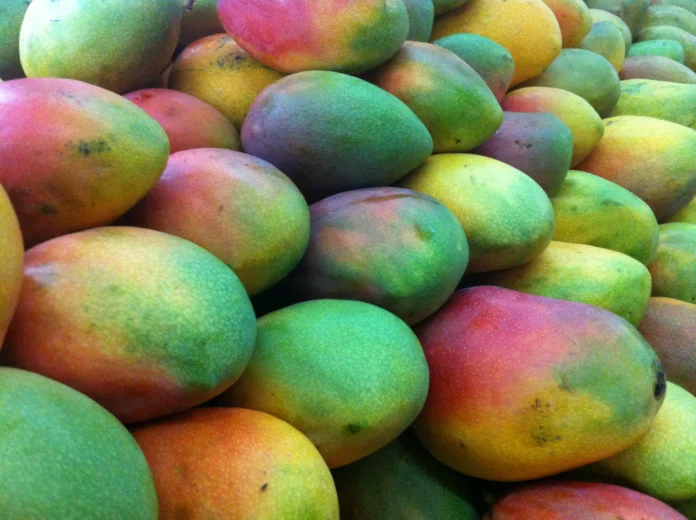
Beyond these core items, the market is witnessing rising interest in exotic and pure dried fruits from regions like South Africa, where mangoes, peaches, and bananas processed without additives are capturing attention for their vibrant flavors and clean profiles. Organic segments, though grown cautiously to maintain quality standards, show particular promise in categories like dates, reflecting broader consumer willingness to invest in products perceived as healthier and more sustainable. This structural growth in demand for natural, high-quality options underscores a key insight: European buyers are increasingly prepared to pay premiums for items that deliver authentic taste, nutritional value, and traceability, creating openings for the industry to differentiate itself amid competitive pressures.
Looking ahead, the trajectory for Europe’s dried fruits and nuts market appears robust, with projections indicating sustained expansion driven by the very trends that have fueled the year-round shift. Current valuations place the sector in the range of several billion dollars, and forecasts suggest steady compound annual growth rates around four to five percent through the coming decade, potentially pushing market sizes toward eight billion dollars or more by the early 2030s. This growth will likely be propelled by demographic factors, including an aging population seeking nutrient-dense foods to support long-term health and a younger cohort prioritizing convenient, plant-based options for active lifestyles. As disposable incomes rise and health consciousness deepens, consumption patterns should continue stabilizing, reducing the volatility once tied to seasonal spikes and enabling more efficient production planning across global supply networks.
Future developments may see even greater diversification in sourcing to mitigate risks from climate variability, with new regions stepping in to complement traditional powerhouses and ensure uninterrupted supply. Innovations in product formats, such as expanded lines of mixed snacks, fortified blends, and minimally processed organics, will cater to evolving tastes, particularly in snacking and functional food categories. Sustainability concerns will play an increasingly central role, prompting investments in ethical farming practices, reduced environmental impacts, and enhanced transparency that resonate with mindful consumers. Price fluctuations from crop failures or regulatory changes may persist, but the underlying steadiness of year-round demand should foster greater resilience, allowing wholesalers and producers to anticipate needs more accurately and build longer-term partnerships.
In the longer term, the integration of dried fruits and nuts into everyday diets across Europe could deepen further, embedding these products within broader wellness movements and culinary traditions. As urban lifestyles accelerate and the focus on preventive health intensifies, demand may extend into new applications, from bakery ingredients and confectionery to ready-to-eat meals and nutritional supplements. This evolution promises not only commercial opportunities but also broader societal benefits, contributing to improved dietary patterns in a continent grappling with challenges related to nutrition and lifestyle diseases. The sector’s ability to remain dynamic, coordinating quality and origins with precision while embracing innovation, positions it well for a future where dried fruits and nuts are not merely occasional treats, but enduring essentials in the European pantry. With structural growth underpinned by health-driven consumption, the market is set to flourish, reshaping not just demand curves but the very way people nourish themselves throughout the year.