Arabfields, Sophia Daly, Financial Analyst specialized in Agriculture and Futures Markets — In the waning days of October 2025, the international trade in tropical agricultural commodities, chief among them coffee and cocoa, remains ensnared in a web of extraordinary volatility, driven by a relentless barrage of environmental disruptions, biological threats, socioeconomic pressures, and regulatory overhauls. Consumers from bustling urban cafes to suburban supermarkets are bearing the brunt of these upheavals through stubbornly elevated prices, while industries grapple with disrupted supply chains and mounting operational costs. This confluence of factors, including severe weather anomalies linked to climate change, rampant disease outbreaks, acute labor shortages, and escalating geopolitical tensions, is not merely a fleeting market blip but a harbinger of profound structural shifts. As a result, the affordability of everyday indulgences like a morning latte or a chocolate bar is increasingly under threat, affecting billions globally and prompting urgent calls for resilience-building measures across the value chain.
The ramifications extend far beyond the farm gate. Manufacturers are contending with inflated input expenses, which could translate into higher retail prices or slimmer profit margins, testing consumer loyalty in an era of economic uncertainty. Meanwhile, the push for supply chain fortification and sustainable practices has intensified, as stakeholders recognize that the “new normal” for these commodities may entail persistently high costs, intermittent shortages, and a reconfigured global trade landscape. This article delves into the multifaceted crisis, drawing on recent market data, expert analyses, and industry responses to illuminate the path forward in an increasingly unpredictable arena.
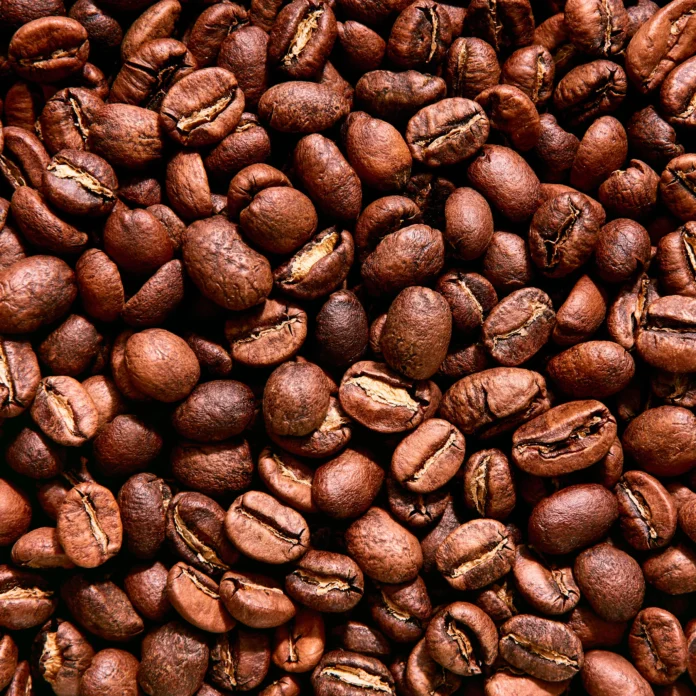
The distress permeating the coffee and cocoa sectors stems from an intricate interplay of crises that have compounded over recent years, culminating in price swings that have tested historical precedents. For coffee, Arabica, the premium variety favored for its nuanced flavors, has exhibited remarkable resilience in pricing despite recent dips. As of October 24, 2025, Arabica futures stood at 400.05 US cents per pound, marking a robust 61.57% year-on-year increase, even after a modest 2.46% daily decline. This surge builds on peaks earlier in the year, with prices touching nearly $4.41 per pound in February and September 2025, fueled by chronic supply constraints. Robusta, the hardier counterpart often used in instant blends, has also climbed sharply, posting gains of over 100 points in late October sessions amid similar pressures.
Cocoa, meanwhile, has traced a more erratic trajectory. After shattering records with prices soaring to around $12,931 per metric ton in late 2024, the market has cooled somewhat. By October 24, 2025, cocoa futures settled at 6,319.00 USD per metric ton, down 0.32% daily and reflecting a 6.91% year-on-year decline, though still elevated relative to historical norms amid ongoing supply anxieties. This moderation follows a 43% drop from peak levels earlier in the year, attributed to improved weather outlooks and demand softening, yet analysts caution that underlying vulnerabilities persist.
Tracing the timeline reveals a cascade of adversities. Brazil, the undisputed leader in Arabica production, endured devastating droughts and frosts in 2024, slashing yields and setting the stage for prolonged deficits. Compounding this, irregular rainfall in the key Minas Gerais region during the 2025 spring has cast shadows over the impending 2025/26 harvest. Vietnam, the powerhouse behind Robusta, has similarly wrestled with drought-induced delays. The U.S. National Oceanic and Atmospheric Administration (NOAA) has elevated the probability of a La Niña event from October through December 2025 to significant levels, forecasting drier conditions that could exacerbate Brazil’s woes and ripple through global supplies. In West Africa, where Côte d’Ivoire and Ghana collectively furnish over 60% of the world’s cocoa, erratic precipitation patterns, including prolonged dry spells and an intensified Harmattan wind season since 2019, have led to anticipated output drops of up to 10% in Côte d’Ivoire for the 2024/25 season. The preceding El Niño phase has further amplified these arid conditions, underscoring climate change’s role in amplifying natural variability.
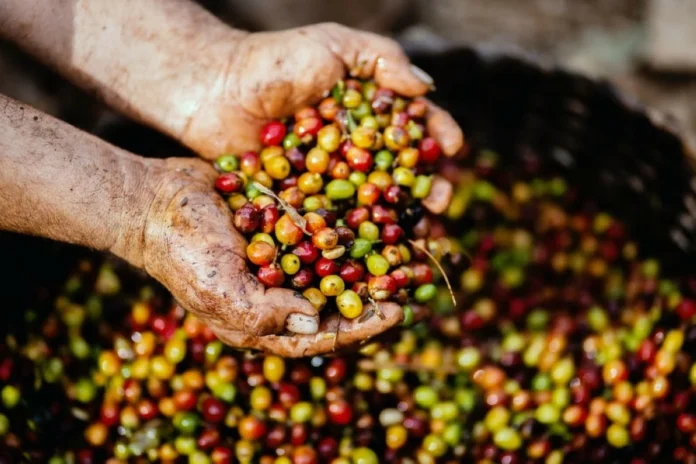
Pathogens add another layer of peril. Coffee leaf rust, a fungal scourge caused by Hemileia vastatrix, is surging in Central America, with Guatemala’s 2024/25 crop particularly hard-hit, potentially reducing yields by up to 50% in affected areas. In West Africa, the Cocoa Swollen Shoot Virus (CSSV), dubbed the “silent killer,” continues to erode plantations, decimating trees and necessitating widespread replanting efforts that could take years to yield results. Labor dynamics exacerbate these biological threats; shortages stemming from rural-to-urban migration and insufficient farmer incomes are leaving crops unharvested, as seen in Guatemala where rising production costs and low profitability deter workers. In West Africa, similar trends tied to poverty and underinvestment in farming communities compound the issue, threatening the viability of smallholder operations.
Geopolitical undercurrents further muddy the waters. In August 2025, the United States levied a 50% tariff on Brazilian coffee imports, effective from early August, constricting supplies to one of the world’s largest consumer markets and contributing to price pressures. Ongoing global conflicts have disrupted maritime routes, inflating freight costs and extending transit times for both commodities. Looming largest is the European Union Deforestation Regulation (EUDR), slated for full enforcement on large companies by December 30, 2025. This mandates granular traceability to plot-level origins, aiming to curb deforestation but posing Herculean challenges for fragmented supply chains, potentially barring non-compliant products from the EU and reshaping trade flows.
The volatility has created a stark divide among industry players, with diversified multinationals faring better than niche operators, though none emerge unscathed. Nestlé SA (SWX: NESN), the Swiss behemoth spanning food and beverages, has responded to escalating cocoa costs by selectively hiking prices on certain U.S. chocolate products in 2025, a move aimed at offsetting commodity inflation while preserving volume growth. Starbucks Corp. (NASDAQ: SBUX), the ubiquitous coffee retailer, faces analogous input squeezes, potentially necessitating menu adjustments or efficiency drives to safeguard margins amid consumer sensitivity to price hikes.
In the cocoa realm, Hershey Co. (NYSE: HSY) has been forthright about the toll, announcing low double-digit price increases across its candy lineup in July 2025, attributing the decision to “historic commodity pressures” that constitute about 20% of its cost of goods sold. Mondelez International Inc. (NASDAQ: MDLZ), owner of brands like Cadbury and Oreo, reported a nearly 49% hit to gross profits in Q1 2025 from high cocoa prices, prompting warnings of sustained pressure through the year and explorations into recipe tweaks or portion reductions. Processors like Barry Callebaut AG (SWX: BARN) and Olam Group Ltd. (SGX: O32) are investing in traceability tech to navigate EUDR compliance, viewing it as a competitive moat, while smaller entities risk obsolescence without capital for such upgrades.
This market maelstrom is emblematic of deeper systemic trends, with climate change as the paramount antagonist. Erratic weather, manifesting as droughts, floods, and temperature extremes, is projected to intensify, imperiling tropical yields and necessitating adaptive strategies like resilient varietals and agroforestry. Sustainability has evolved from buzzword to boardroom imperative, propelled by regulations like the EUDR and consumer preferences for ethical sourcing.
The fallout reverberates widely: Shipping firms contend with rerouting costs, producer economies like those in West Africa face revenue volatility affecting rural welfare, and global trade patterns may shift as EUDR compliance favors prepared origins. Historically, spikes, such as Brazil’s 1970s frosts or isolated epidemics, have been transient, but today’s multiplex threats suggest a paradigm shift toward enduring instability.
Short-term horizons brim with uncertainty. The International Coffee Organization (ICO) envisions a more balanced 2025 harvest, yet Volcafe foresees an 8.5 million-bag Arabica shortfall for 2025/26, the fifth straight deficit year. Prices may hover between $2.50 and $3.00 per pound by year-end. For cocoa, the International Cocoa Organization (ICCO) projects a 142,000-metric-ton surplus in 2024/25, but J.P. Morgan anticipates sustained elevation around $6,000 per tonne. EUDR rollout will be pivotal.
Long-term, diversification of sourcing, tech integration for monitoring, and investments in farmer resilience are crucial. Opportunities abound for trailblazers in ethical practices, though hurdles like compliance burdens and price resistance loom. Worst-case scenarios involve escalating deficits; optimistic ones, stabilization via sustainability gains, albeit sans a revert to bargain-basement pricing.
The coffee and cocoa saga underscores a transformative juncture, where environmental imperatives, social equities, and regulatory mandates converge to redefine tropical commodity trade. The epoch of inexpensive abundance wanes, yielding to volatility and premium pricing. Stakeholders must prioritize collaboration, innovation, and vigilance, tracking weather, regulatory efficacy, demand shifts, and corporate maneuvers, to forge a more equitable, sustainable future for these cherished staples.