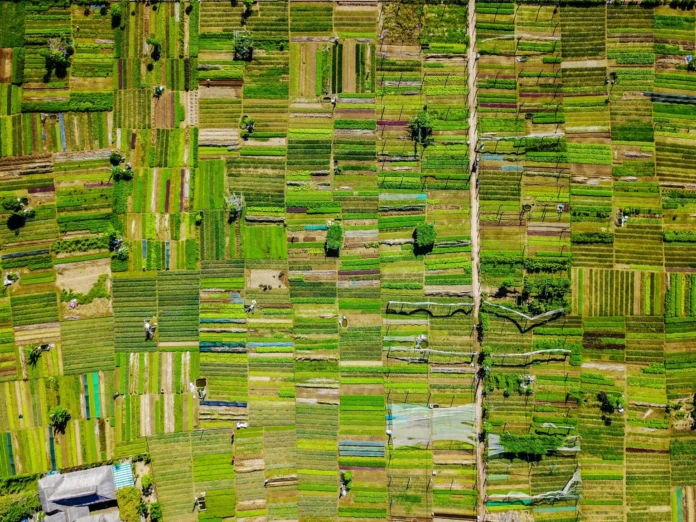
Arabfields, Meriem Senouci, Correspondent, Hanoï, Vietnam — Vietnam’s agricultural sector has entered the second half of 2026 with growing confidence after export earnings reached an estimated US$35.88 billion during the first six months of the year, marking a 6% increase compared with the same period last year. Government officials believe the momentum could carry the country beyond its ambitious target of US$74 billion in agricultural, forestry and fishery exports before the end of the year.
The latest figures also show the sector outperforming expectations in overall economic growth. Agricultural GDP expanded by approximately 3.8% to 3.85%, exceeding the official target of 3.7%, despite continued uncertainty in global trade and rising geopolitical tensions.
Deputy Prime Minister Ho Quoc Dung urged ministries, provincial authorities and exporters to maintain production, improve competitiveness and accelerate market expansion during the remaining months of the year. Officials said stronger administrative reforms and broader international cooperation will play a key role in sustaining export growth.
China remained Vietnam’s largest export destination, accounting for 21.3% of agricultural shipments, while the United States represented 19% and Japan 6.8%. Exports to China posted particularly strong growth, rising 23.1% from a year earlier, although shipments to the U.S. declined by 3.6%, highlighting the uneven performance across major markets.
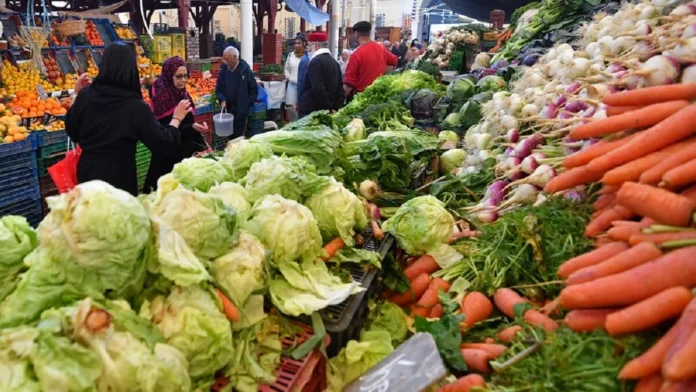
Several industries continued to deliver encouraging results. Seafood exports climbed to US$5.7 billion, up 11.4%, while wood and wood product exports reached US$8.54 billion, an increase of 4.4%. Fruit and vegetable exports also strengthened, growing 17.7% year on year to US$3.65 billion, reflecting steady international demand.
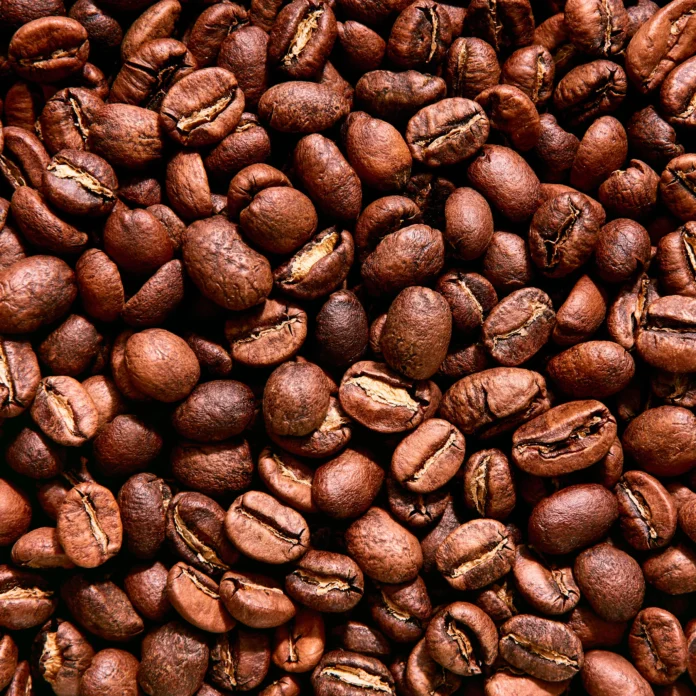
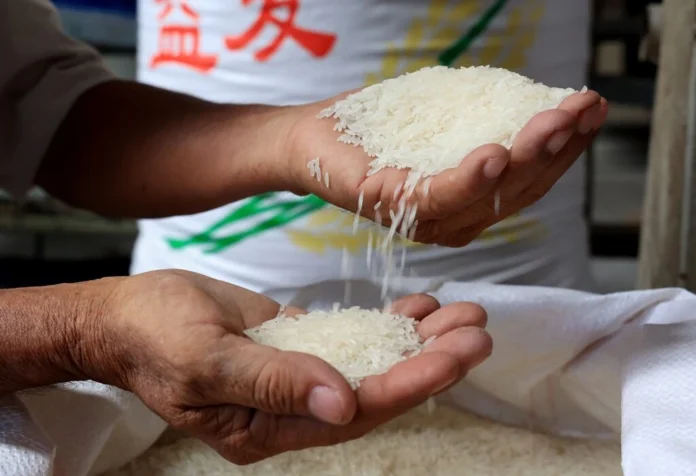
Not every product recorded higher earnings. Coffee and rice exports expanded in shipment volumes but experienced declines in export value, suggesting that softer global prices remain a challenge for producers even as overseas demand stays resilient.
Farmers and exporters continue to face rising logistics costs, fluctuating commodity prices and increasingly strict import standards in overseas markets. Industry representatives say adapting production methods, improving traceability and investing in higher-value products will become increasingly important if Vietnam is to preserve its competitive position.
Looking ahead, analysts expect export activity to remain solid through the final months of 2026 if global demand remains stable and new trade opportunities continue to emerge. With first-half exports already approaching half of the annual objective, maintaining the current pace would leave Vietnam well positioned to achieve, and potentially exceed, its record export target while reinforcing the country’s role as one of Asia’s leading agricultural exporters.