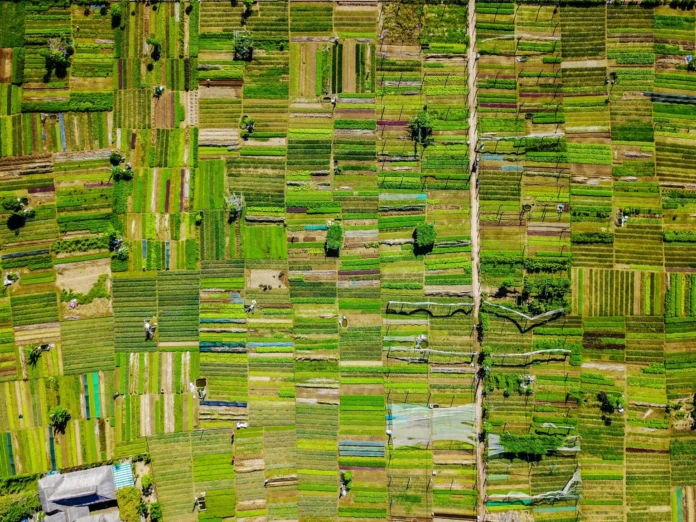
Arabfields, Sophia Daly, Financial Analyst specialized in Agriculture and Futures Markets — As the dawn of 2026 illuminates the fertile landscapes of Vietnam, the nation’s agriculture sector stands poised for an era of unprecedented prosperity and global prominence. Building on the remarkable achievements of 2025, when agricultural, forestry, and fishery exports soared to a historic $70 billion, the coming year promises even greater triumphs, driven by innovation, sustainable practices, and expanding international demand. Vietnam’s farmers, entrepreneurs, and policymakers are aligning their efforts to transform the country into a powerhouse of high-quality, eco-friendly produce, ensuring that agriculture remains a cornerstone of economic vitality and national pride.
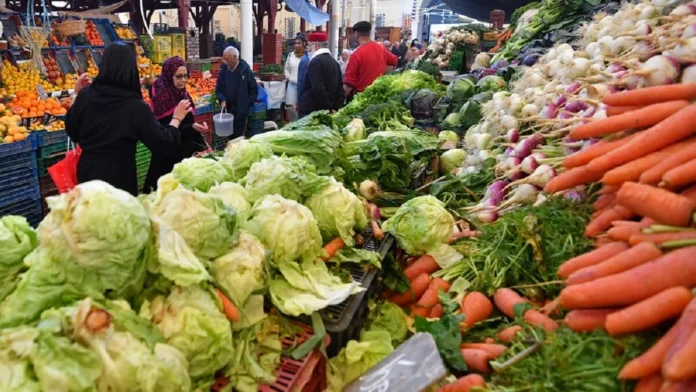
The fruit and vegetable segment, already a shining star, is set to reach new heights in 2026, with exports projected to surpass the monumental $10 billion mark. This surge reflects the growing global appetite for Vietnam’s premium tropical offerings, particularly durian, which has emerged as an undisputed leader, captivating markets in China, Europe, and beyond with its rich flavor and superior quality. Other fruits, such as dragon fruit, mangoes, and jackfruit, are gaining traction in discerning consumers worldwide, thanks to improved cultivation techniques that enhance taste, shelf life, and nutritional value. Vegetable exports, bolstered by advanced greenhouse technologies and organic farming methods, will complement this growth, providing year-round supplies to health-conscious buyers in developed nations. These developments not only boost revenue but also elevate Vietnam’s reputation as a reliable supplier of fresh, vibrant produce that embodies the essence of tropical abundance.
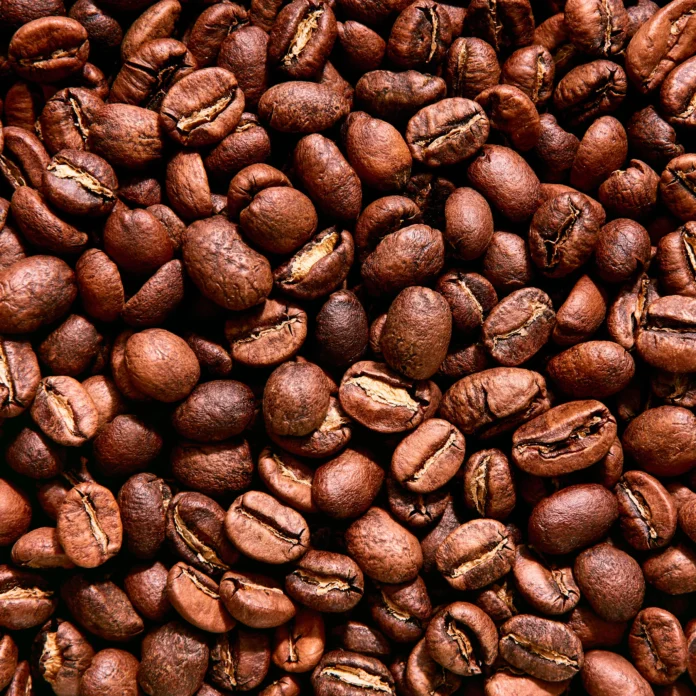
Seafood production and exports continue to thrive, positioning Vietnam as one of the world’s top providers of shrimp, tra fish, and a diverse array of marine delicacies. With sustained investments in aquaculture and responsible fishing practices, the sector is expected to maintain its robust trajectory, contributing significantly to the national export tally. Advanced feed technologies, disease-resistant breeding, and eco-certified farms ensure higher yields and premium pricing, appealing to markets that prioritize sustainability and traceability. Coffee, another iconic Vietnamese export, will see continued expansion, with robusta beans commanding strong demand in international roasters and specialty blends. Farmers in the Central Highlands are embracing precision agriculture, optimizing water use and soil health to produce richer, more aromatic crops that fetch higher premiums on global exchanges.
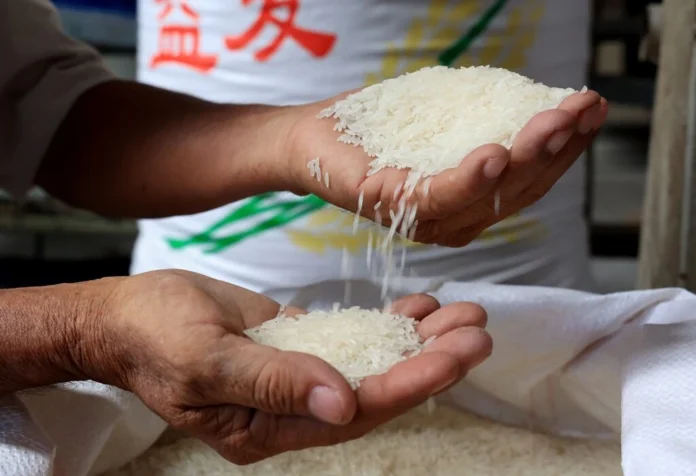
Rice, the enduring staple of Vietnam’s agricultural heritage, remains a beacon of stability and growth. As one of the leading exporters worldwide, the country is enhancing its varieties through research and hybridization, creating strains that are resilient to climate variations while delivering exceptional quality. In 2026, rice shipments are anticipated to solidify Vietnam’s market share, particularly in Asia, Africa, and the Middle East, where demand for affordable, nutritious grains persists. These core commodities, combined with emerging strengths in spices, nuts, and processed foods, create a diversified portfolio that shields the sector from volatility and opens doors to new trade partnerships.
A key driver of this optimistic outlook is the widespread adoption of sustainable and high-tech agriculture, transforming traditional farms into models of efficiency and environmental stewardship. Drones, sensor-based irrigation, and data analytics are empowering farmers to maximize productivity while minimizing resource consumption, leading to higher outputs with lower environmental impact. Government initiatives promoting green growth, low-emission practices, and circular economies are accelerating this shift, ensuring that Vietnam’s agriculture aligns with global standards for carbon neutrality and biodiversity preservation. Climate-resilient strategies, including improved water management and diversified cropping, equip the sector to navigate natural challenges with confidence, turning potential obstacles into opportunities for innovation.
Export markets are expanding rapidly, fueled by favorable trade agreements and strategic diplomacy. Access to premium destinations in the European Union, the United States, and Asia-Pacific regions is deepening, with Vietnamese products increasingly featured in supermarkets, restaurants, and online platforms worldwide. Emerging markets in Africa and Latin America present fresh avenues for growth, where Vietnam’s competitive pricing and quality assurance give it a distinct edge. Investments in logistics, cold-chain infrastructure, and digital trade platforms streamline supply chains, reducing waste and ensuring that fresh goods reach consumers in peak condition. This seamless integration into global value chains positions Vietnam not just as an exporter, but as a preferred partner in the international food ecosystem.
The broader economic context amplifies these positive prospects, with agriculture serving as a stable pillar amid ambitious national growth targets. As the sector contributes to job creation, rural development, and foreign exchange earnings, it fosters inclusive prosperity across provinces, from the Mekong Delta’s lush paddies to the mountainous coffee plantations. Young entrepreneurs and cooperatives are injecting vitality into the industry, blending tradition with modernity to create brands that resonate globally. In 2026, this synergy of human ingenuity, natural bounty, and policy support will propel Vietnam’s agriculture toward sustained double-digit export growth in key segments, reinforcing its role as an engine of national advancement.
Looking ahead, 2026 emerges as a pivotal year of triumph for Vietnamese agriculture and exports, a time when records are shattered, barriers are overcome, and visions of a greener, more prosperous future become reality. With unwavering commitment to quality, sustainability, and innovation, Vietnam is not merely participating in the global agricultural landscape, it is leading it, inspiring confidence in a bountiful tomorrow that benefits farmers, consumers, and the planet alike. The horizon glows with promise, and the fields of Vietnam are ready to yield their greatest harvest yet.