July 7 — Domestic coffee prices in Vietnam recorded a modest uptick today, trading at an average of 96,300 VND per kilogram. In contrast, pepper prices held steady, fluctuating between 139,000 and 144,000 VND/kg across key regions.
Coffee Market Update
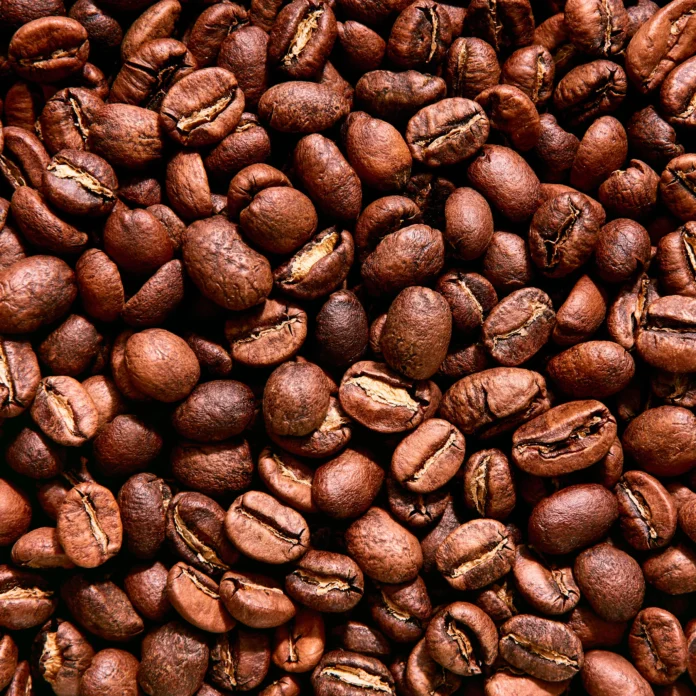
Coffee prices across Vietnam’s Central Highlands saw a slight increase compared to the previous trading session. Average purchase prices in major provinces hovered around 96,300 VND/kg.
- In Dak Lak, coffee traded at 96,300 VND/kg.
- Lam Dong recorded slightly lower prices at 95,800 VND/kg.
- Gia Lai matched Dak Lak at 96,300 VND/kg.
- Dak Nong reported the highest among the four at 96,400 VND/kg.
The domestic coffee market continues to face volatility influenced by global stock levels, weather conditions, and currency exchange fluctuations. However, high current prices and a rebound in demand are offering a positive outlook for July.
Market analysts believe that unless there are significant changes in Brazil’s coffee output or major fluctuations in the USD/VND exchange rate, domestic coffee prices may continue their gradual rise in the short term. Farmers and businesses are advised to closely monitor market developments and time their sales strategically to maximize profits in this unpredictable environment.
Pepper Market Overview
Pepper prices remained unchanged today across the country, maintaining a range between 139,000 and 144,000 VND/kg:
- Dak Lak recorded the highest price at 144,000 VND/kg.
- In Gia Lai, prices stood at 139,000 VND/kg.
- Dak Nong and Ba Ria – Vung Tau each reported stable prices at 140,000 VND/kg.
On the export front, the price of Vietnamese black pepper continues to fluctuate between 6,240 and 6,370 USD per tonne for grades of 500g/l and 550g/l. White pepper exports are priced at 8,950 USD per tonne.
According to Vietnam’s Ministry of Industry and Trade, domestic pepper prices are expected to remain subdued in the short term. Many farmers and investors are holding on to their stocks, anticipating a price surge in the third and fourth quarters of the year. This cautious approach has temporarily tightened market supply.
Internationally, a stronger US dollar and geopolitical instability have made investors more wary of the pepper market. Additionally, rising transport costs are putting further downward pressure on short-term prices.