Arabfields, Jamel derbal, Senior Correspondent: Innovation & Sustainability, Singapore — Vietnam has emerged as a pioneer in sustainable agriculture, becoming the first country to produce and export low-carbon rice on a large scale. With more than 70,000 tons already certified under the distinctive “Vietnamese Green Low-Emission Rice” brand, this achievement marks a significant shift in the nation’s rice industry, one that prioritizes environmental responsibility alongside quality and traceability. This innovative approach not only addresses growing global concerns about climate change but also positions Vietnamese rice to thrive in the most demanding international markets, where consumers and regulators increasingly demand proof of low greenhouse gas emissions.
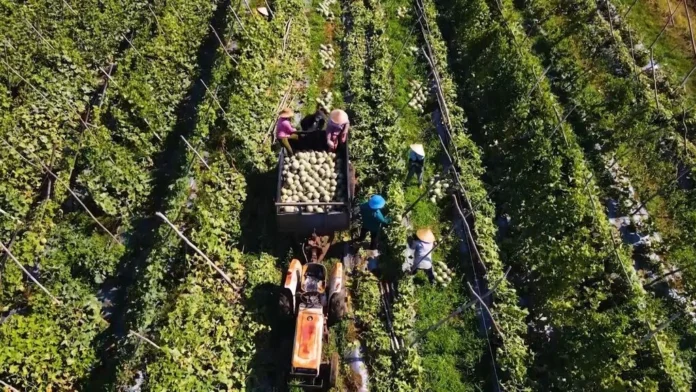
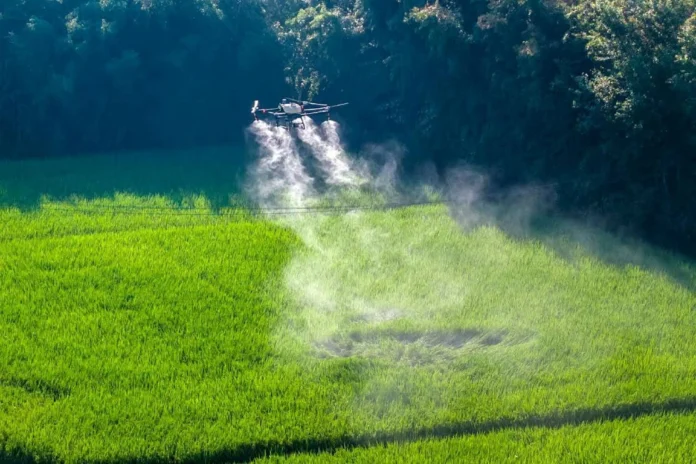
The journey toward this green revolution began with concerted efforts to transform traditional rice cultivation practices in the Mekong Delta, the heartland of Vietnam’s rice production. Companies participating in specialized projects have adopted advanced techniques that significantly reduce emissions while maintaining high yields and superior grain quality. Independent verifications have shown impressive results, with reductions ranging from 3.14 to 4.63 tons of CO₂ equivalent per hectare. These figures provide a solid scientific basis for claiming the low-carbon status of the rice, ensuring full traceability from the fields through processing facilities to the final product. Varieties such as OM18, Dai Thom 8, DS1, and the renowned ST25, along with introduced Japanese strains like Hana, Akita, and Koshi, have been cultivated under strict monitoring, targeting premium segments where environmental standards are non-negotiable.
Certification plays a central role in this transformation. The Vietnam Rice Industry Association has issued trademark usage rights for tens of thousands of tons in recent months, covering production across thousands of hectares. This branding serves as an essential identity for the product, allowing buyers worldwide to recognize its sustainable credentials at a glance. Early batches have already made their way to discerning markets, starting with shipments to Japan, a country renowned for its rigorous requirements on food safety, origin tracing, and ecological impact. The inaugural export of 500 tons in mid-2025 symbolized a milestone, followed by further deliveries to Australia later that year. These successes, though modest in volume compared to traditional rice exports, demonstrate a clear path forward, where sustainability becomes a competitive advantage rather than a mere compliance obligation.
At the core of these developments lies a collaborative project supported by international partners, aimed at scaling up low-emission practices across substantial areas. This initiative seeks to engage hundreds of thousands of farming households and achieve meaningful reductions in overall emissions by the end of the decade. When combined with the broader national ambition to develop one million hectares of high-quality, low-emission rice cultivation in the Mekong Delta by 2030, the potential for profound change becomes evident. Such large-scale adoption would not only lower the carbon footprint of one of the world’s leading rice exporters but also enhance resilience against climate challenges that threaten traditional farming methods.
Looking ahead, the future of Vietnamese low-emission rice appears exceptionally promising. As procedures for measuring, reporting, and evaluating emission reductions are finalized and implemented, production volumes are likely to surge dramatically. With standardized raw material zones expanding and companies gaining the ability to independently verify their environmental performance, negotiating power in international trade will strengthen considerably. Exporters can anticipate premium pricing in markets increasingly focused on carbon footprints, leading to higher revenues and greater economic benefits for farmers and processors alike. The current trajectory, building on over 70,000 tons certified in a short period, suggests that annual low-emission rice output could reach hundreds of thousands of tons within a few years, capturing significant shares in Europe, North America, and other high-value regions beyond initial forays into Japan and Australia.
This growth will be fueled by ongoing investments in technology, mechanization, and farmer training, alongside supportive policies that facilitate linkages between cooperatives and enterprises. As ecological zoning aligns production with market demands, efficiency gains will further reduce emissions while improving yields. By aligning with the nation’s commitment to carbon neutrality by mid-century, the rice sector could contribute substantially to global climate goals, potentially offsetting millions of tons of CO₂ equivalent through widespread adoption of these practices. In demanding markets where sustainability certifications influence purchasing decisions, Vietnamese rice stands poised to outpace competitors still reliant on conventional methods, establishing the country as a leader in green agricultural commodities.
Moreover, the ripple effects extend beyond exports. Enhanced environmental stewardship in the Mekong Delta will preserve vital ecosystems, mitigate methane releases from flooded paddies, and promote biodiversity in rice-growing regions. Farmers participating in these programs gain access to better financing, technical support, and stable contracts, fostering rural development and reducing vulnerability to market fluctuations. As consumer preferences worldwide continue shifting toward ethically produced foods, the “Vietnamese Green Low-Emission Rice” brand will likely become synonymous with excellence, driving demand that outstrips supply in the coming decade.
In essence, Vietnam’s embrace of low-emission rice production represents more than an agricultural innovation, it embodies a strategic response to the imperatives of the modern era. By integrating sustainability into the core of its rice value chain, the country is not only conquering challenging markets today but also laying the foundation for enduring prosperity tomorrow. The momentum built through recent certifications and exports signals an unstoppable rise, one that could redefine global standards for one of humanity’s staple crops and secure Vietnam’s place at the forefront of sustainable food production for generations to come.