Arabfields, Naïla Mokhtari, Correspondent, São Paulo, Brasil — Weather conditions are expected to play a major role in Brazil’s citrus market this month, with temperatures, rainfall and the pace of harvesting likely to shape prices for oranges and Tahiti limes.
The market entered October after a volatile September. During the first half of the month, limited supplies of early orange varieties and persistent rainfall supported prices of pera oranges, as wet conditions made harvesting more difficult. The situation changed in the second half of September, when warmer weather accelerated the harvest of mid-season fruit and increased availability, putting downward pressure on prices.
For consumers, the impact of weather can be felt quickly. A family buying fruit for breakfast or juice may see prices change within weeks as farmers move from one variety to another and supplies reach wholesale markets at different rates. For growers, meanwhile, the same weather conditions can determine whether fruit reaches the market on time or remains in the fields.
October could bring some support to orange prices if temperatures remain elevated. According to the Cepea assessment reported this week, warmer conditions associated with El Niño are expected to encourage consumption of fresh oranges, potentially limiting further price declines, at least temporarily.
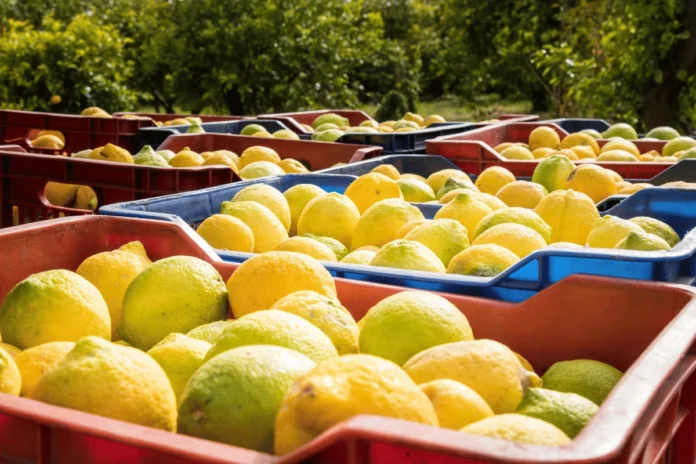
The Tahiti lime market is facing a different supply pattern. During the off-season, restricted availability and a predominance of smaller fruit pushed prices to their highest level of 2026. Prices then came under pressure as harvesting resumed, but a more significant increase in supply in São Paulo is not expected until November.
The outlook for the coming weeks therefore points to a market caught between stronger consumer demand and improving availability. If warmer weather boosts consumption while supply expands only gradually, orange prices could remain relatively firm during October. If harvesting accelerates faster than expected, however, increased availability could renew downward pressure on prices.
For producers and traders, the next few weeks will depend heavily on the balance between weather and supply. October is likely to remain a transition period, with the market gradually moving toward the larger supply expected later in the season.