Arabfields, Sophia Daly, Financial Analyst specialized in Agriculture and Futures Markets — The global avocado industry has crossed a significant milestone, with its market value now exceeding 20 billion dollars amid robust consumer demand for this nutrient-rich fruit.
Market analysts note that the sector benefited from heightened awareness of healthy eating habits and the versatility of avocados in modern diets. In 2026, the market is estimated to reach approximately 21 billion dollars, reflecting steady expansion driven by both established and emerging markets.
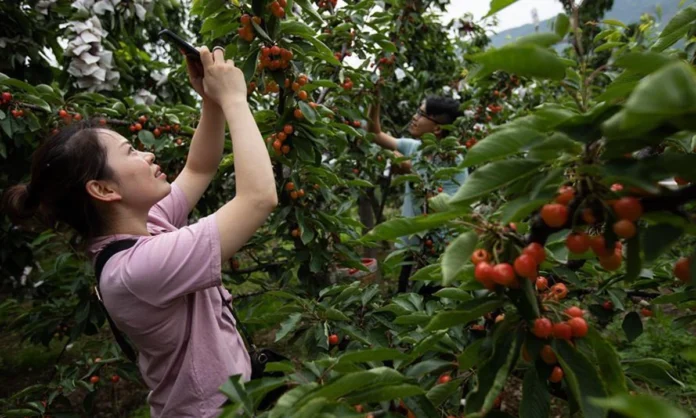
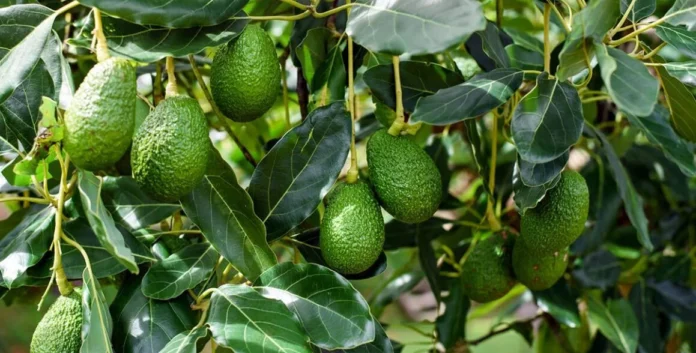
Farmers in key producing regions, such as Mexico, have reported increased planting activities to meet the rising needs. One grower near Michoacán described how expanded orchards have helped stabilize supply chains despite occasional weather challenges. At the same time, importers in North America and Europe have invested in improved cold-chain logistics to deliver fresher fruit to retail shelves and restaurants.
Consumption patterns show clear shifts toward plant-based options, with avocados featuring prominently in salads, spreads, and ready-to-eat products. The United States market alone is on track for substantial volumes, building on recent years where annual intake approached historic highs. European buyers have also doubled their per-capita consumption over the past decade, pushing regional demand higher.
Production growth remains a central factor. Projections indicate that global output will continue to rise through expanded cultivation areas and higher-yield practices. Mexico is expected to maintain its leading position, with forecasts for 2026 pointing to around 2.8 million metric tons. Other contributors, including Peru and Colombia, are scaling up exports to fill seasonal gaps.
Experts anticipate that the market will sustain a compound annual growth rate between 5 and 8 percent in the coming years. By 2030, the sector could reach values ranging from 26 billion to 32 billion dollars, depending on sustained health trends and trade developments. Emerging opportunities in Asia-Pacific are particularly promising, as rising middle classes discover the fruit’s benefits.
Challenges persist, however. Supply chain disruptions from climate variability and the need for sustainable farming methods require ongoing attention. Industry participants emphasize the importance of traceability and organic certifications to maintain consumer trust and premium pricing.
Looking ahead, the avocado trade is set to benefit from new exporting countries entering the global scene. Analysts project that the number of active exporters could grow significantly by the end of the decade, enhancing overall availability and moderating price fluctuations.
Retailers and foodservice operators are adapting quickly. Quick-service restaurants increasingly incorporate avocado-based items, while supermarkets expand dedicated displays. These efforts, combined with effective marketing around nutritional advantages, support the positive outlook.
The industry’s resilience stems from collaborative efforts among producers, distributors, and marketers. As demand broadens across continents, stakeholders remain optimistic that strategic investments in production and logistics will secure long-term growth.
This expansion underscores the avocado’s transition from a niche product to a global staple, driven by evolving dietary preferences and improved access worldwide.