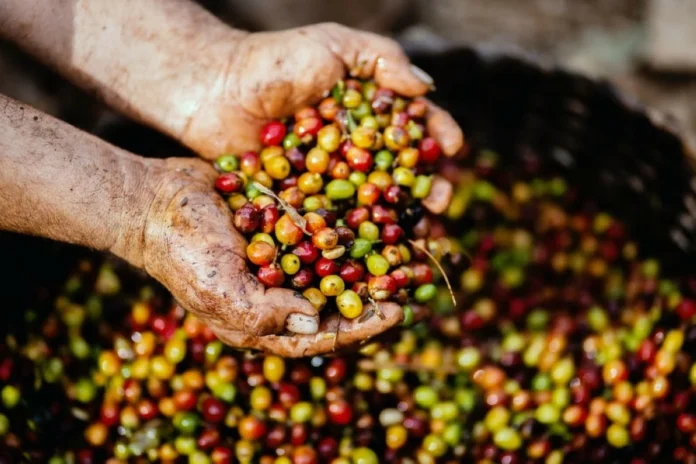
Arabfields, Ngab Niyonzima, special correspondent, Gitega Province, Burundi — In the vast landscapes of sub-Saharan Africa, where agriculture forms the backbone of countless communities, women play an indispensable role as the primary custodians of seeds. These women, often working small family plots in rural areas, meticulously select, store, and exchange traditional seeds that have been passed down through generations. Their practices ensure not only the continuation of diverse crop varieties but also the resilience of local food systems against environmental challenges and external pressures. Through careful observation of plant traits, they preserve seeds adapted to local soils, climates, and pests, fostering biodiversity that commercial varieties often lack. This traditional knowledge, rooted in centuries of experience, allows communities to maintain food security in regions prone to drought, erratic rainfall, and soil degradation.
The importance of these women extends beyond mere cultivation, as they embody a form of agricultural sovereignty that prioritizes local needs over global market demands. In many African countries, women produce up to 80 percent of the food consumed locally, yet they frequently face barriers to land ownership, credit, and modern inputs. Despite these obstacles, their seed-saving practices sustain a rich genetic diversity, including indigenous varieties of millet, sorghum, maize, and legumes that are naturally resistant to local stresses. Organizations and networks across the continent support these efforts, promoting farmer-managed seed systems that empower women to exchange knowledge and seeds freely, reducing dependence on multinational corporations that push hybrid or genetically modified varieties requiring annual purchases.
Looking toward the future, the role of African women as seed guardians holds immense promise for sustainable agriculture amid escalating climate threats. As global temperatures rise and extreme weather events become more frequent, the diverse, locally adapted seeds preserved by these women could prove vital for breeding resilient crops worldwide. Projections suggest that by 2050, Africa will need to increase food production significantly to feed its growing population, and traditional seed systems offer a pathway to achieve this without heavy reliance on chemical inputs. These systems promote agroecological approaches that enhance soil health, reduce erosion, and support pollinators, potentially mitigating the biodiversity loss seen in industrialized farming. If supported by policies that recognize women’s rights to seeds and land, these practices could expand, leading to stronger regional food sovereignty and reduced vulnerability to corporate-controlled supply chains.
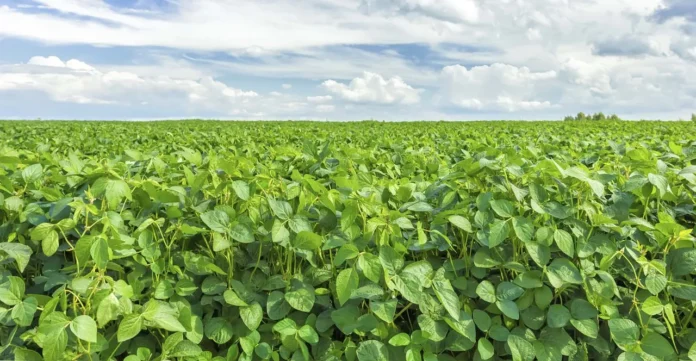
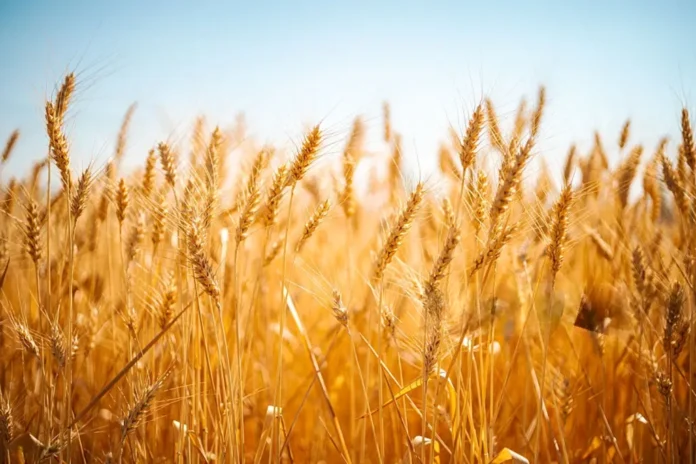
In stark contrast to these traditional methods stands the intensive pesticide use in large-scale commercial agriculture, particularly in major exporting countries like Canada. Canadian farmers commonly apply glyphosate, the active ingredient in Roundup, as a pre-harvest tool on wheat and lentils to control perennial weeds and facilitate even drying, especially in cooler, wetter northern regions where uniform ripening is challenging. Although officially registered for weed management rather than desiccation, this practice effectively speeds harvest by up to two weeks, allowing earlier combining in provinces like Saskatchewan and Manitoba. For wheat, glyphosate is applied when grain moisture is below 30 percent, targeting weeds like Canada thistle while incidentally drying the crop. Similarly, in lentil production, which dominates Western Canada with Saskatchewan accounting for the majority, pre-harvest glyphosate helps manage late-season weeds and ensures smoother harvesting of this low-competitive pulse crop.
This widespread application results in detectable residues in final products, with studies showing glyphosate present in a significant portion of Canadian wheat and lentil samples. Residues in lentils can reach levels compliant with Canada’s generous maximum limits but often raise concerns in export markets with stricter standards, such as the European Union, where pre-harvest spraying is restricted or banned. Recent incidents, including recalls of Canadian lentils in France due to glyphosate and other herbicide traces, highlight growing international scrutiny. As consumer awareness increases and companies like major grain buyers phase out acceptance of desiccated crops, projections indicate a potential decline in this practice over the coming decade, driven by market pressures and health debates surrounding long-term exposure.
The divergence between Africa’s women-led seed guardianship and Canada’s pesticide-intensive monocultures underscores a broader global tension in agriculture. While African women nurture diverse, chemical-free seeds that promise adaptive resilience for future generations, industrial systems prioritize short-term efficiency at the cost of ecological and health trade-offs. In the years ahead, integrating the wisdom of these African guardians into global strategies could foster a shift toward regenerative farming, diminishing reliance on synthetic pesticides and enhancing biodiversity. Such a transition would not only bolster food security in vulnerable regions but also offer a sustainable model for the world, ensuring that seeds remain a common heritage rather than a commodified resource. By valuing and amplifying the contributions of these women, humanity can chart a course toward agriculture that nourishes both people and the planet for centuries to come.