Arabfields, Maleeka Kassou, East, West & Central Africa Agriculture Correspondent — Djibouti, a small nation in the Horn of Africa facing severe water scarcity and limited arable land, is embarking on a transformative journey with its ambitious $100 million plan to revitalize its farm sector. Backed by partnerships with the United Nations Food and Agriculture Organization (FAO), this initiative aims to modernize farming practices, introduce water-efficient irrigation systems, and develop drought-resistant crop varieties, addressing the stark reality that only 4.3 percent of the country’s land is suitable for agriculture while annual rainfall remains minimal. Currently, agriculture contributes just 2.6 percent to Djibouti’s GDP, with local production meeting a mere 20 percent of national food needs, forcing the country to import around 80 percent of its food supply, valued at an average of $735.8 million annually between 2021 and 2023. Key imports include staples like rice, wheat, maize, meat, dairy, fish, sugar, and vegetable oils, highlighting a heavy reliance on external sources for basic nutrition.
The plan emerges from high-level discussions, including a December 7, 2025, meeting between President Ismail Omar Guelleh and FAO Director-General Qu Dongyu, who pledged support to position Djibouti as a regional economic hub. Challenges such as soil salinity, inadequate food processing infrastructure, and the dominance of livestock in agricultural output, which accounts for 75 percent of the sector’s GDP yet focuses on live exports rather than value-added products due to limited cold storage, underscore the urgency of these reforms. Small-scale farming today is confined to fruits and vegetables along riverbeds, but the investment seeks broader expansion through regional cooperation on drought response and feed supply, alongside the planned opening of a training center for young farmers in 2026 to foster agribusiness skills.
Looking ahead, this $100 million infusion could mark a pivotal shift toward greater food security and economic diversification. With successful implementation, Djibouti might increase domestic production significantly over the next decade, potentially reducing food import dependency by 30 to 50 percent by 2035, based on projected gains from efficient irrigation and resilient crops. Enhanced local output of grains and vegetables could stabilize prices, bolster resilience against global supply disruptions, and create jobs in processing and export, transforming agriculture into a more substantial GDP contributor, perhaps reaching 5 to 8 percent within fifteen years. Partnerships with FAO and Horn of Africa neighbors could accelerate technology transfer, enabling sustainable yields in arid conditions and positioning Djibouti as a model for climate-adapted farming in similar environments.
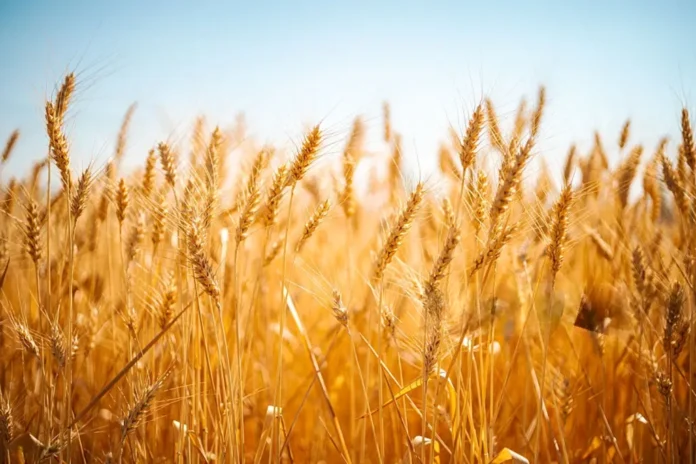
In drawing lessons from established large-scale producers, Djibouti’s emerging grain and pulse cultivation may encounter parallels with practices in countries like Canada, a global leader in wheat and lentil production. There, intensive farming relies heavily on pesticides to combat weeds, fungi, and insects, ensuring high yields across vast prairies. For wheat, herbicides dominate applications, often comprising over 70 percent of pesticide use, with fungicides and insecticides following to address diseases like rusts and pests that can reduce output by 10 to 60 percent if unchecked. Glyphosate, a broad-spectrum herbicide, is commonly applied pre-harvest as a desiccant to uniform drying and facilitate harvesting, alongside soil-applied and in-crop treatments. Similarly, large-scale lentil production in Canada involves layered herbicide strategies, including pre-seed burnoff, residual products, and in-crop applications to manage competitive weeds, given lentils’ poor natural competitiveness. Pre-harvest glyphosate or alternatives like diquat are used for desiccation, though debates persist over residues, with some markets scrutinizing levels due to stricter international tolerances.
These practices, while boosting productivity, raise considerations for environmental and health impacts that Djibouti might navigate differently in its nascent expansion. In Canada, pesticide reliance has led to residue detections in nearly half of conventional pulse products and significant portions of wheat, prompting ongoing regulatory scrutiny and calls for integrated pest management to mitigate soil persistence, water contamination, and biodiversity effects. As Djibouti scales up potential grain and legume farming, adopting drought-resistant varieties and efficient water use could minimize intensive chemical inputs from the outset, favoring biological controls or precision application to avoid long-term ecological drawbacks seen elsewhere. Future projections suggest that by prioritizing sustainable methods, Djibouti’s sector could achieve balanced growth, supplying more local needs while exporting surplus regionally, ultimately fostering a resilient food system amid climate challenges. This strategic pivot not only promises reduced vulnerability to import fluctuations but also positions the nation for sustained agricultural prosperity in the coming decades.