Arabfields, Fayçal Taleb, Toronto, Canada — In a significant move reflecting evolving consumer preferences, Mondelez International has introduced Oreo Zero Sugar to the United States market, marking the iconic brand’s first sugar-free offering on American shelves. This launch, set to hit stores in January 2026, comes after successful rollouts in Europe and China, and addresses a longstanding gap in the sandwich cookie category, where sugar-free options have been notably absent. Developed over four years, the new formulation relies on a blend of maltitol, polydextrose, sucralose, and acesulfame potassium to mimic the classic Oreo taste and creamy texture without any added sugar. Available in Original and Double Stuf varieties, Oreo Zero Sugar embodies what Mondelez describes as “mindful indulgence,” allowing consumers to enjoy a beloved treat while aligning with dietary goals focused on reduced sugar intake.
The timing of this introduction aligns closely with broader shifts in snacking habits, where health consciousness is increasingly driving purchasing decisions. Research from Circana highlights that most Americans are actively seeking snacks perceived as beneficial to their overall well-being, while insights from Conagra Brands point to growing interest among Millennials and Generation Z in portion-controlled and wellness-oriented options. Amid rising concerns over excessive sugar consumption, which contributes to issues like obesity and diabetes, consumers are prioritizing products that offer indulgence without compromise. Michelle Deignan, vice president of marketing for Oreo at Mondelez, emphasized that the absence of sugar-free sandwich cookies presented a major opportunity, enabling the brand to redefine indulgence and attract those previously deterred by traditional formulations.
Looking ahead, this launch signals a pivotal trajectory for the snack industry, with projections indicating accelerated growth in reduced-sugar and better-for-you categories through the coming years. By 2030, experts anticipate that low- or no-sugar claims will dominate over 40 percent of new healthy snack introductions, fueled by demands for cleaner labels, higher protein, and functional benefits. As consumers continue to favor snacks with less added sugar, more fiber, and natural ingredients, brands like Oreo are poised to capture a larger share of the expanding wellness-oriented market. This trend extends beyond cookies, encompassing savory options, bars, and baked goods, where reduced sugar formulations are expected to become mainstream, supporting broader public health goals and sustainable eating patterns.
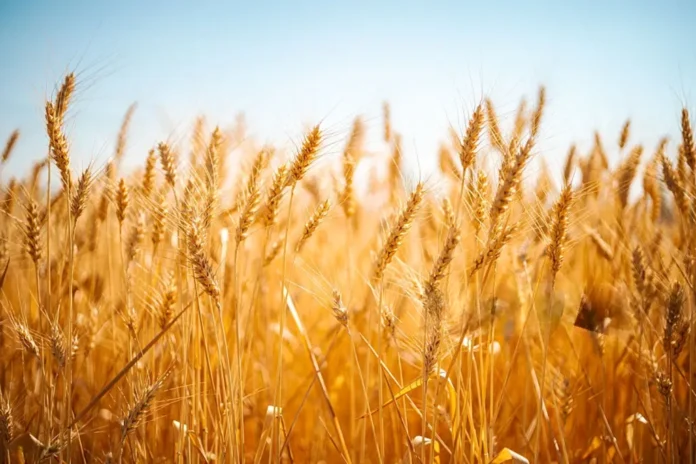
Yet, the path to truly healthier snacks involves not only reformulation but also addressing upstream challenges in ingredient sourcing, particularly for wheat-based products like biscuits and cookies. In large-scale wheat production, especially in major exporting regions like Canada, glyphosate-based herbicides are widely applied, often as a pre-harvest desiccant to even crop maturity and facilitate harvesting in variable weather conditions. This practice, common in conventional farming, can lead to residue levels in wheat flour and bran, with maximum limits set at 5 to 15 parts per million depending on the product fraction. Similarly, in lentil cultivation, another key pulse crop, glyphosate is frequently used for desiccation due to the crop’s indeterminate growth, resulting in potential residues that have prompted scrutiny from buyers and exporters concerned about international maximum residue limits.
While regulatory bodies maintain that compliant levels pose no health risks, ongoing debates and buyer preferences are pushing toward reduced reliance on such chemicals. Some processors and brands have already begun phasing out acceptance of desiccated crops, encouraging alternatives that prioritize soil health and lower inputs. Mondelez itself is advancing sustainability through initiatives like its Harmony program in Europe and similar efforts in North America, aiming for 100 percent regeneratively sourced wheat for certain products by 2030. These practices emphasize crop rotation, minimized tillage, biodiversity enhancement, and optimized fertilizer use, which naturally reduce the need for synthetic herbicides and support long-term ecosystem resilience.
As the demand for healthier snacks intensifies into the late 2020s and beyond, the industry is likely to see a convergence of reduced-sugar innovation with regenerative sourcing strategies. Consumers, increasingly informed and selective, will reward transparency in both nutritional profiles and supply chains, favoring products that deliver indulgence alongside environmental and health benefits. Oreo Zero Sugar represents an early step in this evolution, but the fuller transformation will depend on collaborative efforts across farming, manufacturing, and regulation to ensure that iconic treats not only taste better for individuals but also contribute positively to planetary health. In this emerging landscape, mindful snacking could redefine convenience foods, making guilt-free enjoyment a standard rather than an exception.