Arabfields, Adel Serai, Economic Analyst — Algeria’s agricultural sector has emerged as a cornerstone of economic diversification, achieving a remarkable turnover exceeding 38 billion dollars in recent years, according to insights from economic experts like Houari Tigresi, a professor at the University of Algiers. This impressive figure underscores the sector’s vital role in contributing to the national GDP, which stands around 325 billion dollars, while highlighting the untapped potential of the country’s vast land resources. With over 50 million hectares suitable for agriculture, yet only about 5.8 percent currently utilized, Algeria possesses significant room for expansion that could drive even greater contributions to food security and non-hydrocarbon exports.
The sector’s performance reflects ongoing reforms, particularly in land management and investment incentives, which are expected to propel growth beyond 5 percent in the near term. These developments align with broader economic projections, including a national growth rate of 4.1 percent anticipated for 2026, supported by strategic allocations in the state budget for investment activation and diversification. As Algeria continues to prioritize southern and desert regions for large-scale cultivation, initiatives such as the mobilization of state-owned lands for private investors and partnerships for irrigation expansion promise to unlock higher yields in strategic crops like grains, pulses, and oilseeds.
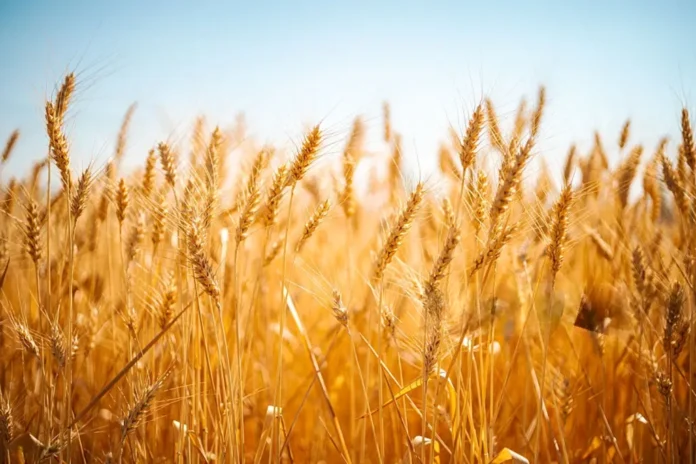
Looking ahead, the Algerian agriculture market is projected to grow at a compound annual rate of around 4.1 percent, potentially reaching nearly 41 billion dollars by 2030. Grains and cereals, which dominate with over 58 percent market share, benefit from government-supported programs covering millions of hectares for wheat and barley, including subsidized inputs and guaranteed pricing. Fruits, vegetables, and pulses are poised for even stronger expansion, with fruits and vegetables expected to see the highest growth rates due to greenhouse developments and improved cold chains. Recent projects, such as large-scale investments in southern provinces for wheat, lentils, dry beans, and chickpeas, including pasta production and storage infrastructure, signal a committed push toward self-sufficiency and export diversification.
These efforts address historical reliance on imports, particularly for cereals where domestic production covers a substantial portion of demand but still requires supplementation. Future forecasts suggest stability in production levels for key crops, with continued emphasis on reducing import bills through expanded irrigated areas and technological partnerships. As reforms take hold, the sector could not only sustain its current momentum but also contribute more robustly to economic resilience, lowering inflation projections and enhancing social stability through increased food availability.
In contrast to Algeria’s emerging large-scale focus on pulses and grains, Canada’s established production of wheat and lentils on vast prairie lands relies heavily on intensive pesticide applications to maintain high yields. Canada stands as one of the world’s leading exporters of these crops, with Saskatchewan alone accounting for the majority of lentil output in the country. Large-scale wheat farming in the Prairies involves widespread use of herbicides, fungicides, and insecticides, with herbicides dominating due to the need for effective weed control in no-till or minimum-till systems. Glyphosate and other broad-spectrum herbicides are commonly applied, alongside fungicides like prothioconazole for disease management and neonicotinoid insecticides such as thiamethoxam and clothianidin for seed treatments and pest protection.
For lentils, which are particularly vulnerable to weed competition given their short stature and thin canopy, producers employ layered herbicide strategies, including pre-seed, pre-emergent, and in-crop applications to target broadleaf and grassy weeds. Residual herbicides combined with higher seeding rates help suppress issues like kochia and wild buckwheat, while fungicides address foliar diseases such as ascochyta blight, anthracnose, and sclerotinia. Insecticides are used judiciously for threats like grasshoppers and cutworms, though thresholds are low during critical blooming periods. Overall pesticide density in the Canadian Prairie Pothole Region reflects intensive use, with herbicides applied at rates far exceeding fungicides and insecticides, contributing to environmental concerns in wetlands and surrounding ecosystems.
This reliance on chemical inputs in Canadian systems highlights the challenges of scaling production while managing resistance and ecological impacts, offering lessons for emerging producers like Algeria as they expand cultivation of similar crops. As global demand for sustainable practices grows, future trajectories in both nations may increasingly incorporate integrated pest management, reduced-risk alternatives, and precision technologies to balance productivity with environmental stewardship. Algeria’s path forward, building on its recent achievements and vast land potential, positions the sector for sustained expansion, potentially transforming it into a more prominent player in regional and international markets in the coming decade.