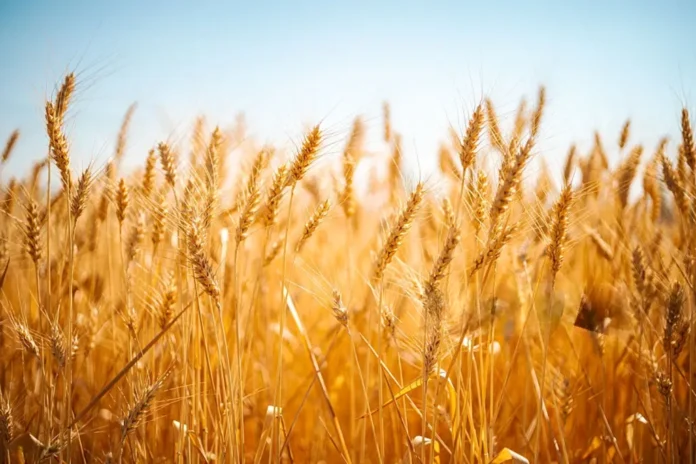
Arabfields, Adel Serai, Economic Analyst, Oran — Algeria’s state grains agency, the Office Algérien Interprofessionnel des Céréales (OAIC), has once again turned to the international market with a tender for durum wheat, highlighting the country’s ongoing dependence on imports to meet domestic demand for this essential staple. European traders reported on Monday that the OAIC launched an international tender for a nominal quantity of 50,000 metric tons of durum wheat, also known as hard wheat, with optional origins allowed, meaning suppliers from any region could participate. The deadline for submitting offers was set for Tuesday, December 23, with bids required to remain valid until Wednesday, December 24. Shipments were specified across four periods in early 2025, namely from February 1 to 15, February 16 to 28, March 1 to 15, and March 16 to 31.
This tender comes at a time when Algeria continues to navigate challenges in boosting its domestic cereal production, despite ambitious government targets for self-sufficiency. Durum wheat holds particular importance in Algerian cuisine, serving as the primary ingredient for traditional foods like couscous, pasta, and various breads, which form the backbone of daily consumption. The country’s population growth and stable dietary preferences ensure consistent high demand, estimated at around 11.9 million metric tons of total wheat consumption for the 2025/26 marketing year, according to recent USDA forecasts. With local production projected to hover around 3 million metric tons, imports remain crucial to bridge the significant gap.
A key pattern in Algeria’s procurement strategy is that the nominal volumes announced in tenders often serve as a starting point, with actual purchases frequently exceeding the initial amount. Traders note that this practice is commonplace for OAIC tenders, allowing the agency flexibility to secure larger quantities based on competitive offers and market conditions. In similar past tenders for durum wheat, purchases have ranged from 350,000 to 500,000 metric tons or more, even when the nominal figure was only 50,000 tons. Given this historical trend, the current tender could result in acquisitions well above the stated volume, potentially reaching several hundred thousand tons to stockpile ahead of peak demand periods.
Looking ahead, this tender underscores broader projections for Algeria’s grain import needs in 2026 and beyond. USDA estimates suggest that wheat imports will remain elevated at over 9 million metric tons annually through the 2025/26 season, with durum wheat continuing to play a prominent role despite official statements aiming for self-sufficiency by the end of 2025. Government initiatives, including free seeds and fertilizers for farmers and expanded sown areas to over 3 million hectares, have yielded modest gains, but recurring droughts in western regions and variable yields elsewhere limit substantial increases in output. As a result, even if domestic durum production improves slightly, imports are likely to persist at high levels into 2026, particularly if global supplies remain ample and prices competitive.
The global durum wheat market itself adds another layer to these forecasts. While bumper crops in key producers like Canada, Italy, and emerging suppliers have led to relatively low prices in recent years, risks from weather variability and logistical challenges could tighten supplies in the coming seasons. Algeria’s diversification of sources, moving away from traditional European dominance toward Black Sea origins and others, positions the country well to capitalize on competitive bidding. However, any disruptions in major exporting regions could push prices higher, prompting OAIC to accelerate tenders and build strategic reserves.
In the longer term, Algeria’s import trajectory may gradually decline if investments in irrigation, climate-resilient varieties, and milling infrastructure bear fruit, but for the immediate future extending into 2026, tenders like this one point to sustained activity on the international stage. With shipments targeted for early 2025, the outcomes of this tender will provide early indicators of supplier preferences and price levels, influencing market sentiment as the year progresses. Ultimately, this latest move reinforces Algeria’s role as one of the world’s top wheat importers, ensuring food security amid domestic production constraints while navigating an evolving global trade landscape.