Arabfields, Sophia Daly, Financial Analyst specialized in Agriculture and Futures Markets — Algeria’s fruit and vegetable industry stands on the threshold of an exceptionally vibrant year in 2026, building on years of steady progress and strategic investments that have transformed the nation’s agricultural landscape. With a favorable climate, expansive fertile regions, and a committed push toward modernization, the sector is poised for remarkable growth, delivering abundant harvests, enhanced quality, and expanding opportunities both domestically and internationally. This optimistic outlook reflects the resilience and innovation that have characterized Algerian agriculture in recent times, promising a future where fresh produce not only meets local needs but also shines on the global stage.
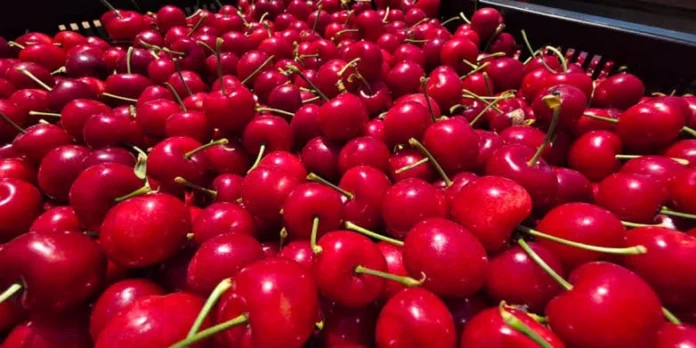
The coming year will likely see a substantial increase in overall production volumes, driven by expanded irrigation systems, advanced farming techniques, and significant government support. Fruits, in particular, are expected to lead this surge, with iconic Algerian specialties like dates continuing to dominate the market while enjoying even greater yields. The country’s vast palm groves, already among the world’s most productive, will benefit from improved water management and sustainable practices, resulting in richer, sweeter dates that appeal to health-conscious consumers worldwide. Alongside dates, citrus fruits such as oranges, lemons, and mandarins will flourish, thanks to ideal Mediterranean conditions and new varieties that offer superior taste and resistance to challenges. These developments will ensure that Algerian citrus remains a staple in households across the country, providing fresh, vitamin-rich options that contribute to better public health and nutrition.
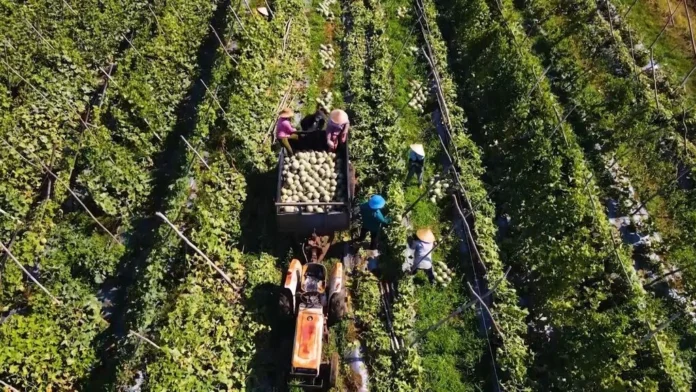
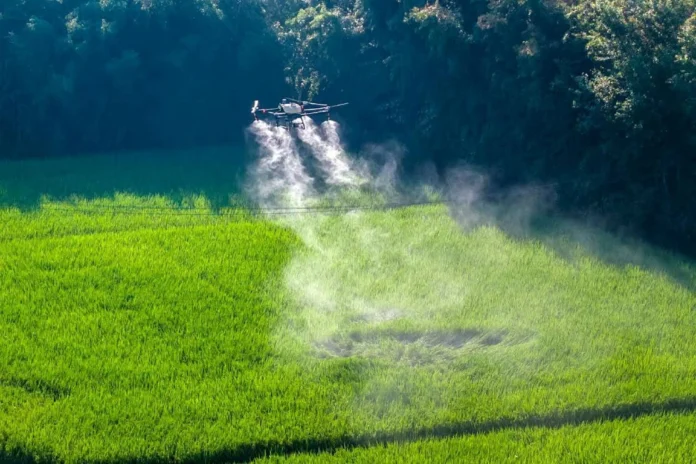
Vegetables are set to experience equally impressive gains in 2026, with staples like tomatoes, potatoes, onions, and peppers reaching new heights in both quantity and quality. Greenhouse cultivation, which has expanded rapidly in recent years, will play a pivotal role, allowing year-round production and protecting crops from seasonal variations. This approach not only boosts output but also enhances flavor and nutritional value, making Algerian vegetables increasingly desirable for everyday meals. Early potatoes from the southern regions, known for their tenderness and appeal, will see higher volumes, supplying markets efficiently and supporting a diverse culinary tradition that celebrates fresh, local ingredients. The integration of modern technologies, including precision agriculture and efficient resource use, will further elevate these crops, ensuring minimal waste and maximum freshness from farm to table.
Export prospects for 2026 appear particularly bright, positioning Algeria as an emerging powerhouse in regional and international trade. With growing demand for high-quality, naturally grown produce in Europe, Africa, and beyond, Algerian fruits and vegetables will find eager markets, generating substantial revenue and strengthening economic ties. Dates, already a flagship export, will reach even more countries, delighting consumers with their natural sweetness and versatility in healthy diets. Citrus and other fruits will follow suit, capitalizing on proximity to key markets and competitive advantages in freshness and affordability. Vegetables, too, will contribute significantly, with off-season supplies filling gaps in neighboring regions and earning praise for their robust flavors and reliability. This export boom will not only diversify the economy but also create thousands of jobs in packing, logistics, and related industries, fostering prosperity in rural communities.
Sustainability remains a cornerstone of this positive trajectory, with 2026 marking further advances in eco-friendly farming that preserve Algeria’s precious resources while boosting productivity. Investments in water-saving irrigation, organic methods, and soil enhancement will yield healthier crops and a lighter environmental footprint, appealing to a global audience that values responsible production. Farmers across the country are embracing these innovations with enthusiasm, leading to richer soils, reduced inputs, and produce that stands out for its purity and taste. This commitment to green practices will ensure long-term viability, allowing future generations to enjoy the same bountiful harvests while contributing to broader goals of food security and climate resilience.
On the domestic front, the abundance expected in 2026 will translate into greater accessibility and affordability for Algerian families, promoting healthier lifestyles amid rising awareness of nutrition’s importance. Markets and supermarkets will overflow with vibrant, locally grown options, encouraging meals centered on fresh fruits and vegetables that support well-being and cultural traditions. This plentiful supply will also inspire culinary creativity, from traditional dishes enhanced by superior ingredients to new recipes that highlight the sector’s diversity. As consumption patterns continue to favor natural, wholesome foods, the industry will respond with even more variety, including premium and specialty items that cater to evolving tastes.
The economic impact of this thriving sector in 2026 cannot be overstated, as it will drive growth across interconnected areas, from transportation and storage to processing and retail. Cold chain improvements and modern facilities will preserve quality longer, reducing losses and maximizing value for producers and consumers alike. Young entrepreneurs and startups will find fertile ground in agribusiness, innovating with value-added products like juices, dried fruits, and ready-to-eat options that extend the reach of Algerian produce. This dynamic ecosystem will reinforce the nation’s journey toward self-sufficiency, reducing reliance on imports while showcasing the potential of its agricultural heritage.
Looking ahead, the fruit and vegetable sector in Algeria embodies a story of optimism and achievement, where dedication and forward-thinking strategies converge to create lasting benefits. In 2026, the fields and orchards will yield not just crops, but opportunities, health, and pride for a nation that continues to nurture its land with care and ambition. This promising horizon reflects the bright potential of Algerian agriculture, ready to deliver abundance and inspiration for years to come.