Arabfields, Sophia Daly, Financial Analyst specialized in Agriculture and Futures Markets — As Algeria steps confidently into 2026, the nation’s economic landscape is undergoing a transformative shift, one that places agriculture at the forefront of its non-hydrocarbon export strategy. Long recognized for its vast energy resources, the country is now harnessing its fertile lands, innovative farming techniques, and strategic investments to propel a vibrant agricultural sector onto the global stage. This evolution promises not only to diversify the economy but also to establish Algeria as a powerhouse in high-quality food exports, with 2026 poised to mark a landmark year of unprecedented growth and opportunity.
The journey toward this agricultural renaissance has been building momentum in recent years, driven by forward-thinking government policies and substantial financial commitments. With a dedicated agriculture budget reaching impressive heights, resources are flowing into modernization efforts, advanced irrigation systems, and expanded cultivation areas across the country’s diverse regions. These initiatives are yielding remarkable results, particularly in the production of premium crops that are increasingly sought after in international markets. From the sun-drenched oases producing world-renowned dates to the rolling fields cultivating olives and fresh fruits, Algeria’s agricultural output is becoming synonymous with excellence, sustainability, and reliability.
In 2026, projections indicate a substantial leap in non-hydrocarbon exports, with the agricultural domain leading the charge. Experts anticipate that exports in this sector will surge significantly, potentially doubling previous figures and contributing billions to the national economy. Dates, Algeria’s flagship product and a global favorite for their superior taste and quality, are expected to dominate headlines once again. The iconic Deglet Nour variety, prized for its golden hue and exquisite sweetness, will likely see export volumes soar, reaching new markets in Europe, Asia, and beyond. Enhanced packaging, improved cold-chain logistics, and targeted marketing campaigns are set to elevate these exports to record levels, bringing in hundreds of millions in revenue while showcasing Algerian craftsmanship on the world stage.
Beyond dates, the olive sector is emerging as another star performer, with olive oil and table olives gaining traction for their rich flavor profiles and health benefits. Algeria’s Mediterranean climate provides ideal conditions for olive groves that produce oils rivaling the finest from traditional producers. In 2026, increased plantation yields, coupled with investments in state-of-the-art pressing facilities, will enable a flood of premium olive products into demanding markets, fostering long-term trade partnerships and boosting foreign currency inflows. Similarly, fresh fruits such as citrus, figs, and pomegranates, along with a growing array of vegetables including tomatoes, potatoes, and onions, are forecasted to experience explosive growth in exports. These products, grown with an emphasis on organic practices and water-efficient methods, appeal to health-conscious consumers worldwide, positioning Algeria as a reliable supplier in an era of increasing demand for nutritious, sustainably sourced foods.
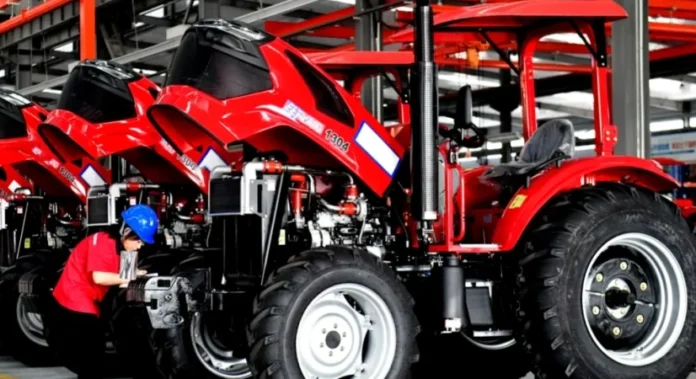
This optimistic outlook for 2026 is underpinned by several key factors that align perfectly to accelerate growth. Government incentives for farmers, including subsidies for modern equipment and access to high-yield seeds, are empowering a new generation of agricultural entrepreneurs. Infrastructure developments, such as expanded ports and streamlined customs procedures, ensure that perishable goods reach international buyers in peak condition, minimizing waste and maximizing value. Moreover, bilateral trade agreements and participation in global expos are opening doors to untapped markets, allowing Algerian producers to connect directly with importers eager for diverse, high-quality offerings. Climate-resilient farming techniques, adapted to the country’s varied terrain, are also proving effective, ensuring consistent harvests even in challenging conditions and building investor confidence.
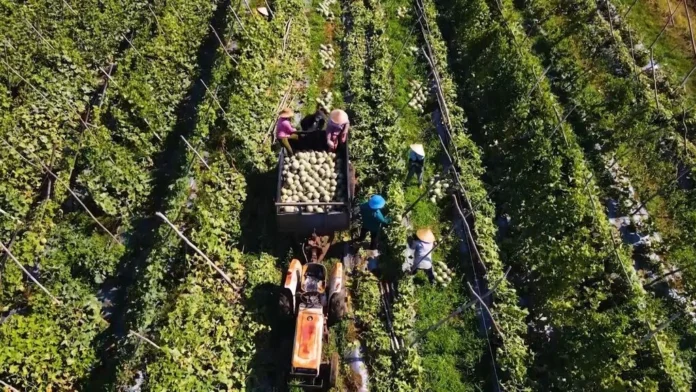
The ripple effects of this agricultural export boom extend far beyond trade balances, touching every corner of Algerian society in profoundly positive ways. Rural communities, often the backbone of farming traditions, are experiencing renewed vitality through job creation and higher incomes. Young people are increasingly drawn to agribusiness opportunities, blending ancestral knowledge with digital tools like precision agriculture and e-commerce platforms to innovate and expand. This not only stems urban migration but also fosters inclusive growth, empowering women and smallholder farmers who play vital roles in production chains. On a national scale, the surge in non-hydrocarbon revenues strengthens economic resilience, reducing vulnerability to fluctuating energy prices and paving the way for sustained development in education, healthcare, and infrastructure.
Environmentally, the focus on sustainable agriculture in 2026 highlights Algeria’s commitment to responsible stewardship. Initiatives promoting soil conservation, efficient water use, and biodiversity are enhancing productivity while preserving natural resources for future generations. Solar-powered irrigation in arid zones and agroforestry projects are turning vast landscapes into productive assets, demonstrating how environmental care can coexist with economic ambition. These efforts resonate globally, attracting partnerships with international organizations and private investors who share a vision for green growth.
Looking ahead through the lens of 2026, Algeria’s non-hydrocarbon exports, spearheaded by agriculture, represent more than economic metrics, they embody a story of renewal and potential realized. The country’s ability to transform its natural advantages into global competitive strengths is inspiring, setting a model for resource-rich nations seeking diversification. With unwavering dedication to innovation, quality, and market expansion, Algeria is on track to achieve export milestones that will echo for years to come, solidifying its place as a dynamic player in the international agricultural arena. The future is bright, abundant, and distinctly Algerian, promising prosperity that benefits the nation and delights consumers around the world.