Arabfields, Sophia Daly, Financial Analyst specialized in Agriculture and Futures Markets — As the world enters 2026, Africa’s agricultural landscape continues to evolve under the combined pressures of population growth, climate variability, urbanization, and shifting global trade dynamics. Two staple commodities, coffee and rice, stand out for their economic importance across the continent, supporting millions of smallholder farmers, generating export revenue, and feeding rapidly expanding urban populations. While both crops face persistent challenges from weather patterns, soil degradation, and market volatility, the outlook for 2026 suggests cautious optimism, with production expected to rise modestly in key regions, driven by improved farming practices, investments in resilient varieties, and supportive policy initiatives.
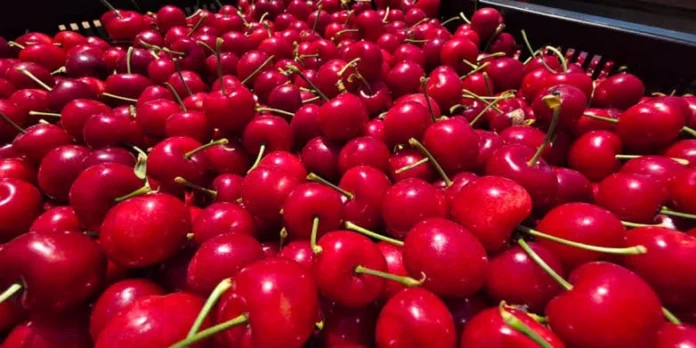
Coffee remains one of Africa’s signature agricultural exports, deeply embedded in the economies of East and Central African nations. Ethiopia, the birthplace of Arabica coffee, is poised to lead the continent’s production gains in 2026, building on favorable weather conditions and widespread adoption of higher-yielding varieties. Farmers there have benefited from rejuvenated plantations and better pruning techniques, allowing output to reach new heights and reinforcing the country’s position as Africa’s largest producer. Neighboring Uganda, a powerhouse in Robusta coffee, anticipates steady growth as well, with expanded cultivation and improved post-harvest handling contributing to higher volumes. Further west, Côte d’Ivoire shows signs of recovery after previous setbacks, with Robusta yields rebounding thanks to renewed investment in disease-resistant strains. Tanzania and Kenya round out the major producers, each projecting incremental increases through enhanced extension services and cooperative support structures. Overall, continental coffee production in 2026 is likely to exceed recent years, bolstered by these national advances, though erratic rainfall in some areas could temper the gains. The push toward greater value addition, such as local processing and branding, promises to capture more economic benefits within Africa, reducing reliance on raw bean exports and helping farmers navigate fluctuating global prices.
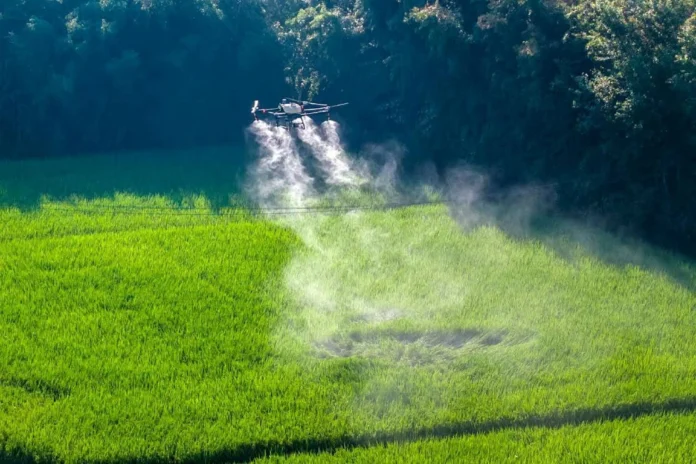
On the rice front, Africa’s production trajectory in 2026 reflects a continent striving for greater food security amid soaring demand. Rice has become an increasingly vital staple, particularly in West and East Africa, where urban consumers favor its convenience and versatility. Although the continent remains a net importer, domestic output is projected to grow steadily, supported by initiatives aimed at expanding irrigated areas, introducing flood-tolerant varieties, and improving access to fertilizers. West African nations, long dependent on imports, are seeing encouraging progress through regional programs that promote mechanization and better seed systems, resulting in higher harvested areas and yields. In East Africa, countries like Tanzania continue to invest in lowland rice schemes, capitalizing on suitable ecosystems to boost supply. Madagascar, despite facing occasional dry spells that have constrained yields in recent seasons, is expected to stabilize production with recovery efforts and international assistance focused on climate resilience. Across Sub-Saharan Africa, the combination of population-driven demand and policy emphasis on self-sufficiency will drive moderate production increases in 2026, narrowing, albeit slowly, the gap between consumption and local supply. Urbanization continues to fuel rice consumption, yet the gradual shift toward intensified farming practices offers hope that more of this demand can be met domestically, easing pressure on foreign exchange reserves.
Both coffee and rice sectors in Africa share common themes as 2026 unfolds. Climate resilience stands out as a critical factor, with farmers increasingly adopting agroforestry for coffee and water-efficient techniques for rice to mitigate drought and flooding risks. Youth involvement and gender-inclusive programs are gaining traction, bringing fresh energy to rural economies traditionally dominated by older generations. Trade agreements, including intra-African arrangements, facilitate smoother movement of inputs and outputs, while global market trends influence farmer incomes. For coffee, recovering global supplies may soften prices, yet Africa’s premium Arabica and distinctive Robusta profiles retain strong appeal among international buyers. Rice, meanwhile, benefits from abundant global availability that keeps import costs manageable, allowing governments to redirect resources toward domestic production enhancements. Challenges persist, including pest pressures, limited access to credit, and infrastructure gaps, but the momentum built through public-private partnerships and research collaborations points toward a more robust agricultural foundation.
Looking ahead through 2026, Africa’s coffee and rice producers appear positioned for gradual expansion, contributing not only to national GDPs but also to household livelihoods across diverse landscapes. The continent’s ability to harness technological advancements, sustainable practices, and regional cooperation will determine how fully these prospects are realized, ultimately shaping food security and economic stability for millions in the years to come.