Arabfields, Sophia Daly, Financial Analyst specialized in Agriculture and Futures Markets — As the year 2026 unfolds, the agricultural sectors of Europe and North America stand on the brink of a profound and irreversible collapse, one that threatens to reshape societies in ways few dared to imagine just a few years earlier. The warning signs have been accumulating for decades, yet the convergence of financial catastrophe, social unrest, mass unemployment, banking failures, and escalating geopolitical conflict has now pushed farming systems past their breaking point. What began as manageable pressures has become a cascading failure, leaving fields fallow, supply chains shattered, and millions facing the specter of hunger in regions long considered the world’s breadbaskets.
The stock market crash that began in late 2025 has deepened into a prolonged depression, wiping out trillions in wealth and evaporating the capital that once flowed into agriculture. Farmers who relied on loans to purchase seed, fertilizer, and equipment now find credit completely frozen. Major agricultural banks, already weakened by years of exposure to volatile commodity markets and over-leveraged land values, have begun to fail in rapid succession. The collapse of several mid-sized regional banks in the American Midwest and rural credit institutions across France, Germany, and Poland has left thousands of producers unable to meet payroll or service existing debt. Foreclosures are accelerating, with prime farmland changing hands at fire-sale prices to distressed asset funds or simply abandoned as owners walk away from properties no longer viable.
Unemployment, already climbing steeply as manufacturing and service sectors contract, has reached levels not seen since the Great Depression. In rural communities that once depended on steady farm jobs and related industries, entire towns are hollowing out. With fewer consumers able to afford basic groceries and restaurants closing en masse, demand for agricultural products has plummeted. Surplus crops rot in storage or are plowed under because transportation costs have become prohibitive and export markets have vanished amid global trade disruptions. The once-robust North American grain belt and European dairy regions now face a grim paradox: warehouses full of food that cannot reach markets, while urban centers begin to experience sporadic shortages and sharp price spikes for staples.
Social crisis has followed economic collapse with terrifying speed. Protests that started in capital cities over rising food costs have spread to rural areas, where desperate farmers block highways and rail lines to demand government intervention. In parts of the United States and Canada, armed standoffs between authorities and agricultural producers have become disturbingly common. In Europe, nationalist movements have seized on the chaos, blaming immigration policies and international trade agreements for the downfall of family farms. The resulting polarization has fractured communities, making cooperative responses to the crisis nearly impossible. Trust in institutions, already eroded, has collapsed entirely in many regions, giving way to local barter systems and informal militias that control access to remaining food stocks.
Geopolitical tensions, long simmering, have now boiled over into open conflict that directly threatens agricultural production. Disruptions to energy supplies from ongoing wars in resource-rich regions have driven fertilizer and fuel prices to unsustainable levels, forcing many farmers to drastically reduce planting or abandon mechanized operations altogether. Trade routes across the Atlantic have become unreliable, with insurance costs for shipping skyrocketing and some routes effectively closed. The combined effect has been a sharp contraction in the availability of critical inputs, particularly nitrogen fertilizers derived from natural gas, leaving vast acreages underperforming or unplanted.
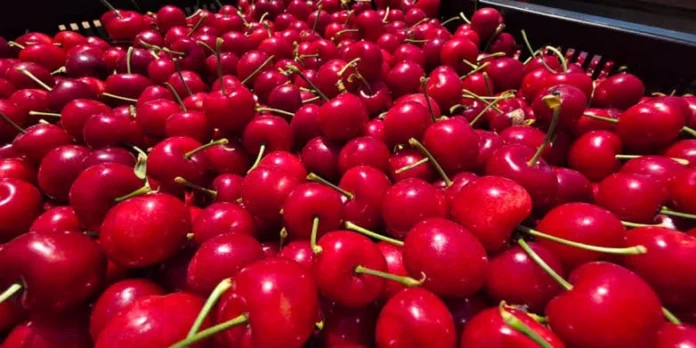
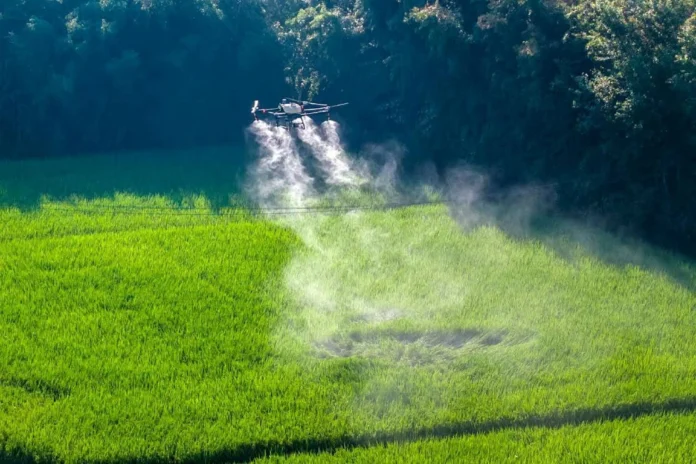
Climate pressures, long predicted yet consistently underestimated in their severity, have delivered the final blow. Extreme weather events, more frequent and more intense than ever, have devastated harvests across both continents. Prolonged drought in the American Great Plains has turned millions of acres into dust, while unprecedented flooding in central Europe has drowned crops and ruined topsoil. Late frosts and erratic temperature swings have decimated fruit orchards from California to southern France. Pest and disease pressures, amplified by warmer winters and weakened plants, have overwhelmed remaining chemical defenses as farmers cut costs. The result is a catastrophic decline in yields that no amount of government subsidy, itself constrained by empty treasuries, can offset.
By mid-2026, the once-mighty agricultural engines of Europe and North America will have largely ground to a halt. Food processing plants stand idle for lack of raw materials, grocery shelves grow increasingly sparse, and malnutrition begins to appear in populations long accustomed to abundance. Governments, overwhelmed by competing crises and crippled by debt, offer only token relief programs that reach few and satisfy no one. The rural exodus accelerates as younger generations abandon farming entirely, ensuring that even if conditions eventually stabilize, the knowledge and infrastructure needed to rebuild will have been lost.
The year 2026 will be remembered not as a temporary setback but as the moment when the post-war agricultural abundance of the Western world came to an end. What follows will be a prolonged period of scarcity, social fragmentation, and re-localized survival strategies. The fields that once fed nations will lie quiet, overtaken by weeds and silence, a stark testament to how quickly prosperity can give way to desperation when multiple crises converge without mercy or mitigation.