Arabfields, Sophia Daly, Financial Analyst specialized in Agriculture and Futures Markets — As 2026 unfolds, China stands at the threshold of an extraordinary transformation in agriculture, where cutting-edge technology converges with centuries-old farming traditions to create a future of abundance, sustainability, and global leadership. The nation’s vast fields, once reliant on labor-intensive methods, are rapidly evolving into intelligent, highly efficient ecosystems that promise not only food security for 1.4 billion people but also a model for the world. This convergence of agriculture and technology paints an unequivocally bright picture, one defined by innovation, resilience, and unprecedented growth.
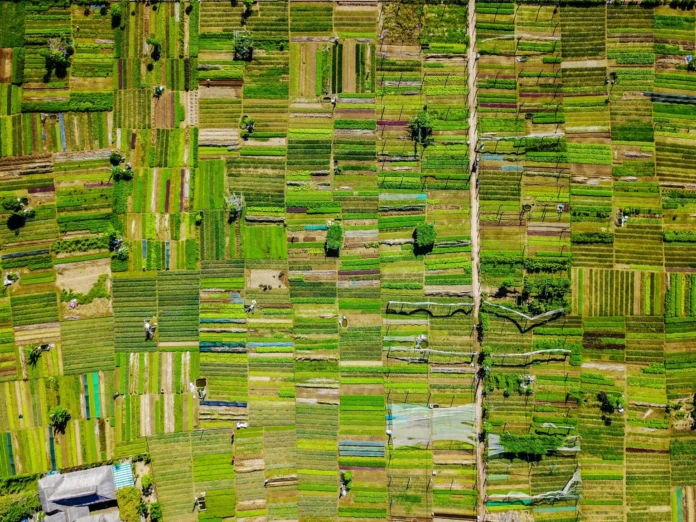
The integration of artificial intelligence into every facet of farming has reached a remarkable maturity by this year. AI systems now analyze soil composition, weather patterns, and crop health in real time, enabling farmers to make decisions with precision that was unimaginable a decade ago. Predictive algorithms optimize planting schedules, forecast yields with near-perfect accuracy, and minimize waste, resulting in harvests that consistently exceed expectations. Across the North China Plain, vast wheat and corn fields benefit from these systems, producing bountiful crops while using far fewer resources. This intelligent approach ensures that China continues to feed its population comfortably, while freeing up land and labor for higher-value activities.
Drones have become ubiquitous companions in rural landscapes, soaring over rice paddies and orchards to monitor growth, detect pests early, and apply fertilizers and pesticides with pinpoint accuracy. This technology drastically reduces chemical runoff, protects biodiversity, and preserves precious water resources in regions historically prone to drought. In southern provinces, drone fleets operate autonomously, guided by satellite networks and 5G connectivity, turning what were once challenging terrains into highly productive zones. The result is healthier soil, cleaner rivers, and crops that thrive under careful, technology-enhanced stewardship.
Vertical farming and controlled-environment agriculture are expanding at an impressive pace in urban and peri-urban areas, bringing fresh produce closer to consumers and reducing transportation emissions. Towering facilities in cities like Shanghai and Beijing grow leafy greens, berries, and even staple vegetables year-round, using LED lighting, hydroponics, and automated nutrient delivery systems. These innovations not only supplement traditional farmland but also create new jobs in technology management and maintenance, attracting young talent back to agriculture-related careers. By 2026, these urban farms contribute meaningfully to national output, ensuring that fresh, nutritious food reaches millions of households with minimal environmental impact.
Biotechnology continues to play a pivotal role, with new varieties of drought-resistant rice, pest-resistant cotton, and nutrient-enriched grains entering widespread cultivation. These scientifically developed seeds, combined with gene-editing techniques, deliver higher yields and greater climate resilience without compromising safety or quality. Farmers in central and western provinces report consistently stronger harvests, even in variable weather conditions, reinforcing China’s position as a global leader in agricultural biotechnology. This progress supports both domestic needs and expanding export markets, where Chinese produce is increasingly prized for its reliability and excellence.
The Internet of Things connects millions of sensors across farmland, creating a nationwide network that monitors everything from soil moisture to livestock health. Smart irrigation systems conserve water intelligently, livestock farms use wearable devices to track animal well-being, and supply chains benefit from seamless traceability that builds consumer trust. Blockchain platforms ensure transparency from seed to table, reducing fraud and enhancing food safety standards that already rank among the world’s highest. These interconnected systems operate smoothly, delivering efficiency gains that translate directly into higher incomes for rural households and stronger economic contributions from the agricultural sector.
Government support remains a powerful catalyst, with substantial investments flowing into research centers, demonstration farms, and training programs that equip farmers with digital skills. Rural infrastructure, including high-speed internet and renewable energy microgrids, now reaches even remote villages, leveling the playing field and enabling widespread adoption of advanced tools. This harmonious blend of policy vision and technological capability creates an environment where innovation flourishes naturally, and every participant in the agricultural value chain prospers.
Looking across the horizon of 2026, the outlook is radiant. Production records continue to rise, rural incomes grow steadily, environmental indicators improve year after year, and China’s agricultural sector emerges as a global benchmark for sustainable abundance. Technology does not merely enhance farming, it redefines it, turning challenges into opportunities and aspirations into reality. The fields of China bloom brighter than ever, nourished by human ingenuity and digital precision, promising a future where prosperity and harmony with nature advance hand in hand.