Arabfields, Sana Dib, Financial Correspondent, Johannesburg, South Africa — South African farmers are heading into the festive season facing an unpredictable agricultural market, as weaker consumer purchasing power, rising import competition and increasingly volatile weather conditions threaten to affect demand, production and farm profitability.
Although December traditionally provides a boost to agricultural sales, particularly for fresh fruit, vegetables and meat products, industry representatives warn that this year’s seasonal demand may not translate into stronger earnings for local producers.
For farmers supplying fresh produce markets, the outlook is particularly mixed. Coastal markets are expected to benefit from increased holiday activity, while inland trading centres, especially in Gauteng, could experience slower demand as residents travel to coastal destinations.
Hendrik Eksteen, chief executive of Grow Fresh Produce Agents, said consumer behaviour was becoming increasingly cautious, with households paying closer attention to food prices and reducing the quantities they purchase.
Summer fruit, including grapes, mangoes, peaches and watermelons, normally records stronger sales during December. However, producers may struggle to benefit fully from seasonal demand if adverse weather conditions affect product quality and availability.
Weather-related uncertainty has become another major concern. The influence of a developing El Niño pattern is raising questions about production conditions during the 2026/27 agricultural season. Higher temperatures and potentially below-average rainfall could affect yields, increase irrigation requirements and place additional pressure on farming operations.
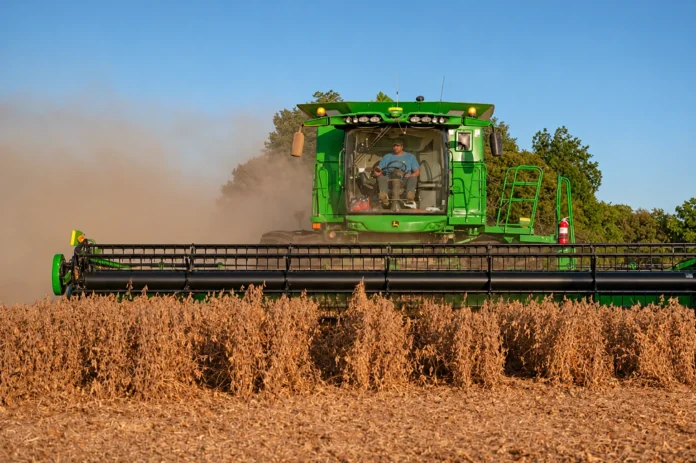
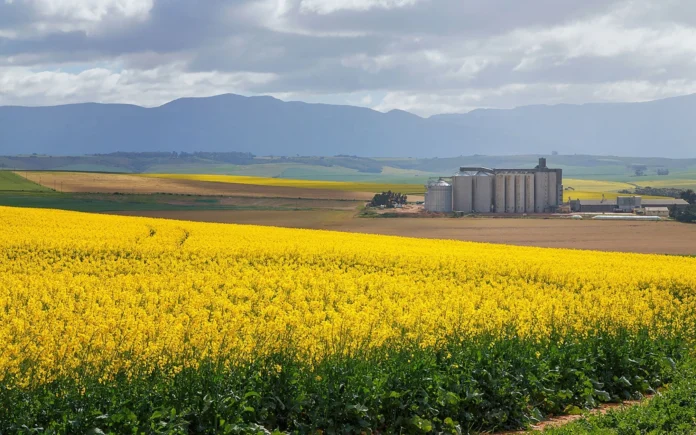
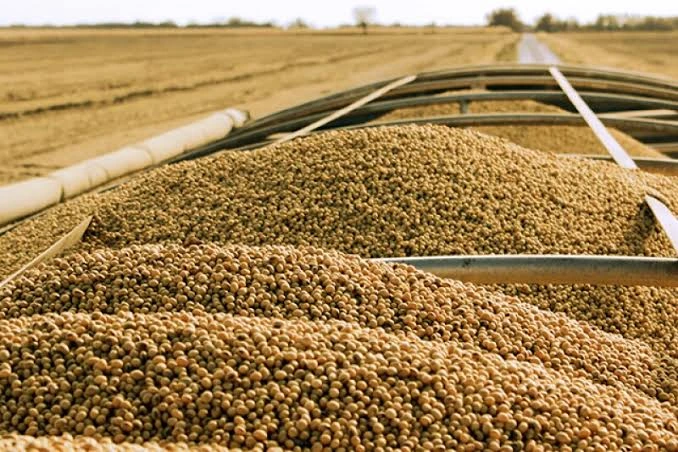
The broader agricultural outlook nevertheless offers some encouraging signs. South Africa’s summer grain and oilseed harvest for the 2025/26 season is estimated at a record 21.6 million tonnes, approximately 5% above the previous season. Strong supplies have helped contain food prices and reduce some production costs.
Annual consumer food inflation stood at 0.7% in August 2026, compared with 0.6% in July, indicating that food price pressures remained relatively subdued despite the first signs of an upward movement.
For consumers, lower food inflation could provide some relief during the festive period. For farmers, however, relatively affordable food does not necessarily mean improved financial returns, particularly when production expenses remain high and competition intensifies.
The pork industry is also preparing for a challenging but potentially favourable December trading period. Consumption traditionally increases towards the end of the year as households prepare for family gatherings and celebrations.
Marlene Louw, chief executive of the South African Pork Producers’ Organisation, indicated that local producers could benefit from stronger seasonal demand. However, the sharp increase in imported pork products during 2026 has created additional pressure on domestic prices.
Pork imports increased by approximately 149% during the first five months of 2026 compared with the corresponding period in 2025, reflecting supply disruptions and changing market conditions.
The availability of competitively priced imported products has made pork an attractive option for households looking for relatively affordable alternatives to other animal proteins. Nevertheless, local farmers face the risk that higher consumption will primarily benefit retailers and importers rather than domestic producers.
The South African rand’s relative strength, combined with lower international pork prices, could continue to encourage imports during the final weeks of the year.
Market projections suggest that pork prices could average R35.55/kg for porkers and R36.19/kg for baconers in 2026, with further moderate increases expected in 2027. These projections indicate that the sector may retain some pricing support, although stronger imports could limit the benefits for local producers.
For consumers, the situation could offer opportunities to purchase meat at relatively competitive prices. For smaller pig farmers, however, maintaining profitability will depend increasingly on production efficiency, feed management and the ability to compete with imported products.
The outlook for beef and sheep producers is also being shaped by different market forces. Improved grazing conditions and lower feed costs have encouraged some livestock farmers to rebuild their herds, reducing the number of animals immediately available for slaughter.
Disease-related disruptions, particularly foot-and-mouth disease, have also affected livestock movements and export opportunities. Beef exports declined significantly during the first seven months of 2026, placing additional pressure on producers seeking access to international markets.
Nevertheless, medium-term price forecasts remain relatively positive. Average Class A beef prices are projected to reach R64.46/kg in 2026, rising to R65.12/kg in 2027. Class A sheep meat prices are forecast to increase from R105.59/kg in 2026 to R107.11/kg the following year.
These projections suggest that tighter livestock supplies could continue supporting producer prices, although household affordability and disease management will remain important factors.
For farmers such as those operating smaller family-owned businesses, the immediate challenge is balancing production costs with uncertain selling prices. A strong festive market may provide additional revenue, but poor-quality harvests, delayed deliveries or unexpected price movements could quickly reduce expected margins.
Looking ahead, the agricultural sector is likely to experience contrasting conditions during the first half of 2027. If El Niño-related weather risks materialise, reduced rainfall could affect grain production and increase feed costs for livestock and poultry producers. Such developments may eventually translate into higher food prices.
Conversely, continued strong grain supplies, effective disease control and stable international markets could help limit production pressures and support a gradual recovery in agricultural profitability.
For now, the festive season represents both an opportunity and a risk for South African agriculture. Producers may benefit from stronger demand for seasonal products, but the extent of those gains will depend on consumers’ spending capacity, weather conditions and competition from imported food.
As households prepare for year-end celebrations, farmers are hoping that increased market activity will translate into sustainable returns rather than simply higher sales volumes. The coming months will be crucial in determining whether the sector can maintain its recovery while preparing for the uncertainties of the next agricultural season.