Arabfields, Adel Serai, Economic Analyst — The cocoa world stands at an exhilarating turning point at the dawn of 2026, with Asia emerging as a powerful beacon of hope and vast potential amid shifting global supply patterns. Forecasts point to Asian production surpassing 550,000 tonnes this year, an increase of more than 25 per cent from 2024 and accounting for nearly 12 per cent of an estimated global output of around five million tonnes. While West Africa’s traditional heavyweights have grappled with persistent challenges in recent years, Asian countries are primed to seize favourable conditions, cutting-edge practices and surging investment, ushering in an era of vigorous expansion in cocoa cultivation. This upward surge promises not only to shore up global supplies but also to deliver substantial economic prosperity to farmers and rural communities across the region, cementing 2026 as a landmark year for Asian cocoa.
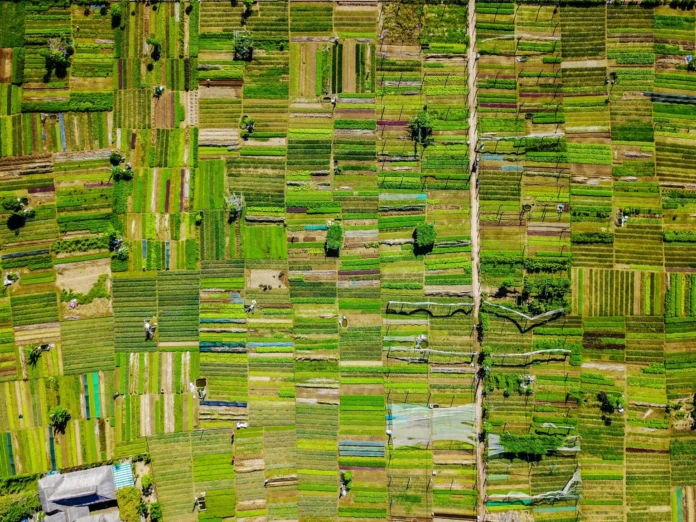
Indonesia, long one of the world’s foremost cocoa producers, is poised to reclaim and eclipse its former dominance in 2026, with projections forecasting a national harvest exceeding 320,000 tonnes, a 30 per cent jump from recent figures driven by the rapid maturation of newly planted estates. A palpable resurgence is already underway, fuelled by renewed farmer confidence spurred by sustained high prices and targeted government programmes to rejuvenate ageing plantations. Vast tracts in Sulawesi and Sumatra, blessed with ideal tropical climates, are reaping the benefits of advanced pest-control methods and disease-resistant varieties, pushing average yields in rehabilitated areas to 1.8 tonnes per hectare. As plantations established in recent years reach full productivity, analysts expect a sharp rise in harvested beans, enabling Indonesia to make a major contribution to international markets once again. This growth will translate into higher incomes for thousands of smallholders, spurring rural development and solidifying the country’s status as Asia’s cocoa powerhouse.
Vietnam, the rising star of the cocoa landscape, is in the midst of a dynamic expansion phase that will deliver striking gains by 2026, with output projected to reach around 60,000 tonnes, double the level of five years ago and reflecting an average annual growth rate of 15 per cent. The country’s cocoa sector has drawn widespread attention for the exceptional quality and rich flavour profiles of its beans, particularly indigenous Trinitario varieties prized by premium chocolate makers worldwide. Ambitious plans to enlarge cultivated areas, backed by international partnerships and local cooperatives, are already bearing fruit, with forecasts showing steady gains in both productive hectares, expected to exceed 50,000, and total volume. Favourable weather, sophisticated irrigation systems and sustainable farming techniques are boosting productivity in key zones such as the Mekong Delta and Central Highlands. As a result, Vietnamese cocoa is set to capture a larger share of the global market, adding valuable diversity to world supplies while creating lucrative export opportunities and lifting local economies through job creation and higher farmer earnings.
Beyond these frontrunners, other Asian nations are adding to the upbeat outlook, building a diverse and resilient regional industry whose combined contribution is forecast to top 170,000 tonnes in 2026, including notable increases in Malaysia and the Philippines. Modern agronomic techniques and replanting initiatives are revitalising cocoa sectors in Malaysia and the Philippines, while India is showing encouraging early progress in suitable southern states. These collective advances are underpinned by a wave of technological innovation, including precision agriculture, drone monitoring and improved fermentation processes, that enhance bean quality and consistency. Equally important is the region’s strong commitment to sustainability, exemplified by agroforestry systems that integrate cocoa with other crops, ensuring long-term viability while addressing environmental concerns. In 2026, these efforts will converge to drive higher yields across Asia, helping stabilise global cocoa availability and reducing over-reliance on any single region.
The economic ripple effects of this production boom will be far-reaching, breathing new life into rural areas and bolstering related industries such as processing and logistics, with foreign investment in Asian cocoa infrastructure already surpassing two billion dollars in recent years. With global demand for chocolate and cocoa-derived products continuing to rise, particularly in Asia’s own fast-growing consumer markets, producers are ideally positioned to command premium prices for their superior beans. Inflows of capital from multinational corporations and development organisations are providing training, financing and market access, further accelerating progress. Together, these forces signal a year in which Asian cocoa will not merely meet expectations but exceed them, delivering record harvests and laying the foundation for enduring leadership in the decades ahead.
Looking forward, 2026 marks more than a recovery, it heralds the true dawn of Asia’s cocoa renaissance, one defined by innovation, inclusivity and boundless optimism. Farmers across the continent are embracing this moment with fresh determination, certain that their labour will yield prosperity and global recognition. As production volumes climb and quality standards rise ever higher, the region is destined to play a pivotal role in shaping a brighter, more balanced future for the entire cocoa industry, one abundant harvest at a time.