Arabfields, Maleeka Kassou, East, West & Central Africa Agriculture Correspondent — Côte d’Ivoire, the world’s leading producer of cocoa, responsible for roughly forty percent of global supply, continues to grapple with a profound and multifaceted crisis in its cocoa sector that shows few signs of swift resolution. The nation has long been the backbone of the international chocolate industry, yet a combination of environmental pressures, structural vulnerabilities, and market volatility has pushed the sector into uncharted territory, affecting millions of livelihoods and sending ripples through global commodity markets. Farmers, exporters, and regulators alike face mounting challenges as production struggles to recover from consecutive poor harvests, while logistical bottlenecks and quality concerns further complicate the outlook. This crisis, which deepened dramatically in recent years, remains a defining feature of the Ivorian economy in early 2026, with no immediate end in sight.
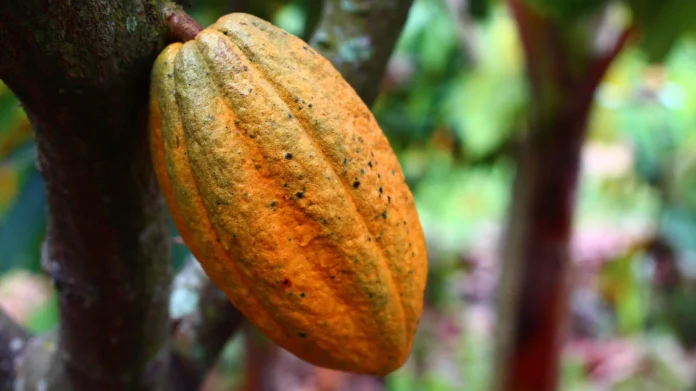
The roots of the current difficulties lie in a perfect storm of adverse factors that have converged over the past several seasons. Extreme weather patterns, exacerbated by climate change, have delivered erratic rainfall, prolonged dry spells, and intense harmattan winds that stress cocoa trees and reduce pod development. Excessive rain in some periods has fostered the spread of fungal diseases such as black pod, while drought conditions have caused trees to abort cherries before they mature. Perhaps most insidious is the swollen shoot virus disease, a viral infection that has ravaged vast swaths of cocoa farmland, rendering infected trees unproductive and requiring their removal. Aging orchards compound these problems, as many cocoa trees in Côte d’Ivoire are decades old, well past their peak productive years, yielding far less than younger, healthier plantations could. Low soil fertility, inadequate access to fertilizers, and limited investment in modern farming techniques have further eroded yields, creating a vicious cycle where farmers struggle to maintain output amid rising costs.
In the ongoing 2025/26 season, these challenges have manifested in uneven port arrivals and persistent supply constraints. Cumulative arrivals at Ivorian ports reached approximately 1.125 million metric tons by mid-January 2026, marking a modest decline compared to the previous year and signaling that the main crop has not fully rebounded from prior deficits. Reports of unusual pile-ups at export hubs highlight logistical strains, with beans accumulating due to slow purchasing by exporters wary of quality issues and elevated farmgate prices. The government’s decision to set a high guaranteed price for farmers, while intended to support rural incomes, has paradoxically slowed sales in some instances, as buyers hesitate amid concerns over bean quality affected by disease and weather stress. Processing activities have also suffered, with some international traders even closing buying centers in key ports, reflecting caution in a market still recovering from historic price volatility.
The human toll of this crisis cannot be overstated. Hundreds of thousands of smallholder farmers, who form the backbone of cocoa production, face acute financial hardship as lower yields translate into reduced incomes, despite periodic spikes in global prices. Many farmers have resorted to smuggling beans across borders in search of better returns, further destabilizing the regulated market. Rural communities dependent on cocoa revenue struggle with limited access to credit, inputs, and technical support, perpetuating poverty cycles that discourage younger generations from entering the sector. Nationally, cocoa exports remain a critical source of foreign exchange for Côte d’Ivoire, and prolonged supply disruptions threaten macroeconomic stability, government revenues, and development programs. On the global stage, chocolate manufacturers have been forced to contend with elevated costs, reformulating products, exploring alternatives, and passing price increases to consumers, reshaping the entire confectionery value chain.
Looking ahead, the trajectory of Côte d’Ivoire’s cocoa sector appears poised between cautious optimism and lingering risk, with outcomes heavily dependent on weather patterns, disease management, and policy implementation. If favorable rainfall continues through the remainder of the 2025/26 season and into the mid-crop, production could see a partial recovery, potentially pushing global supply toward small surpluses by the 2026/27 season as higher past prices incentivize expanded planting and rehabilitation efforts elsewhere. Analysts project that improved harvests in West Africa, combined with modest growth in other producing regions, might ease market tightness, allowing cocoa prices to stabilize in the $5,000 to $6,000 per ton range over the coming year, offering some relief to processors and consumers alike. Sustained investment in replanting programs, coupled with better access to disease-resistant varieties and agroforestry practices, could gradually lift average yields, helping Côte d’Ivoire approach or exceed 2 million tons annually again within the next three to five years.
Yet darker scenarios remain plausible if structural vulnerabilities persist unchecked. Continued climate volatility, with rising temperatures and shifting rainfall patterns, could exacerbate disease outbreaks and further diminish yields from aging trees, leading to renewed deficits as soon as the 2026/27 season. Without accelerated eradication of swollen shoot virus and widespread orchard renewal, production may stagnate or decline further, keeping global stocks tight and driving prices upward toward $7,000 per ton or higher by late 2026. Logistical bottlenecks and quality degradation could worsen if export infrastructure fails to keep pace with recovery attempts, while any resurgence of extreme weather events might trigger another sharp supply shock. In such circumstances, the crisis would deepen, forcing even greater industry adaptation, from increased use of cocoa alternatives to accelerated diversification away from traditional chocolate formulations.
Ultimately, the future of Côte d’Ivoire’s cocoa sector hinges on coordinated action across multiple fronts. Enhanced sustainability initiatives, including direct support for farmers through replanting subsidies, improved extension services, and climate-resilient practices, offer a pathway toward long-term stability. International partnerships and regulatory frameworks aimed at traceability and deforestation-free supply chains could channel investment into orchard rehabilitation, potentially reversing yield declines over the coming decade. However, absent bold reforms and adequate financing, the nation risks prolonged volatility, diminished global market share, and deepening rural hardship. As the world’s chocolate lovers continue to enjoy their treats, the quiet struggle unfolding in Ivorian cocoa fields serves as a stark reminder of the fragility underpinning one of humanity’s most beloved commodities, with the next few seasons likely to determine whether this unprecedented crisis finally abates or evolves into a permanent new reality.