Arabfields, Adel Serai, Economic Analyst — Chocolate was strictly reserved for royalty when the Spanish Conquistadores first brought it to Europe in the 16th century, a luxurious beverage derived from the cacao beans of the ancient Mesoamerican civilizations, where it had been revered for centuries as a divine gift, consumed in bitter, spiced drinks by Aztec emperors and Mayan priests. Over time, this exotic import transformed into a global indulgence, sweetened and solidified into bars that became accessible to the masses during the Industrial Revolution, when innovations in processing made production scalable and affordable, turning what was once an elite privilege into an everyday treat enjoyed by billions around the world. Yet, in recent years, the very foundation of this beloved confection has come under severe strain, as persistent shortages of cocoa beans have driven prices to unprecedented heights, forcing the entire chocolate industry to confront a profound shift that is redefining its trajectory for decades to come.
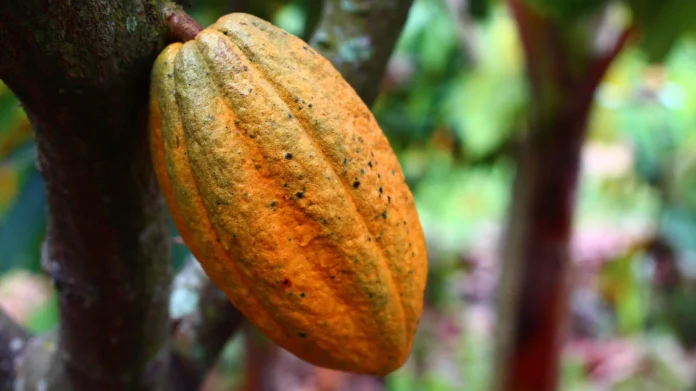
The roots of the current crisis trace back to the delicate ecology of cocoa cultivation, which remains heavily concentrated in West Africa, particularly in countries like Ivory Coast and Ghana that together account for more than sixty percent of global supply. These regions have long provided the bulk of the world’s cocoa, grown on small family farms where trees require specific conditions of humidity, shade, and consistent rainfall to thrive. However, beginning in the early 2020s, a confluence of adverse factors began to erode yields significantly, starting with erratic weather patterns exacerbated by climate change, including prolonged droughts followed by heavy rains that promoted the spread of diseases such as swollen shoot virus and black pod rot. Aging trees, many planted decades ago and now past their prime productive years, compounded the problem, while farmers faced rising costs for fertilizers and labor, often without adequate incentives to replant or maintain their crops. By 2023 and 2024, these issues culminated in severe harvest shortfalls, pushing cocoa prices to soar dramatically, at times tripling or quadrupling from historical averages, and creating a shockwave that rippled through manufacturers, retailers, and consumers alike.
As the shortage intensified through 2024 and into 2025, chocolate companies grappled with skyrocketing input costs, leading to widespread adjustments in product formulations and pricing. Many iconic brands introduced smaller bar sizes or higher prices to offset expenses, while others explored ways to stretch limited cocoa supplies through the incorporation of alternative ingredients or enhanced processing techniques. Consumers, initially startled by the sudden inflation in their favorite treats, adapted in various ways, some shifting to premium artisanal options that emphasized quality over quantity, others opting for cheaper alternatives or reducing consumption altogether. Meanwhile, on the production side, the elevated prices offered a temporary boon to some farmers in West Africa, potentially encouraging investments in better farming practices, though structural challenges like poverty, child labor concerns, and inadequate infrastructure meant that much of the windfall did not fully reach the growers themselves. New regulations, particularly in Europe, demanding deforestation-free sourcing added another layer of complexity, compelling companies to trace supply chains more rigorously and invest in sustainable initiatives to comply.
Looking ahead from early 2026, where cocoa prices have begun to ease somewhat from their peaks, falling to levels around five to six thousand dollars per ton amid signs of improving weather and increased plantings, the industry appears poised for a period of relative stabilization, yet the underlying vulnerabilities suggest that a full return to the low-cost abundance of the past is unlikely. Forecasts indicate that the 2025-2026 season could see supply rebound modestly, with production ramping up as new trees mature and climatic conditions normalize in key growing areas, potentially leading to surpluses that further moderate prices over the coming years. However, experts anticipate that average costs will remain structurally higher than pre-crisis norms, perhaps settling at levels one-and-a-half to two times previous baselines, reflecting ongoing risks from volatile weather and disease pressures. This new equilibrium will likely accelerate the trend toward innovation in chocolate production, where manufacturers increasingly develop reduced-cocoa recipes that maintain familiar tastes through sophisticated blending with natural extenders like nuts, grains, or fruit-derived compounds, allowing for broader accessibility even as pure cocoa becomes a scarcer resource.
In the medium term, spanning the late 2020s and into the 2030s, the chocolate landscape is expected to diversify significantly, with a growing segmentation between mass-market products that rely on hybrid formulations and a thriving premium sector focused on single-origin, high-cocoa-content bars sourced from resilient or diversified growing regions. Efforts in agroforestry, where cocoa trees are integrated with shade-providing crops like mango or timber species, are projected to gain traction, enhancing biodiversity and soil health while buffering against climate extremes, potentially restoring yields in traditional areas and expanding cultivation to new zones less prone to current threats. Technological advancements, including disease-resistant varieties developed through selective breeding or genetic editing, could further bolster supply, offering hope that production might stabilize or even grow modestly if investments from governments and private sectors materialize. Consumer preferences will play a pivotal role here, as awareness of sustainability issues drives demand for ethically produced chocolate, encouraging companies to prioritize fair trade practices that improve farmer livelihoods and reduce deforestation, thereby fostering a more resilient global supply chain.
Further into the future, by the 2040s and beyond, the specter of deeper disruptions looms if climate change progresses unchecked, with models suggesting that rising temperatures and shifting rainfall could render large swaths of current cocoa belts unsuitable, potentially halving viable growing areas by mid-century unless adaptive measures succeed. In response, the industry may embrace even bolder transformations, such as the emergence of lab-grown or fermented cocoa alternatives that replicate the complex flavors of traditional beans without relying on tropical agriculture, or fully cocoa-free confections that mimic chocolate through precision fermentation of plant-based materials. These innovations, already in early development stages, promise to decouple chocolate enjoyment from the vagaries of natural harvests, ensuring that the treat endures in some form even as traditional cocoa becomes a luxury ingredient reserved for special occasions or high-end products. Urban farming techniques, vertical integration, and expanded cultivation in emerging regions like parts of Latin America or Southeast Asia could supplement supplies, creating a more distributed and robust network less vulnerable to regional shocks.
Ultimately, the cocoa shortages of recent years have catalyzed a profound evolution in how chocolate is conceived, produced, and consumed, moving away from an era of unchecked abundance toward one defined by mindful resource management and creative adaptation. While the immediate pain of higher prices and supply constraints may gradually subside with recovering harvests and strategic interventions, the lessons learned will endure, shaping a future where chocolate remains a source of joy, albeit one that reflects greater appreciation for its origins and the fragile balance required to sustain it. This redefinition, born of necessity, holds the potential to make the industry not only more sustainable but also more innovative, ensuring that the rich, comforting allure of chocolate continues to captivate generations to come, adapted to the realities of a changing world. The journey from royal elixir to global staple has been remarkable, and now, amid these challenges, it enters a new chapter, one where resilience and ingenuity promise to preserve its place in human culture for centuries ahead.