Arabfields, Meriem Senouci, Correspondent, Hanoï, Vietnam — In the vast, water-logged expanses of Ca Mau province, at the southern tip of Vietnam, a quiet agricultural transformation is unfolding with profound implications for food security, farmer livelihoods, and environmental sustainability. Farmers who once relied solely on shrimp aquaculture are now reaping substantial rewards by cultivating high-quality rice directly on land previously dedicated to shrimp ponds, creating an integrated rice-shrimp farming system that promises not only immediate profits but also long-term resilience in the face of climate challenges.
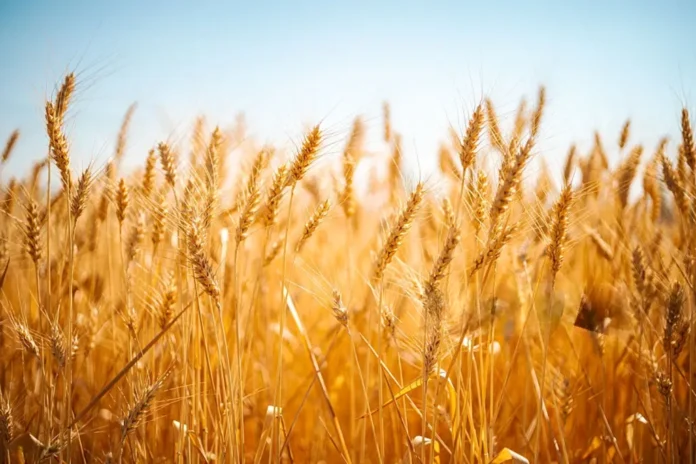
The current harvest season, spanning late 2025 into early 2026, has brought particular joy to communities in places like Vinh Loc and Bien Bach communes. Fields that alternate between rice cultivation and freshwater shrimp rearing are golden with mature stalks ready for harvest, and the hum of combine harvesters fills the air alongside the laughter of farmers who see tangible financial gains after years of experimentation. This model takes advantage of the natural seasonal cycles in the Mekong Delta region, where brackish water gives way to freshwater during certain months, allowing rice to grow vigorously while shrimp thrive in the same ecosystem during other periods.
In Vinh Loc commune, nearly nine thousand hectares have been devoted to this dual-purpose approach for the 2025-2026 season. Farmers have primarily planted two premium varieties, ST24 and BL9, both recognized for their superior quality and suitability for export markets. These varieties command premium prices because they meet stringent international standards for aroma, texture, and purity. Yields have averaged between nine hundred kilograms and one ton per hectare for the rice crop, which, while modest compared to intensive monoculture systems elsewhere, is supplemented significantly by shrimp and fish harvests from the same land. After covering production costs, farmers typically pocket between 4.5 and 5 million Vietnamese dong per hectare from rice alone, with additional income from shrimp sales, where prices range from eighty thousand to one hundred twenty thousand dong per kilogram depending on size and species, pushing total profits considerably higher.
Local leaders emphasize that this integrated approach does more than boost incomes; it actively improves soil health. Years of shrimp monoculture often led to salinization and degradation, but alternating with rice helps flush salts, restore organic matter, and create a more balanced ecosystem. Freshwater shrimp raised alongside the rice face fewer disease risks because the rice plants provide shade and natural filtration, while the shrimp contribute nutrients that benefit the crop. The result is a low-risk, high-reward system that feels almost self-sustaining to those who practice it.
One farmer managing close to three hectares described his recent harvest as transformative: more than twenty tons of rice combined with nearly five hundred kilograms of shrimp, yielding a net profit approaching two hundred million dong after expenses. Compared to traditional single-crop rice farming, which often struggles with fluctuating water levels and market prices, this combined model delivers stability and substantially higher returns. Another farmer noted that the rice grows vigorously, the shrimp remain healthy, and the overall system allows families to prosper without the constant anxiety of disease outbreaks or market crashes that plague pure aquaculture.
Across the province, the scale is impressive. Ca Mau currently dedicates more than ninety-three thousand hectares to rice-shrimp rotation, and agricultural authorities report steadily improving efficiency year after year. Officials point to the model’s ability to buffer against climate risks, such as unpredictable rainfall, rising sea levels, and increasing salinity intrusion, as a key reason for its growing adoption. By maintaining ecological balance, farmers can produce both staple food and high-value protein without exhausting the land.
Looking ahead, the trajectory appears strongly upward. With current profits already reaching eighty to one hundred million dong per hectare annually in many areas, continued refinement of techniques and market access will likely drive even higher returns. Provincial plans to expand concentrated production zones, standardize technical processes, and enforce strict input and output quality controls suggest that yields could rise significantly over the next five to ten years. If current trends hold, average rice yields might increase by twenty to thirty percent through better seed selection, organic practices, and improved water management, while shrimp productivity could benefit from disease-resistant strains and enhanced feeding regimes.
Branding and traceability initiatives already underway will almost certainly open larger export markets for both rice and shrimp. As planting area codes and pond codes become standard, and digital traceability systems mature, Ca Mau’s products will gain premium positioning in Europe, North America, and Asia, where demand for sustainably produced, organic-certified seafood and rice is surging. This could translate into price increases of fifteen to twenty-five percent within the next decade, further elevating farmer incomes.
Investment interest is another factor pointing to rapid growth. Authorities are actively inviting domestic and foreign enterprises to participate across the value chain, from supplying certified inputs and advanced technology to processing, packaging, and global distribution. Such partnerships will likely accelerate mechanization, reduce post-harvest losses, and introduce innovations like precision irrigation and biological pest control. As a result, the total area under rice-shrimp cultivation in Ca Mau could realistically expand beyond one hundred twenty thousand hectares by 2030, incorporating adjacent districts and possibly inspiring replication in neighboring provinces facing similar salinity challenges.
Climate adaptation benefits will become even more critical as global warming intensifies. The Mekong Delta, long considered Vietnam’s rice bowl, is increasingly vulnerable to sea-level rise and extreme weather. Models that maintain freshwater cycles and soil integrity, like rice-shrimp rotation, offer a practical buffer that purely saline aquaculture or intensive rice monoculture cannot match. Over the coming decades, this approach may evolve into the dominant land-use pattern across much of the delta, potentially covering hundreds of thousands of hectares regionally and contributing significantly to national food security while generating export revenue in the billions of dollars.
Diversification efforts already visible, such as growing vegetables on field dikes, will likely expand as well. Farmers are encouraged to add high-value crops like leafy greens, herbs, and fruits along embankments, creating additional revenue streams that require minimal extra land. Integrated with the main rice-shrimp cycle, these additions could boost household incomes by another ten to twenty percent, making rural communities more prosperous and resilient.
Community-level organization is strengthening too. Cooperatives and production groups formed to handle marketing and processing will grow in sophistication, negotiating better prices directly with exporters and processors. Digital platforms for promotion, combined with participation in international trade fairs, will elevate the global profile of Ca Mau rice and shrimp, turning what was once a local adaptation into a recognized brand synonymous with sustainability and quality.
In essence, what began as an adaptive response to environmental constraints has matured into a sophisticated, profitable, and environmentally sound agricultural system. The farmers of Ca Mau are not merely surviving the challenges of the delta; they are thriving through innovation rooted in ecological understanding. As technical improvements accumulate, markets expand, and investments flow in, the coming years will likely see this model deliver unprecedented prosperity to rural households while serving as a blueprint for sustainable agriculture in coastal zones worldwide. The golden fields of Ca Mau today foreshadow a greener, wealthier, and more secure tomorrow for one of Vietnam’s most vital agricultural regions.