Arabfields, Meriem Senouci, Correspondent, Hanoï, Vietnam — Vietnam’s agricultural sector continues to demonstrate remarkable resilience in the opening weeks of 2026, with coffee and pepper prices holding firmly at elevated levels despite seasonal and global pressures. On the morning of January 26, domestic coffee prices remained unchanged from the previous day, trading steadily between 100,500 and 101,000 Vietnamese dong per kilogram in the key growing regions of the Central Highlands. Similarly, pepper prices showed no significant movement, staying within a narrow band of 148,000 to 150,000 dong per kilogram across major producing provinces. This stability reflects a deeper balance between tightening domestic supply and robust underlying demand, setting the stage for what many observers anticipate will be a prolonged period of favorable pricing for growers.
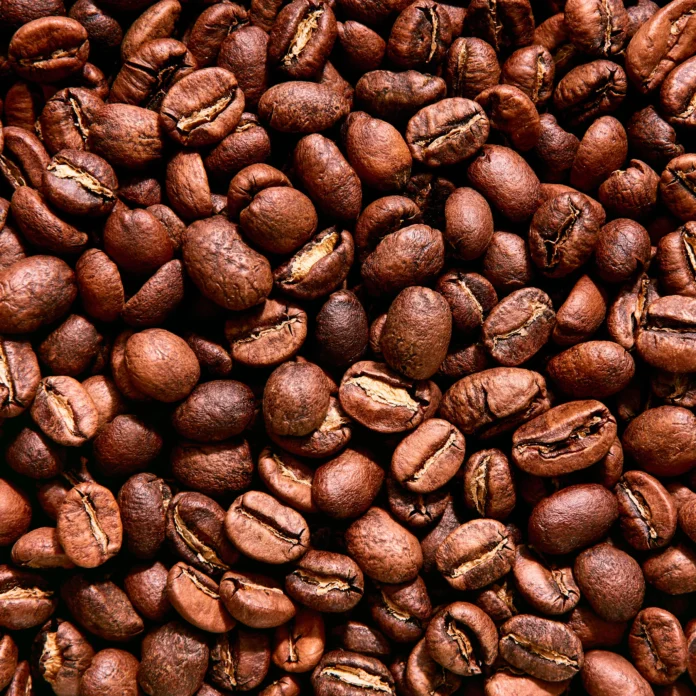
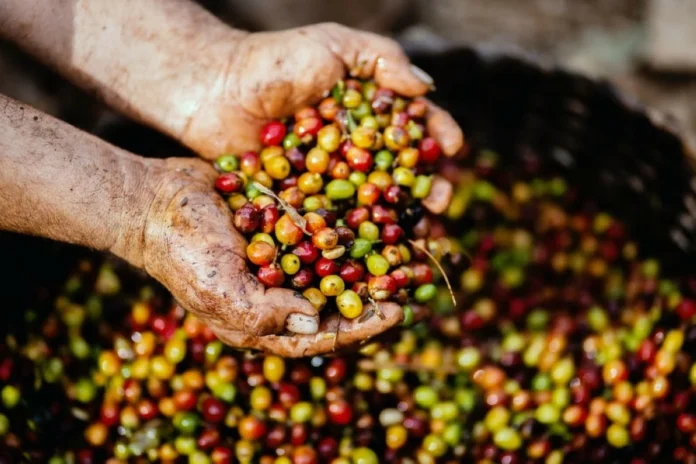
The coffee market, in particular, has benefited from a confluence of factors that have kept prices well above the psychological threshold of 100,000 dong per kilogram. In Dak Lak province, the nation’s leading coffee hub, prices stood at 101,000 dong per kilogram, marking the highest level recorded domestically. Nearby Gia Lai maintained prices at 100,800 dong per kilogram, while Lam Dong held steady at 100,500 dong per kilogram. These figures represent a temporary pause after recent gains, yet they underscore a broader trend of scarcity-driven support. As the harvest season winds down, supplies have gradually diminished, prompting many farmers to withhold stocks in anticipation of even better returns as the Lunar New Year approaches. This deliberate holding back has created a noticeable imbalance, with less coffee entering the market at a time when exporters and traders are actively building inventories for post-holiday contracts.
Global market signals have further bolstered this domestic firmness. On the London exchange, Robusta contracts posted strong gains in the latest sessions, with the January 2026 delivery rising sharply to 4,332 dollars per tonne and longer-dated contracts also advancing. Arabica prices on the New York exchange continued their upward trajectory, while Brazilian benchmarks similarly climbed. These international increases provide a supportive backdrop for Vietnamese Robusta, the dominant variety grown in the country, reinforcing the view that high prices are not merely a local phenomenon but part of a wider commodity upswing. Traders have responded cautiously, weighing options carefully once prices surpassed key levels, resulting in low volatility and controlled trading ranges rather than dramatic swings.
Looking ahead, the coffee sector appears poised for continued strength through the first quarter of 2026 and beyond. With farmers likely to maintain their withholding strategy until after the Tet celebrations, supply constraints could intensify in the immediate post-holiday period, especially as exporting firms ramp up fulfillment of existing orders. This dynamic, combined with persistent global demand and the absence of any major downward pressure from competing producers, suggests that prices may consolidate around current highs before resuming an upward path. Experts point to the market’s ongoing consolidation phase as a healthy precursor to renewed momentum, potentially pushing average domestic prices toward 105,000 dong per kilogram or higher by mid-year if weather conditions remain favorable and no unexpected surges in output emerge from other origins.
The pepper market tells a parallel story of stability amid underlying optimism. Prices across key regions showed no deviation on January 26, with Dak Lak again commanding the premium at 150,000 dong per kilogram. Other provinces clustered closely around this level, including 149,000 dong in both Ho Chi Minh City trading hubs and Lam Dong, 148,500 dong in Gia Lai, and a slightly lower 148,000 dong in Dong Nai. This tight range indicates a market in equilibrium, where commercial activity remains moderate but expectations for a demand rebound are growing.
International export benchmarks reinforced this steadiness, with Vietnamese black and white pepper quotations holding firm against competitors from Indonesia, Brazil, and Malaysia. White pepper from Vietnam, in particular, commanded a strong premium at 9,350 dollars per tonne, reflecting the country’s reputation for quality and its dominant position in global supply chains. Although trading volumes have been subdued ahead of the holidays, the current price foundation offers substantial downside protection, limiting the likelihood of sharp corrections in the near term.
Future prospects for pepper appear equally encouraging, with analysts forecasting either sustained stability or modest gains in the coming sessions. As purchasing activity resumes after the Lunar New Year, exporters are expected to step up acquisitions, providing fresh upward impetus. Absent any significant selling pressure from growers eager to liquidate holdings, prices could remain anchored between 148,000 and 152,000 dong per kilogram through the early months of 2026, potentially testing higher levels if global consumption patterns accelerate. Longer-term, the structural advantages of limited new plantings in recent years and steady international appetite point toward a favorable environment, where Vietnamese pepper could see average annual prices settling well above historical norms.
This dual performance of coffee and pepper highlights Vietnam’s enduring strengths as a premier agricultural exporter. Both commodities have weathered seasonal lulls and global volatility to maintain elevated valuations, driven by prudent supply management at the farm level and proactive buying from downstream players. The approach of the Lunar New Year traditionally introduces a period of reduced activity, yet the underlying fundamentals remain solidly supportive. Farmers, having experienced years of fluctuating fortunes, now find themselves in a position of relative leverage, able to capitalize on tight inventories and anticipatory demand.
As the year progresses, several key variables will shape the trajectory of these markets. Weather patterns in the Central Highlands will be closely watched, as any disruptions to the upcoming crop cycles could further constrict supplies. On the demand side, recovery in major consuming markets and the fulfillment of forward contracts will play critical roles. Global commodity trends, including currency movements and competing crop outputs, will also influence sentiment. Nevertheless, the prevailing indicators as of late January 2026 paint a picture of resilience and potential upside.
For coffee, the combination of post-harvest scarcity and holiday-related withholding sets up a scenario where prices could experience renewed vigor in February and March, possibly extending gains into the second quarter if international exchanges maintain their bullish tone. Pepper, meanwhile, benefits from a similar seasonal dynamic, with the prospect of stronger export flows post-Tet providing a catalyst for incremental advances. In both cases, the absence of aggressive selling and the presence of structural support suggest that 2026 could mark another year of rewarding returns for Vietnam’s growers.
This sustained pricing environment not only bolsters rural incomes but also contributes meaningfully to the national economy, reinforcing Vietnam’s status as a reliable supplier in global agricultural trade. While short-term caution prevails amid holiday preparations, the longer outlook remains constructive, with high prices likely to persist and potentially appreciate as market participants reposition for the year ahead. The early signals from 2026 indicate that coffee and pepper will continue to serve as pillars of strength, rewarding patience and strategic timing in one of the world’s most dynamic agricultural landscapes.