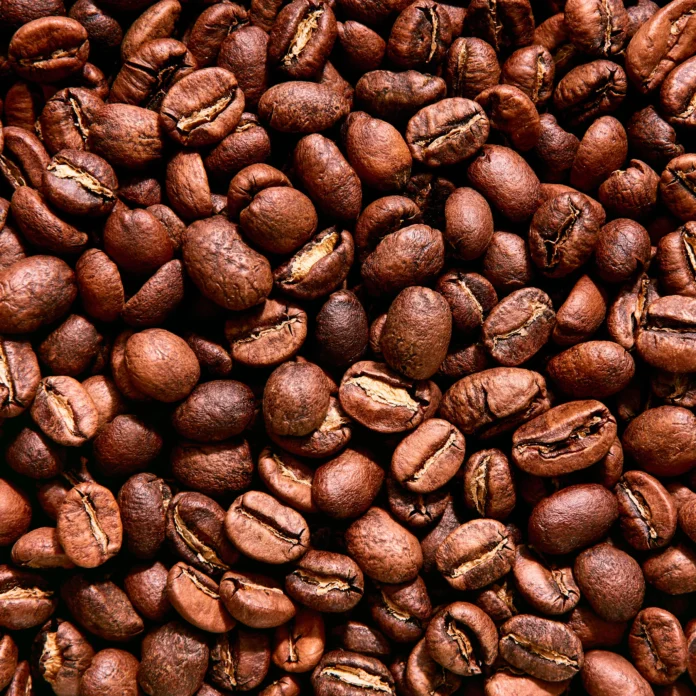
Arabfields, Sophia Daly, Financial Analyst specialized in Agriculture and Futures Markets — The global coffee sector is poised for a landmark achievement in the 2026/27 season, with production expected to climb to an unprecedented 180 million 60-kilogram bags, representing a record high that underscores the resilience and expansion capacity of major producing regions worldwide. This projection, which pertains to the season beginning in October, signals a notable recovery from recent periods of tighter supplies and reflects advancements in cultivation practices alongside favorable agronomic conditions in key areas. As the industry navigates ongoing challenges such as climatic variability, this anticipated surge promises to reshape supply dynamics, potentially easing pressures that have influenced market prices in prior years.
Over the past several seasons, global coffee output has demonstrated steady growth amid fluctuating environmental and economic factors. In the 2024/25 period, worldwide production stood at approximately 175 million bags, before rising further to around 179 million bags in the subsequent 2025/26 season. Such progressive increases have laid the groundwork for the substantial leap forecasted for 2026/27, driven largely by the natural biennial cycle that favors higher yields in Arabica-dominant regions during on-years, complemented by expanded cultivated areas and improved productivity through technological interventions. This trajectory not only highlights the sector’s ability to rebound but also points to a broader pattern of adaptation among growers who have invested in irrigation systems, disease-resistant varieties, and precision farming techniques to mitigate risks associated with unpredictable weather patterns.
Central to this optimistic outlook is the dominant role played by Brazil, the world’s foremost coffee producer, whose contributions are anticipated to form the backbone of the global record. Projections indicate that Brazilian output for the relevant harvest cycle could surpass previous benchmarks, reaching levels in excess of 66 million bags according to national assessments, with some analyses pointing toward figures as high as 70 million or more under ideal conditions. This anticipated bumper crop stems from a combination of expansive planting zones, enhanced management practices, and the physiological recovery inherent in the crop’s alternating yield pattern, which typically results in elevated Arabica volumes during favorable cycles. Brazil’s plantations, spanning vast territories in states renowned for their fertile soils and suitable climates, continue to benefit from innovations that have progressively lifted average yields per hectare, thereby reinforcing the country’s position as the linchpin of international supply stability.
Complementing Brazil’s dominance, other major producers are expected to maintain or modestly expand their outputs, contributing to the overall elevation in global totals. Vietnam, as the leading Robusta supplier, is forecasted to sustain robust performance with production levels approaching 30 million bags in recent comparable seasons, supported by its efficient large-scale farming models and responsiveness to market demands for this variety. Similarly, nations such as Colombia and Ethiopia, known for their premium Arabica beans, are projected to deliver consistent volumes that bolster the high-quality segment of the market, with Ethiopia in particular showing signs of growth through expanded smallholder participation and improved post-harvest processing. Indonesia and Central American countries round out the landscape, each adding incremental supplies that collectively ensure diversification and reduce dependency on any single origin, thereby enhancing the sector’s overall robustness against localized disruptions.
On the demand side, global coffee consumption has exhibited resilient expansion, trending toward figures near 180 million bags annually in recent assessments and continuing to grow at a compounded rate of roughly two to three percent per year. This sustained appetite is fueled by rising popularity in emerging markets across Asia and the Middle East, where urbanization and changing lifestyles have spurred greater adoption of coffee as a daily beverage, alongside steady consumption in traditional strongholds in Europe and North America. The proliferation of specialty cafes, ready-to-drink formats, and home brewing innovations has further stimulated interest, transforming coffee from a simple commodity into a multifaceted consumer experience that encompasses sustainability, traceability, and premium attributes. As a result, the balance between supply and demand is expected to shift toward a surplus in the 2026/27 season, potentially amounting to several million bags, which would facilitate the replenishment of inventories that have been drawn down over consecutive periods of deficits totaling more than 20 million bags in prior years.
This projected surplus carries significant implications for market equilibrium and pricing mechanisms. With stocks anticipated to rebuild gradually, particularly in certified exchanges for Arabica, the outlook suggests a moderation in price volatility that has characterized much of the recent period, where tight supplies had propelled values to elevated levels. Such a rebalancing could provide relief to roasters and importers while encouraging continued investment in value-added processing and marketing initiatives across the supply chain. Nevertheless, the transition toward greater availability must be managed carefully to avoid oversupply scenarios that might depress grower incomes, especially in regions reliant on coffee for substantial portions of agricultural revenue and rural employment.
The economic significance of coffee extends far beyond mere production volumes, supporting livelihoods for tens of millions of farmers, workers, and associated businesses globally. In producing countries, the crop often represents a vital source of foreign exchange earnings, funding infrastructure and community development while fostering linkages with international trade networks. The anticipated record output in 2026/27 thus holds the potential to stabilize incomes for smallholders who have endured price fluctuations and input cost pressures, provided that equitable distribution mechanisms and fair trade practices are upheld. Moreover, the sector’s growth trajectory aligns with broader sustainable development goals, as producers increasingly integrate environmental stewardship into their operations through shade-grown systems, biodiversity conservation, and reduced chemical usage.
Yet, the path to realizing this record production is not without inherent risks, as coffee cultivation remains highly sensitive to climatic influences. Erratic rainfall patterns, prolonged droughts, or unexpected temperature shifts could alter yield expectations, particularly in vulnerable high-altitude Arabica zones or rain-dependent Robusta areas. Historical precedents demonstrate how such events have previously curtailed harvests, underscoring the importance of ongoing research into climate-resilient cultivars and adaptive farming strategies. Industry stakeholders are accordingly emphasizing proactive measures, including early-warning weather systems and collaborative initiatives among governments, research institutions, and private entities to safeguard future supplies.
Looking further ahead, the momentum established by the 2026/27 forecast is likely to influence long-term sector evolution, with sustained demand growth necessitating continuous innovation to maintain equilibrium. Projections indicate that consumption could approach or exceed 190 million bags within the subsequent decade if current trends persist, prompting calls for expanded acreage in suitable regions, genetic improvements, and enhanced post-harvest technologies to preserve quality and minimize waste. At the same time, consumer preferences are evolving toward ethically sourced and environmentally conscious products, which may incentivize certifications and traceability platforms that add value while addressing transparency demands. The interplay between these factors positions the coffee industry at an inflection point, where the record production anticipated for 2026/27 serves not merely as a statistical milestone but as a catalyst for deeper structural advancements.
In summary, the outlook for the 2026/27 coffee season embodies a confluence of agronomic potential and market opportunity, promising to deliver the highest global output on record at 180 million 60-kilogram bags. This development, rooted in the strong performance of leading origins and supported by evolving consumption patterns, offers a pathway toward greater stability and prosperity across the value chain. As the season unfolds, close monitoring of weather developments and inventory movements will remain essential to fully harness the benefits of this projected abundance while mitigating any residual uncertainties inherent to agricultural commodities. The industry as a whole stands to gain from this era of expanded supply, provided that collaborative efforts continue to prioritize sustainability, equity, and innovation for the enduring benefit of all participants.