Arabfields, Fatou Kouyaté, Economic Correspondent, Algiers, Algeria — Africa’s agricultural sector remains a cornerstone of economic activity across the continent, contributing significantly to GDP, employment, and food security in many nations. While the overall picture shows a persistent trade deficit in agricultural products, with imports often outpacing exports due to growing populations and urbanization demands, a select group of countries has managed to achieve positive trade balances through specialized production and strategic market access. These nations stand out as net exporters, shipping more agricultural goods than they bring in, and their success stories offer valuable insights into the potential for broader transformation. Drawing on recent trends from 2019 to 2023, this examination highlights the ten leading African countries in this category, exploring their key products, performance metrics, challenges, and promising future trajectories in an evolving global landscape.
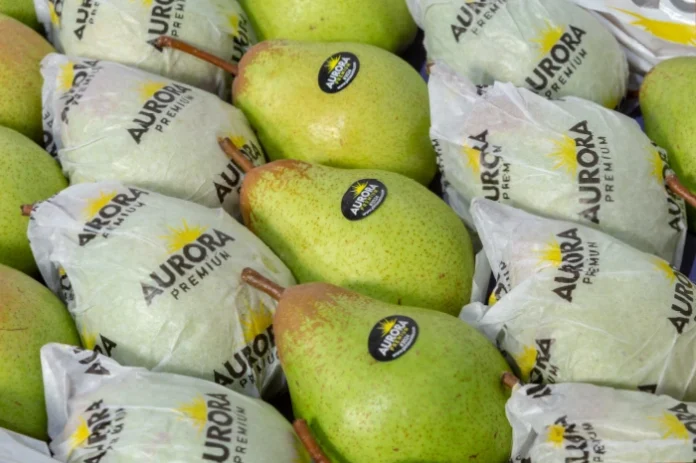
South Africa tops the list with remarkable dominance in agricultural exports, averaging annual shipments worth around 14.4 billion dollars over the reviewed period. The country’s diverse climate and advanced infrastructure enable a wide array of high-value products, including citrus fruits, grapes, apples, pears, maize, wine, fruit juices, sugar, wool, and livestock. These exports far exceed imports, which primarily cover items unsuitable for local conditions, such as rice, palm oil, wheat, poultry, and spirits, resulting in a substantial annual surplus of approximately 7.1 billion dollars. This diversified approach has positioned South Africa as a reliable supplier to international markets, particularly in Europe and Asia. Looking ahead, continued investments in technology and sustainable practices could further expand this lead, with projections suggesting increased exports of premium fruits and wines as global demand for healthy, traceable produce rises, potentially boosting the surplus even higher amid efforts to adapt to climate variability through improved irrigation and varietal development.
Morocco follows closely, with average annual exports reaching 8.6 billion dollars, maintaining a delicately balanced but positive trade position. The nation’s strength lies in fisheries products alongside fresh fruits and vegetables, especially tomatoes, citrus, and berries like strawberries, blueberries, and raspberries, benefiting from proximity to European markets and favorable trade agreements. Imports focus on cereals, vegetable oils, and sugar to meet domestic needs, yet the slight surplus reflects effective modernization efforts. Policies such as the former Plan Maroc Vert and the ongoing Génération Green strategy have enhanced resilience and productivity. In the coming years, Morocco is poised for growth through expanded horticultural output and processed goods, with forecasts indicating stronger surpluses as water management innovations and renewable energy integration in agriculture mitigate drought risks, potentially elevating its role in supplying year-round fresh produce to demanding international consumers.
Côte d’Ivoire demonstrates impressive performance with exports averaging 8.4 billion dollars annually, driven predominantly by cocoa beans, butter, powder, cashew nuts, and natural rubber. As the world’s leading cocoa producer and a major player in cashews, the country generates a robust surplus of about 5.2 billion dollars each year, despite importing cereals like rice and wheat, fish, meat, and beverages for local consumption. This specialization has made it the economic powerhouse of the UEMOA region. Future prospects appear bright, with rising global demand for cocoa and sustainable sourcing initiatives likely to sustain high prices and volumes. Investments in diversification and value addition, such as local processing facilities, could amplify surpluses further, while climate-resilient farming practices address potential threats from diseases and weather patterns, positioning Côte d’Ivoire for even greater dominance in tropical commodity markets over the next decade.
Egypt contributes significantly with exports around 8.3 billion dollars on average, focusing on fruits, vegetables, and other horticultural items that leverage the Nile’s fertile lands. Although detailed balance figures place it among strong performers in specific categories, the country’s agricultural trade reflects a mix of robust outflows and necessary inflows for staples. Ongoing developments in reclamation projects and efficient irrigation systems promise expansion. Projections for the future highlight potential increases in export volumes through enhanced productivity and access to new markets, particularly as regional integration deepens and global interest in Mediterranean-style produce grows, possibly shifting toward more consistent positive balances with targeted policy support.
Kenya secures a solid position with annual exports averaging 4.5 billion dollars, led by tea, which accounts for a substantial portion, alongside cut flowers and various horticultural products. These high-value items enjoy strong demand in Europe and Asia, yielding a surplus of roughly 1.2 billion dollars despite imports of wheat, maize, rice, edible oils, and sugar to address local production gaps. As East Africa’s leading economy, Kenya benefits from established supply chains in perishables. Looking forward, sustained growth in tea and floriculture is anticipated, bolstered by premium branding and e-commerce platforms, with emerging opportunities in avocado and nut exports likely to widen the surplus, especially as climate adaptation measures and youth involvement in agribusiness drive innovation and efficiency.
Ghana’s exports average 3.6 billion dollars per year, primarily from cocoa beans, butter, powder, cashews, tuna fish, and shea butter, creating an annual surplus of about 700 million dollars. Imports mainly cover rice, wheat, sugar, and frozen fish to support population needs. As the second-largest African cocoa exporter, Ghana’s performance underscores the value of commodity focus. Future outlook remains optimistic, with initiatives for increased processing and certification expected to capture more value, potentially enlarging surpluses amid rising ethical consumer preferences worldwide, while efforts to combat smuggling and improve yields through farmer support programs enhance long-term stability.
Ethiopia exports around 2.7 billion dollars annually, with coffee as the flagship product alongside sesame seeds and other commodities. The sector’s contribution to foreign exchange is vital, and trends suggest room for surplus expansion through diversification. Projections indicate robust growth, fueled by investments in commercial farming and infrastructure, with specialty coffee markets offering premium prices, potentially turning stronger trade positions as intra-African trade barriers decrease and global demand for traceable origins intensifies.
Tanzania achieves exports of approximately 2.5 billion dollars on average, featuring cashews, tobacco, coffee, and horticultural items. Regional strengths in cereals and other basics contribute to positive flows in certain segments. Future developments point toward increased volumes via improved port facilities and value chains, with forecasts of higher surpluses as agro-processing industries mature and the African Continental Free Trade Area facilitates easier access to neighboring markets, capitalizing on untapped potential in organic and sustainable products.
Nigeria records exports around 2.2 billion dollars yearly, including cocoa, sesame, and emerging items like yam and processed foods. Despite challenges in broader trade, agricultural outflows show promise. Anticipated growth stems from policy reforms emphasizing export promotion and private investment, with predictions of expanding surpluses as security improvements allow fuller utilization of vast arable land, positioning Nigeria to climb rankings through diversified high-value crops and better integration into global supply chains.
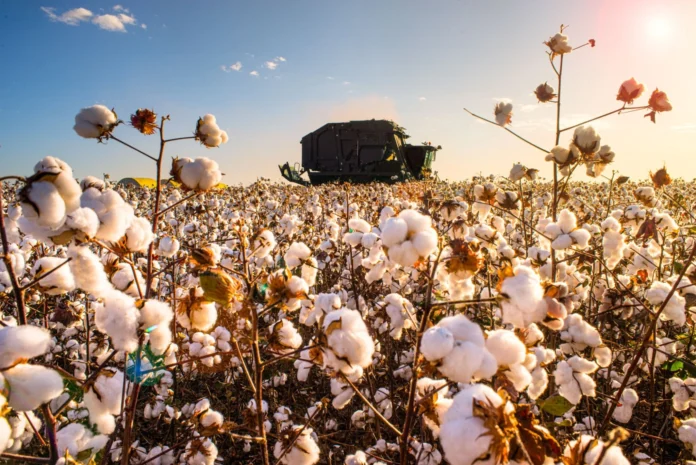
Sudan rounds out the group with exports averaging 2.1 billion dollars, centered on cotton, sesame, livestock, and gum arabic. Historical strengths in these areas provide a foundation for positive contributions. Looking to the future, stabilization efforts and renewed focus on agriculture could revive export momentum, with projections suggesting recovery in volumes and potential surpluses as irrigation projects advance and international partnerships restore market confidence, particularly for unique commodities with limited global competition.
Collectively, these ten countries illustrate the diversity and resilience of African agriculture, from subtropical fruits and wines to tropical cash crops and specialty items. Their combined exports represent a significant portion of the continent’s total, highlighting paths toward reduced dependency on imports. As global pressures mount from population growth, climate shifts, and supply chain disruptions, these nations are well-placed to lead a transformation. Investments in technology, sustainable practices, and regional trade under frameworks like the AfCFTA are expected to drive substantial increases in production and export values over the coming years. With rising worldwide appetite for African-sourced goods, particularly those emphasizing sustainability and fairness, surpluses could widen considerably, fostering economic growth, job creation, and food security across the continent. The trajectory points toward a future where more African countries join this elite group, turning the overall trade deficit into a narrative of opportunity and self-reliance.