Arabfields, Meriem Senouci, Correspondent, Hanoï, Vietnam — Vietnam has long stood as a titan in the global coffee industry, its vast highlands blanketed with robusta plantations that fuel much of the world’s demand for bold, affordable brews. As the second-largest coffee exporter on the planet, the country has transformed from a modest producer into an economic powerhouse, driven by the resilient robusta bean that thrives in its tropical climate. In recent years, this sector has experienced unprecedented growth, with export revenues shattering records and positioning Vietnam as a critical supplier amid global shortages and fluctuating prices. Yet, beneath this glittering success lies a troubling reality, one where the domestic market grapples with an influx of counterfeit products that undermine consumer trust and highlight stark disparities in quality control.
The year 2025 marked a pinnacle for Vietnam’s coffee exports, with revenues soaring to approximately nine billion dollars, a remarkable increase of nearly sixty percent from the previous year. This surge came on the back of robust international demand, particularly for robusta, as weather challenges in competing nations like Brazil tightened global supplies and drove prices upward. Vietnamese farmers and exporters capitalized on these conditions, shipping out over one and a half million tons of coffee beans, much of it destined for markets in Europe, the United States, and Asia. The high prices encouraged expanded planting and improved harvesting techniques in key regions like the Central Highlands, where provinces such as Dak Lak, Gia Lai, and Lam Dong form the heart of production. This export triumph not only bolstered the national economy but also elevated the livelihoods of millions of smallholder farmers who depend on coffee as their primary income source.
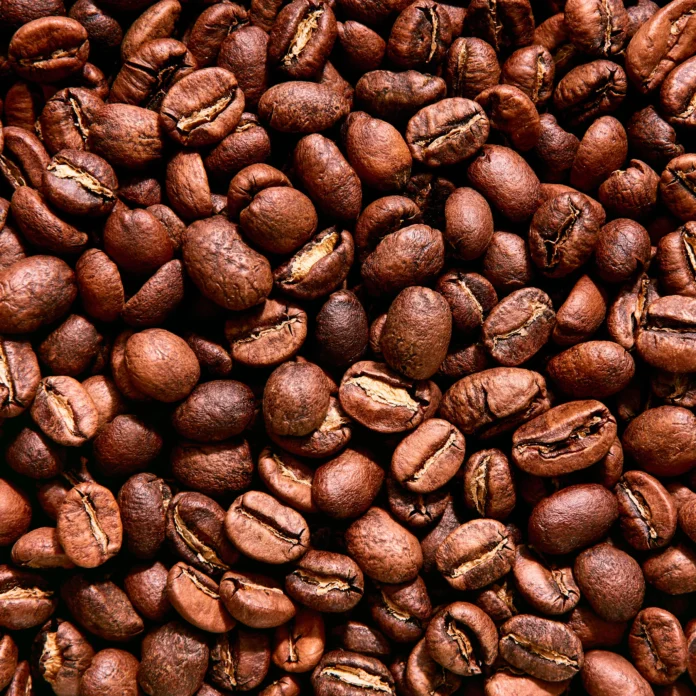
However, this outward success contrasts sharply with the challenges plaguing the internal market, where counterfeit coffee has become increasingly prevalent. Producers seeking to cut costs and maximize profits have turned to adulteration, blending genuine coffee powder with cheaper substitutes like soybeans, corn, and even artificial flavorings or dyes. These mixtures are often packaged to resemble authentic Vietnamese coffee, sold at lower prices that appeal to budget-conscious consumers in cities and rural areas alike. The practice allows unscrupulous operators to flood shelves with products that bear little resemblance to the pure robusta or arabica blends Vietnam is renowned for abroad. Consumers, many of whom enjoy coffee as a daily ritual in cafes or at home, unknowingly purchase these imitations, which not only lack the rich aroma and taste of real coffee but may pose health risks due to unlisted ingredients or improper processing.
A recent high-profile case in Lam Dong province exemplifies the scale of this issue. Authorities launched a criminal investigation into a warehouse operation suspected of manufacturing large quantities of fake coffee powder, primarily by mixing soybeans with minimal amounts of actual coffee or none at all. During the raid, officials confiscated over four tons of finished counterfeit products alongside several tons of raw materials, revealing a sophisticated setup designed to produce and distribute these deceptive goods. The operation targeted the domestic market, where enforcement has historically been less stringent than for exports, allowing such activities to proliferate in warehouses and small factories tucked away in coffee-growing regions. This incident, occurring amid the export boom, underscores a troubling duality, exporters adhere rigorously to international standards to maintain access to lucrative foreign buyers, while some domestic suppliers exploit lax oversight to peddle inferior or outright fraudulent items.
The roots of this counterfeit problem run deep, tied to economic pressures within the industry. Coffee production in Vietnam is dominated by small-scale farmers who face volatile prices, high input costs for fertilizers and labor, and competition from larger corporate players. When global prices spike, as they did leading into 2025, the incentive grows to reserve the highest-quality beans for export, where premiums are paid for purity and certification. Lower-grade or damaged beans, along with byproducts, sometimes find their way into domestic processing, but in extreme cases, they are supplemented or replaced entirely with non-coffee materials. Soybeans, being abundant and inexpensive, serve as a common adulterant because they can be ground into a powder that, when roasted and flavored, mimics the appearance and basic taste of coffee. This not only dilutes the product’s authenticity but also deceives consumers who value Vietnam’s coffee heritage, a tradition that blends French colonial influences with local innovation in brewing methods like the iconic phin filter.
Health implications add another layer of concern to this domestic crisis. Adulterated coffee may contain allergens like soy that are not declared on packaging, potentially triggering reactions in sensitive individuals. Moreover, the use of chemical dyes or artificial aromas to enhance the counterfeit product’s appeal raises questions about long-term safety, especially when consumed daily in large quantities. Vietnamese consumers, increasingly health-conscious and attuned to food quality amid rising living standards, have begun voicing frustrations over inconsistent products, leading to a gradual shift toward trusted brands or imported alternatives in urban areas. This erosion of trust threatens to shrink the domestic market for genuine producers, who struggle to compete on price against the flood of cheaper fakes. In rural communities, where coffee is both grown and consumed, the prevalence of counterfeits can discourage investment in quality improvements, perpetuating a cycle of low standards.
On the economic front, the disparity between export excellence and domestic deception creates uneven benefits. While export revenues inject billions into the economy, supporting infrastructure, jobs, and foreign reserves, the counterfeit trade siphons profits toward illicit operators and deprives legitimate businesses of market share. Farmers, who toil to produce the beans that drive exports, often see little direct gain from domestic sales tainted by fraud. Government taxes and regulations aimed at the formal sector may indirectly fund crackdowns, yet the underground nature of adulteration makes it elusive. The recent Lam Dong raid signals a potential shift, with authorities demonstrating willingness to pursue criminal charges and dismantle operations, possibly in response to growing public awareness and pressure from industry associations.
Looking ahead, the future of Vietnam’s coffee industry appears poised for continued expansion, particularly on the export front, provided global demand remains strong. Production forecasts for the 2025/2026 season suggest an output of around thirty-one million bags, an increase of about ten percent over previous years, thanks to favorable weather, expanded acreage, and investments spurred by recent high prices. This bumper crop could propel exports beyond the nine billion dollar mark achieved in 2025, potentially reaching ten to twelve billion dollars by the end of 2026 if robusta prices stabilize at elevated levels. Emerging markets in Asia and sustained recovery in traditional buyers like the European Union are likely to absorb this increased supply, further entrenching Vietnam’s dominance in the robusta segment, which accounts for over ninety-five percent of its production.
Yet, the domestic counterfeit issue casts a shadow over this optimistic outlook. If adulteration practices persist unchecked, consumer confidence could decline further, leading to reduced per capita consumption within Vietnam and a reliance on imports for premium products. More alarmingly, any spillover into export channels, even if inadvertent, risks damaging the country’s hard-earned reputation for reliability. International buyers, increasingly demanding traceability and sustainability certifications, might impose stricter audits or shift sourcing elsewhere should scandals emerge. On a positive note, the momentum from recent investigations could herald broader enforcement efforts, with authorities expanding raids and implementing tougher penalties. Coupled with educational campaigns and support for farmer cooperatives, these measures might gradually purify the domestic supply chain, fostering a unified standard that benefits both local consumers and global partners.
In the longer term, by 2030, Vietnam’s coffee sector could evolve into a more integrated and transparent industry, where technological advancements like blockchain tracking ensure authenticity from farm to cup. Rising domestic incomes may also drive demand for higher-quality coffee at home, pressuring producers to abandon adulteration in favor of genuine differentiation. Farmers, empowered by fair trade initiatives and direct-to-consumer models, stand to gain the most, receiving better prices for their labor without the distortions of counterfeit competition. Environmental considerations, such as climate-resilient planting and reduced chemical use, will interplay with these quality improvements, positioning Vietnam not just as a volume leader but as a benchmark for sustainable robusta production.
Ultimately, the current paradox of soaring exports alongside domestic counterfeits presents both a challenge and an opportunity. By addressing the root causes through vigilant regulation, industry collaboration, and consumer empowerment, Vietnam can bridge the gap, ensuring that its coffee legacy shines equally brightly at home and abroad. The coming years will test this resolve, but with abundant resources and a proven track record of adaptation, the nation seems well-equipped to brew a more equitable and authentic future for one of its most cherished commodities. As global coffee lovers savor Vietnamese robusta in their morning cups, the hope is that local drinkers will soon enjoy the same unadulterated pleasure, turning a bitter divide into a shared strength. The trajectory points toward sustained growth, with exports likely to set new records annually through the decade, while domestic reforms gradually restore integrity to every bag and brew sold within the country’s borders. This dual path forward promises not only economic prosperity but a reaffirmation of Vietnam’s rightful place at the forefront of the world’s coffee narrative.