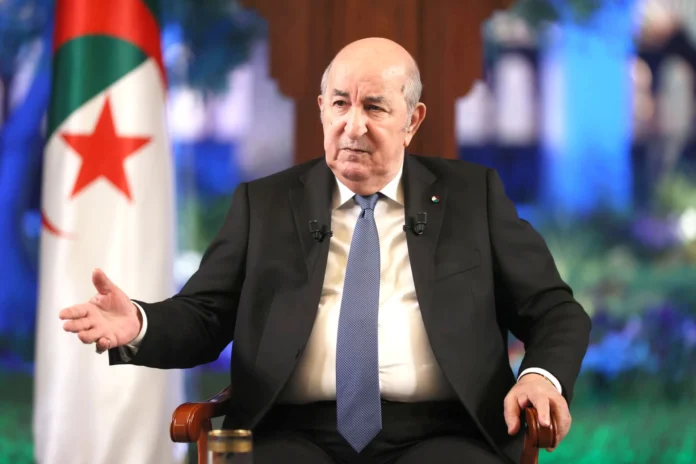
Arabfields, Imed Aissaoui, Oran, Algeria — In a significant development for Algeria’s economic diversification efforts, recent high-level discussions have paved the way for a promising partnership between the North African nation and the International Finance Corporation (IFC), the private sector arm of the World Bank Group, with agriculture emerging as a central pillar of this collaboration. These talks signal Algeria’s determined push to modernize its agricultural sector, reduce dependence on hydrocarbon exports, and achieve greater food security amid global challenges such as climate change and fluctuating commodity prices. The engagement reflects a mutual recognition of the vast potential in Algeria’s fertile lands, expansive southern territories, and growing private sector involvement in farming and agribusiness.
Algeria’s agricultural sector has long been a cornerstone of national strategy, yet it has faced constraints from water scarcity, outdated infrastructure, and limited access to financing for small and medium-sized enterprises. In recent years, the government has prioritized substantial investments in irrigation projects, land reclamation in the Sahara, and incentives for private investors to cultivate strategic crops like cereals, olives, dates, and vegetables. These initiatives have already yielded encouraging results, with notable increases in production volumes and expanded cultivated areas. The interest expressed by the IFC comes at a pivotal moment, as Algeria seeks international expertise and funding to accelerate this transformation and integrate sustainable practices that can withstand environmental pressures.
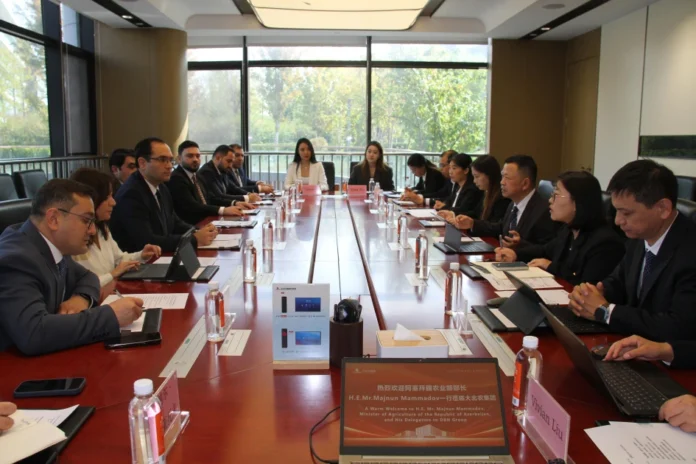
The foundation for this emerging partnership was laid during a series of meetings in Algiers involving a high-level IFC delegation and key Algerian officials, including representatives from the ministries responsible for agriculture and energy. During these exchanges, the IFC demonstrated keen interest in supporting projects that enhance the efficiency of agricultural value chains, improve access to finance for farmers and agribusinesses, and promote the adoption of renewable energy solutions in rural areas. Such support would encompass both technical assistance, in the form of expertise on best practices and technology transfer, and financial backing through loans, equity investments, and advisory services tailored to the private sector. This holistic approach aligns perfectly with Algeria’s vision of building a resilient, modern agricultural economy capable of feeding its population and contributing to export revenues.
The IFC’s involvement holds particular promise for addressing some of the most pressing challenges in Algerian agriculture. Water management, for instance, remains a critical issue in a country where arable land is limited and rainfall unevenly distributed. By facilitating investments in advanced irrigation systems, drip technologies, and solar-powered pumping stations, the partnership could dramatically improve water use efficiency and expand productive farmland, especially in the vast southern regions where large-scale projects are already underway. Similarly, enhancing storage facilities, cold chains, and processing units would reduce post-harvest losses, which currently diminish the value realized by farmers, and enable higher-quality products to reach domestic markets and international buyers. These improvements would not only boost yields but also create thousands of jobs in rural areas, helping to stem urban migration and foster balanced regional development.
Looking ahead, the forecasts for this collaboration are highly optimistic, grounded in Algeria’s recent agricultural performance and the IFC’s proven track record in similar contexts across emerging markets. Over the next five to ten years, sustained IFC engagement could catalyze billions of dollars in private investment into the sector, building on the government’s ongoing commitments. Production of key staples like wheat and barley, which have seen steady growth through expanded sowing campaigns, could rise by 30 to 50 percent, significantly reducing import bills that currently strain the national budget. Olive oil and date exports, already strong performers, stand to gain from upgraded processing and certification standards, potentially doubling Algeria’s market share in premium segments across Europe and the Middle East. Vegetable and fruit production, supported by greenhouse technologies and climate-smart varieties, may expand even more rapidly, turning seasonal surpluses into consistent revenue streams.
Moreover, the integration of renewable energy into agriculture represents a forward-looking dimension of this partnership that could position Algeria as a regional leader in sustainable farming. Solar-powered irrigation and off-grid electrification for rural enterprises would lower operational costs for farmers, reduce reliance on subsidized fossil fuels, and contribute to national carbon reduction goals. As global demand for sustainably produced food grows, Algerian products certified under international environmental standards could command higher prices, opening new markets in environmentally conscious consumers worldwide. This synergy between agriculture and clean energy would also attract additional investors, creating a virtuous cycle of innovation and growth.
The broader economic implications extend far beyond the fields and farms themselves. A revitalized agricultural sector, bolstered by IFC expertise, would strengthen Algeria’s overall resilience against external shocks, such as oil price volatility or global supply chain disruptions. By nurturing a vibrant ecosystem of agribusiness startups, cooperatives, and larger enterprises, the partnership would foster entrepreneurship, particularly among youth and women in rural communities. Financial inclusion initiatives, a core strength of the IFC, could extend credit and insurance products to hundreds of thousands of smallholder farmers who have traditionally been underserved by conventional banking. This democratization of finance would unlock latent productivity, driving inclusive growth and reducing poverty in areas where agriculture remains the primary livelihood.
In the longer term, perhaps by the early 2030s, Algeria could emerge as a net exporter of several agricultural commodities, reversing decades of import dependence and contributing positively to the trade balance. With continued policy support for private investment, land tenure reforms, and research collaborations, the sector’s contribution to GDP could double from current levels, providing a stable foundation for diversified economic development. Climate adaptation measures, including drought-resistant crops and soil conservation techniques supported by IFC advisory programs, would ensure that these gains are sustainable even as weather patterns become more unpredictable. The partnership thus offers not merely financial resources but a comprehensive framework for transforming agriculture into a dynamic engine of prosperity.
This budding collaboration between Algeria and the IFC underscores a shared commitment to sustainable development goals, particularly those related to zero hunger, decent work, and climate action. As both sides move toward formalizing agreements and identifying flagship projects, the momentum generated by these initial discussions promises to translate into tangible outcomes that benefit millions of Algerians. The spotlight on agriculture reflects a strategic choice to invest in the nation’s enduring assets, its land, its people, and its potential to feed not only itself but also contribute to regional food security. With careful implementation and sustained dialogue, this partnership has the potential to mark a new chapter in Algeria’s economic journey, one defined by innovation, resilience, and shared prosperity.