Arabfields, Farah Benali, Economic Correspondent, China — Kazakhstan is increasingly looking to Chinese investment and technology to reshape its economy, moving beyond the traditional export of raw materials towards higher-value industrial production.
The strategy is becoming visible across sectors ranging from agriculture and food processing to electric vehicles, renewable energy and robotics. At the Kazakhstan-China Investment Forum in Almaty, companies from both countries presented projects worth billions of dollars, highlighting a partnership that is becoming increasingly focused on manufacturing inside Kazakhstan rather than simply trading goods.
The scale of the relationship has grown rapidly. Kazakhstan’s foreign trade reached $87.7 billion in the first seven months of 2026, up 10.7% from the same period a year earlier. Exports rose 15.8% to $50.9 billion, while China accounted for 18% of Kazakhstan’s exports, making it the country’s largest export market during the period.
For Kazakh businesses, the attraction is clear. Instead of sending wheat, metals or other commodities abroad in their basic form, companies want to process them locally, create jobs and capture a larger share of the final value.
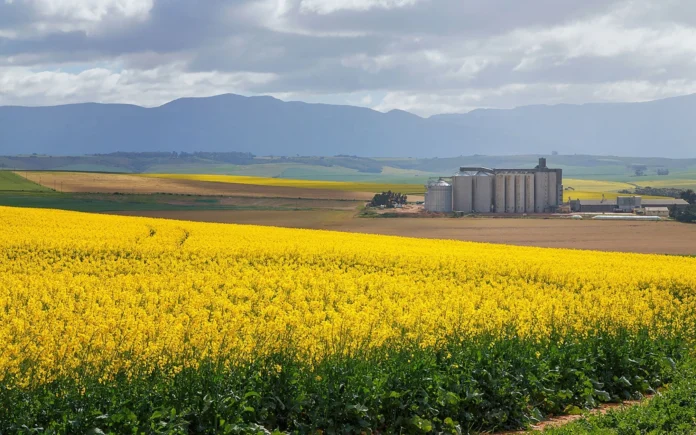
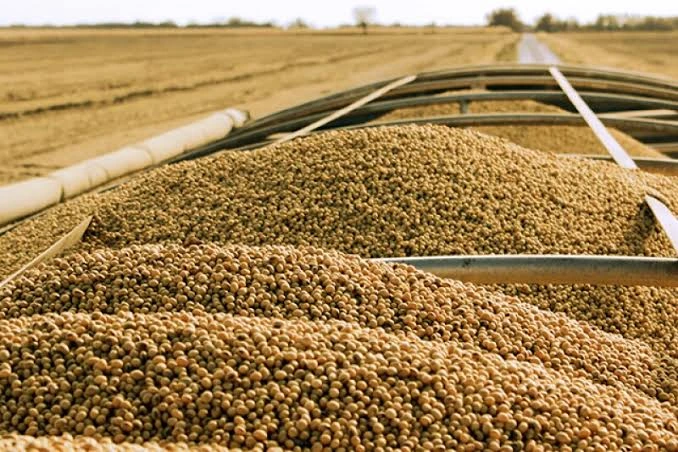
In northern Kazakhstan, Chinese companies are examining large-scale projects aimed at turning grain and oilseeds into flour, vegetable oils, animal feed and other processed products. One proposed industrial park is expected to require between $240 million and $280 million and could eventually process hundreds of thousands of tonnes of agricultural products each year.
The agricultural relationship is already expanding. Trade in agricultural products between Kazakhstan and China rose 61.7% year on year in the first quarter of 2026 to $697 million. Kazakh agricultural exports to China increased by 35.3% in 2025, reaching $1.43 billion.
For farmers, the change could mean more than simply higher export volumes. Greater domestic processing could create new demand for locally produced grain and oilseeds while reducing Kazakhstan’s dependence on selling commodities with relatively low margins.
The same industrial ambition is emerging in technology.
In Almaty, Chinese robotics company UBTECH is working with Kazakh partners on what is expected to become its first humanoid robot manufacturing facility outside China. The project is valued at about $440 million and is designed to include manufacturing, research and development and programming.
For Yerlan Nabiyev, head of Kazakhstan’s NERO Group, the objective is not simply to assemble imported machines. The project is intended to develop local expertise and create a new generation of engineers and programmers. The company plans to introduce robotics into schools, with dozens of schools in Almaty expected to receive educational robots before the end of 2026.
Production of service and humanoid robots is currently planned to begin in 2027, with an initial target of around 1,000 units a year. If the programme develops as planned, Kazakhstan could gradually establish a small but strategically important robotics industry serving Central Asian markets.
The broader investment pipeline is even larger. At the September investment forum, around 50 commercial documents worth more than $8.2 billion were exchanged between Kazakh and Chinese companies and institutions. Projects covered energy, automotive manufacturing, chemicals, logistics, metals, finance and advanced technology.
Kazakhstan’s geographical position is another important part of the calculation. About 85% of overland freight between China and Europe passes through Kazakh territory, giving the country an opportunity to turn its transport infrastructure into a platform for manufacturing and regional distribution rather than simply a transit route.
Trade between Kazakhstan and China reached $32.4 billion during the first seven months of 2026, an increase of 24.1% from a year earlier. If that pace were sustained, bilateral trade could approach or exceed $55 billion over a full year, although commodity prices, exchange rates and global demand will determine the final result.
The outlook for Kazakhstan’s export strategy therefore increasingly depends on whether investment agreements translate into operating factories.
That transition will take time. Large industrial projects require infrastructure, skilled workers, reliable energy supplies and access to international markets. They also expose Kazakhstan to greater dependence on Chinese capital, technology and demand.
Still, the direction is becoming difficult to miss. Kazakhstan is trying to move from being a country through which goods pass to a country where those goods are transformed.
For a grain farmer outside Kostanay, a new processing plant could mean a closer buyer. For a young engineer in Almaty, a robotics factory could mean a job that once would have required moving abroad. And for the government, the goal is broader, to build an economy capable of exporting products rather than primarily exporting resources.
If the investment projects announced in 2026 move into construction and production over the next two to three years, Kazakhstan could see a gradual shift in the composition of its exports, with processed food, manufactured goods, vehicles and technology taking a larger role.
The challenge now is to turn billions of dollars in signed agreements into factories, skilled jobs and products capable of competing beyond the Kazakh market.