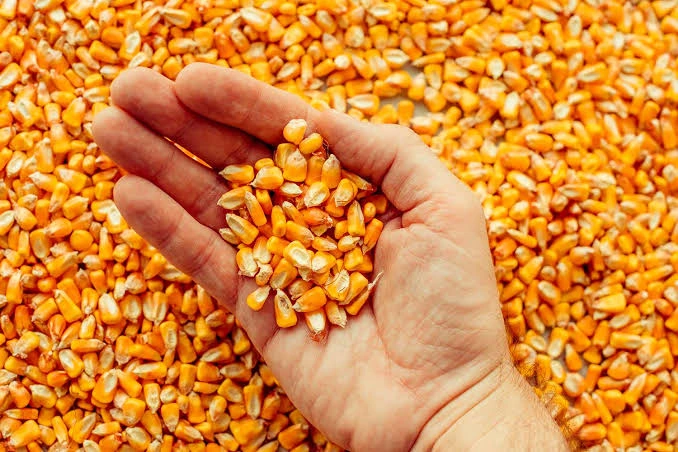
Arabfields, Meriem Senouci, Correspondent, Hanoï, Vietnam — Corn, or maize as it is often referred to in scientific and international contexts, holds a position of unparalleled importance in the global agricultural economy. As a primary source of carbohydrates for both human consumption and animal feed, it underpins vast segments of the food supply chain across continents. Recent agricultural assessments project that the world is on track for a significant expansion in corn output during the 2025-2026 growing season. This anticipated growth is expected to alleviate pressures on supply chains and contribute to greater stability in commodity markets worldwide. Global corn production is forecasted to attain approximately 1,295.9 million metric tons in the 2025-2026 campaign. This level constitutes a 5.3 percent increase from the 1,230.6 million metric tons harvested in the 2024-2025 season. The projected rise reflects a combination of favorable conditions in key producing areas and the ongoing efforts by farmers to optimize yields through improved agronomic practices. Such an increment is particularly significant in light of steadily rising global demand fueled by population increases, urbanization, and the expansion of livestock industries in developing economies.
At the forefront of this production growth is the United States, the traditional powerhouse of corn cultivation. Projections suggest that American farmers will generate 432.3 million metric tons during this period, which represents a substantial 14.3 percent improvement over the output from the immediately preceding campaign. This remarkable recovery positions the United States not only as the largest single producer but also as a critical stabilizer for international supplies. The increase can be seen as a testament to the advanced agricultural infrastructure in the country, including widespread adoption of hybrid seeds, precision farming technologies, and extensive irrigation systems that help mitigate the risks associated with variable weather patterns. With this higher volume, the United States is well placed to enhance its contributions to global trade flows, thereby supporting food security initiatives in import-dependent regions. The robust performance expected from this leading producer will likely influence planting decisions in subsequent seasons, as market participants anticipate continued strength and potential for even higher outputs if supportive conditions persist into future campaigns.
In the Asian continent, China continues to play a dual role as both a major producer and a significant consumer of corn. The country is expected to yield 301.2 million metric tons in the coming season, marking a 2.1 percent uptick from previous levels. While this growth is more moderate compared to that of the United States, it nonetheless contributes meaningfully to narrowing the gap between domestic supply and the immense requirements of China’s livestock sector. Corn is indispensable in China for feeding poultry, pigs, and cattle, sectors that have expanded rapidly to meet the protein demands of its large and increasingly affluent population. However, even with higher production, the nation’s import requirements are projected to jump dramatically to 8 million metric tons, an astonishing 338.8 percent increase. This surge in imports underscores the limits of domestic expansion in the face of voracious demand and highlights the interconnectedness of global agricultural markets. Looking ahead, the data suggest that sustained production gains in China, combined with strategic imports, could lead to more balanced internal supplies over the medium term, potentially reducing volatility and enabling steadier growth in related industries such as meat processing and feed manufacturing in the years following 2025-2026.
South American nations present a more varied landscape in their contributions to the global corn pool. Brazil, one of the emerging giants in agricultural exports, is projected to produce 131 million metric tons, reflecting a 3.7 percent decline relative to the prior season. This modest reduction might result from strategic shifts in land use, where farmers allocate more acreage to competing crops such as soybeans, or from localized weather events that affect planting schedules and harvest quality. Despite the dip, Brazil’s output remains robust and integral to supplying markets in Europe, Asia, and the Middle East. The country’s vast arable lands and favorable tropical climate enable it to maintain a competitive edge in the export arena, and trends observed in this forecast point toward opportunities for recovery and expansion in later seasons if acreage adjustments favor corn once more. Complementing this, Argentina is forecasted to achieve 53 million metric tons, which equates to a 6 percent gain. This positive development in Argentina adds to the resilience of South American production and could help offset some of the shortfalls observed elsewhere in the region, fostering diversified trade routes that enhance overall market flexibility in the foreseeable future.
European production dynamics offer further nuance to the overall picture. The European Union as a whole is expected to experience a 3.5 percent contraction in corn output, bringing the total to 57 million metric tons. Several factors, including stringent environmental policies aimed at reducing chemical inputs, shifts towards more sustainable cropping systems, and occasional adverse weather conditions such as excessive rainfall or drought in key areas, may account for this trend. Nonetheless, the European Union maintains high standards of quality and productivity per hectare, ensuring that its corn contributes effectively to regional food and feed needs while positioning the bloc to adapt through technology and policy refinements that could stabilize or reverse declines in coming campaigns. In Eastern Europe, Ukraine stands as a beacon of agricultural perseverance. Its corn production is set to rise by 8.2 percent to 29 million metric tons. This increase is noteworthy given the country’s history of challenges and demonstrates the potential for rapid recovery when conditions align, including improved access to inputs and stable export routes. Ukraine’s corn is highly valued in international markets for its quality and has the potential to bolster supplies to neighboring regions and beyond, with the current upward trajectory suggesting that further gains could materialize if recovery momentum is maintained into subsequent years.
The structure of world corn trade is anticipated to evolve in tandem with these production changes. Overall global exports are projected to expand by 10.4 percent, attaining a volume of 206.6 million metric tons. This growth in trade activity signals increased confidence in supply availability and is likely to facilitate smoother market operations across borders. Leading this export expansion is the United States, with an expected shipment of 83.8 million metric tons. Such dominance reaffirms the pivotal role of American agriculture in feeding the world and provides a reliable backbone for global commerce in this commodity. The elevated export levels forecasted here are based on data that imply a foundation for sustained trade growth, potentially leading to more predictable pricing and reduced risk for importers in the medium to long term.
On the import side, developments in Southeast Asia merit particular attention. Vietnam, for instance, is projected to bring in 13 million metric tons of corn, representing an 8.3 percent increase from the previous campaign. This escalation is driven by the rapid development of the country’s animal husbandry industry, particularly swine and poultry production, which requires substantial quantities of feed ingredients. As Vietnam’s economy continues to industrialize and its population urbanizes, the demand for meat products rises accordingly, thereby necessitating greater reliance on imported corn to bridge production gaps. This scenario is emblematic of broader trends across many emerging markets where agricultural self-sufficiency is pursued alongside aggressive growth in value-added food sectors, and the projections indicate that such import strategies could become even more integral to regional food systems in the years ahead as economies mature and consumption patterns evolve.
The implications of this projected production surge extend far beyond mere tonnage figures. An abundant global supply has the potential to moderate corn prices on international exchanges, which in turn could lower costs for feed manufacturers, food processors, and ultimately consumers. Livestock producers worldwide may benefit from more affordable inputs, potentially leading to increased output in meat and dairy sectors and helping to keep protein prices accessible for populations in both developed and developing nations. For industries utilizing corn in non-food applications, such as the production of biofuels like ethanol or industrial starches and sweeteners, the expanded availability could encourage greater utilization and innovation, supporting energy transition goals and industrial expansion. In contexts where a considerable share of the harvest supports renewable fuel mandates, this forecast provides a basis for optimism regarding scaled-up production capacities over the coming decade.
Furthermore, the forecast carries important ramifications for food security and economic development. In many parts of the world, stable and affordable corn supplies are essential for preventing spikes in food inflation and ensuring nutritional adequacy. Countries with limited arable land or those facing climatic constraints stand to gain from the projected export increases, as they can secure the necessary volumes without straining their foreign exchange reserves excessively. The case of Vietnam illustrates how strategic imports can fuel agricultural modernization and economic diversification, and similar benefits are likely to accrue to other importers as global supplies strengthen. Based on the data underlying these projections, future seasons could see continued upward pressure on production volumes, potentially pushing totals beyond 1.3 billion metric tons if current recovery patterns hold, thereby fostering an environment of greater abundance and resilience against supply disruptions.
It is also worth considering the broader context of sustainable agriculture within these projections. While the immediate outlook is positive, long-term success hinges on addressing challenges such as soil health, water management, and the impacts of climate change. Producers in major regions are increasingly adopting practices that promote environmental stewardship, including conservation tillage, crop rotation, and the use of drought-resistant varieties. These efforts, if sustained, could underpin even greater production achievements in future seasons beyond 2025-2026. The current data suggest that the rebound observed, particularly in key areas like the United States and Ukraine, lays the groundwork for structural improvements in global supply that could translate into lower volatility and enhanced predictability for stakeholders across the value chain.
However, uncertainties persist that could influence the realization of these forecasts. Weather anomalies, pest outbreaks, or shifts in trade policies among major players could alter the final outcomes. Geopolitical developments affecting export corridors also warrant close monitoring. Nevertheless, the overall positive trajectory provides a buffer and encourages proactive planning by governments, agribusinesses, and international organizations to capitalize on the momentum.
In summary, the 2025-2026 season promises a notable advancement in global corn production, approaching the significant milestone of nearly 1.3 billion metric tons. This expansion, propelled by strong performances in the United States, China, and select other nations, alongside adjustments in trade patterns, is set to reshape market conditions in a manner that generally favors greater accessibility and affordability. As the agricultural community moves forward, the focus will undoubtedly remain on leveraging this momentum to build more resilient, efficient, and sustainable food systems capable of supporting a growing global population well into the future.