Arabfields, Sophia Daly, Financial Analyst specialized in Agriculture and Futures Markets — Coffee prices settled sharply lower on Friday, with arabica falling to a one-week low as expectations of abundant global supplies weighed on the market.
Traders reacted swiftly to fresh forecasts pointing to a significant rebound in production, particularly from major origins. Arabica futures dropped notably, while robusta contracts also retreated, reflecting broader optimism about the upcoming harvest season. Market participants noted that the declines came after several weeks of elevated prices driven by earlier weather concerns in key growing regions.
Industry analysts have highlighted the role of improved weather patterns in Brazil, the world’s largest coffee producer. Recent projections suggest the country could see a record crop in the 2026/27 season, with estimates ranging from 75 to 76 million bags, representing a substantial increase from the previous year. This anticipated surge in output, including strong gains in both arabica and robusta varieties, has shifted sentiment toward a potential global surplus.
In Vietnam, the top robusta producer, production for the 2025/26 season is expected to rise to around 29.4 million bags, supported by favorable conditions and expanded cultivation efforts. Exports from the country have already shown robust growth, adding further pressure on prices for the more affordable robusta beans used widely in instant coffee and blends.
A Reuters survey of analysts conducted earlier this year indicated that arabica futures could close 2026 at approximately 225 cents per pound, a notable decline from levels seen in recent months. Robusta futures, meanwhile, are projected to settle around 2,500 dollars per tonne by year-end. These forecasts build on data showing global production potentially reaching a record 178 to 180 million bags in the coming seasons, outpacing steady demand growth.
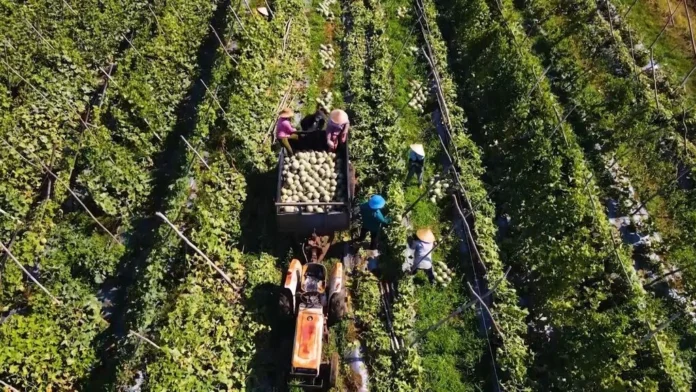
Farmers in Brazil’s key arabica regions, such as Minas Gerais, have expressed cautious relief after navigating drier spells in prior cycles. One cooperative leader in the area described how timely rains had supported flowering and berry development, raising hopes for higher yields that could stabilize incomes after volatile periods. In Vietnam’s Central Highlands, smallholder growers of robusta beans reported similar improvements, with many investing in irrigation to mitigate future climate risks.
Despite the current downward movement, experts caution that the market remains sensitive to unexpected weather events. While a surplus of several million bags is now anticipated for 2026, prolonged dry conditions or frosts could quickly reverse the supply picture. Demand continues to expand, fueled by rising consumption in emerging markets across Asia and sustained interest in premium arabica varieties in Europe and North America.
Overall, the latest price retreat underscores a transition toward greater supply availability in 2026. Analysts expect this trend to continue moderating costs for roasters and consumers alike, provided growing conditions hold steady in the months ahead. Market watchers will monitor upcoming crop reports closely for any shifts in these projections.