Arabfields, Naïla Mokhtari, Special Economic Correspondent, São Paulo, Brazil — Brazilian fruit exporters have reported a significant increase in shipments during the opening months of 2026, with overall fruit exports rising by 25 percent compared to the same period last year. This robust performance underscores the sector’s growing influence on the international stage and highlights the potential for further expansion.
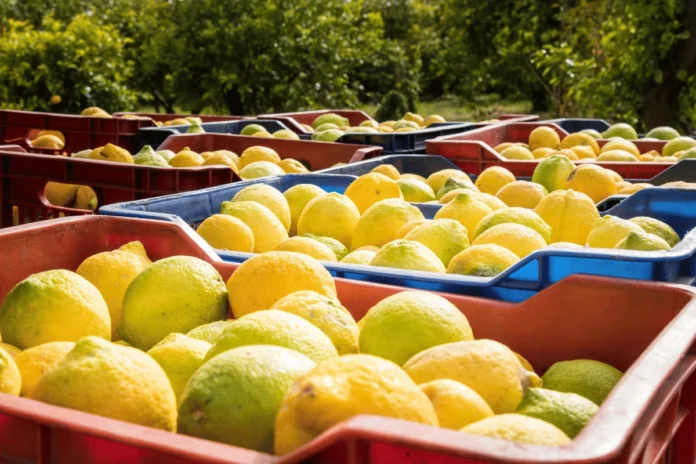
Industry leaders point to strong gains in mango and apple shipments as the primary drivers behind the surge. Mango exports, in particular, benefited from favorable weather conditions in key producing regions and sustained demand from traditional markets in Europe and North America. Apple shipments also climbed notably, supported by improved quality standards and competitive pricing that appealed to importers seeking reliable suppliers.
Farmers and exporters across Brazil’s major fruit-producing states expressed cautious optimism about the results. “We have worked hard to meet international phytosanitary requirements and invest in better post-harvest handling,” said Roberto Mendes, a mango producer from Bahia who has been exporting for over 15 years. “This growth reflects years of effort, but we know we must continue adapting to stay competitive.”
The positive momentum arrives as negotiations around the EU-Mercosur trade agreement advance. Many in the sector anticipate that a finalized deal could open additional doors for Brazilian producers by reducing tariffs and streamlining access to the large European consumer base. Exporters believe such an agreement would not only boost volumes but also encourage investment in sustainable farming practices and traceability systems demanded by European buyers.
Analysts project that, if current trends hold, Brazilian fruit exports could see annual growth rates between 15 and 20 percent over the next three to five years. This forecast rests on continued demand for tropical and temperate fruits, combined with Brazil’s capacity to scale production responsibly. Challenges remain, however, including logistical bottlenecks at ports and the need to address climate variability that occasionally affects harvests.
Government officials have welcomed the data, noting that diversified agricultural exports help stabilize the national economy. Efforts to expand cold-chain infrastructure and promote Brazilian fruit varieties at international trade fairs are expected to support sustained momentum.
For producers like Mendes, the first-quarter results represent more than statistics. They offer reassurance that targeted investments in quality and market access can translate into tangible benefits for rural communities. As Brazil positions itself as a leading fruit supplier, the coming months will test the industry’s ability to convert early success into long-term growth.