Arabfields, Giulia Alliata, Economic Correspondent, Italia — Serbia’s blueberry industry is entering the new season with cautious confidence, as exporters point to stable demand and improving production conditions that could reinforce the country’s position in the European market.
For growers and exporters alike, the past few years have tested resilience. Weather variability, rising input costs and shifting logistics routes have forced producers to adapt quickly. Yet the sector has managed to maintain its trajectory, supported by investments in modern plantations and cold chain infrastructure.
Radoje Đoković, director of Pureberry, says the mood among exporters is notably more optimistic this season. “We are seeing consistent interest from our buyers, especially in Western Europe,” he explained during a visit to a packing facility outside Belgrade. “The key now is maintaining quality and timing our deliveries precisely.”
Serbia has steadily expanded its blueberry footprint over the past decade, transforming from a niche producer into a recognized supplier. In 2026, national output is estimated to approach 45,000 tonnes, with exports accounting for the majority of production. Industry data suggest that nearly 80 percent of Serbian blueberries are destined for foreign markets, particularly Germany, the Netherlands and the United Kingdom, where demand for fresh berries continues to rise.
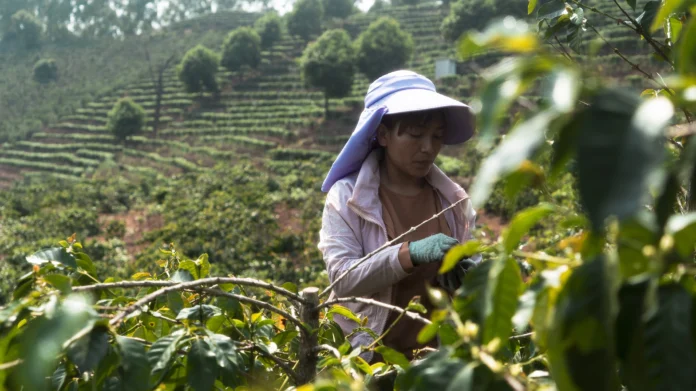
On the ground, the human dimension of this growth is evident. Seasonal workers, many from rural communities, play a crucial role during the harvest. Jelena Petrovic, who has worked on blueberry farms for five summers, describes the job as demanding but reliable. “It’s long days in the fields,” she said, “but it gives us steady income when we need it most.”
Exporters say consistency is what keeps buyers returning. Serbian blueberries benefit from relatively short transit times to key European destinations, allowing fruit to reach supermarket shelves quickly. This logistical advantage has become even more valuable as retailers prioritize freshness and traceability.
Still, challenges remain. Producers are closely monitoring labor availability and input costs, both of which have shown volatility. Climate conditions also remain a concern, as late frosts or heatwaves can quickly impact yields. To mitigate risks, many farms are investing in protective systems such as irrigation and anti frost technologies.
Looking ahead, industry projections for 2026 suggest moderate growth, with export volumes expected to increase by around 5 to 7 percent if weather conditions remain favorable. Analysts believe that Serbia could further strengthen its market share in Europe, particularly if it continues to align with strict quality standards and certification requirements.
There is also growing interest in diversifying export destinations. While Europe remains the primary market, some exporters are exploring opportunities in the Middle East and Asia, where demand for premium fresh fruit is expanding.
For Đoković and his peers, the outlook is steady rather than spectacular. “We are not chasing rapid expansion,” he said, “we are focused on sustainability and reliability. That is what our partners expect from us.”
As the harvest approaches, Serbia’s blueberry sector appears to be holding its course, balancing ambition with caution in a market that rewards consistency as much as growth.