Arabfields, Farah Benali, Economic Correspondent, China — China is stepping up its push to expand fruit consumption and imports, a move that is increasingly shaping global agricultural trade flows and offering new opportunities for exporting countries.
A recent communication shared by Voice of the People highlights growing domestic demand and the government’s broader effort to encourage healthier diets, placing fruit at the center of consumption trends.
Across major urban markets, traders report steady growth in fruit sales, supported by rising incomes and changing consumer preferences. At a wholesale distribution hub in Beijing, vendor Zhang Hui described a noticeable shift. “Customers are buying more imported fruit than before,” he said. “They are looking for quality and variety, not just price.”
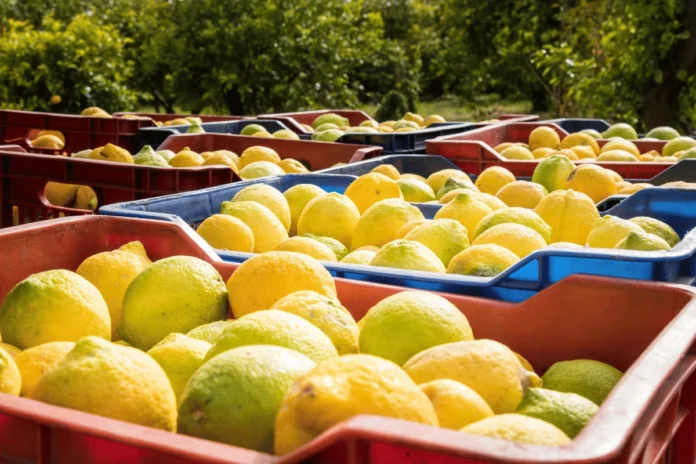
In 2026, China’s fruit consumption is estimated to exceed 320 million tonnes, making it one of the largest markets globally. Imports alone are projected to surpass 10 billion dollars in value, driven by demand for premium products such as cherries, durians and blueberries. Analysts say this trend reflects a broader transition toward diversified diets and higher food standards.
For exporting countries, the implications are significant. Producers in Southeast Asia, Latin America and parts of Africa are increasingly aligning their supply chains with Chinese demand cycles. Faster logistics, stricter quality controls and improved packaging have become essential to remain competitive.
The human impact is visible far beyond China’s borders. In Thailand’s eastern provinces, fruit growers closely monitor Chinese buying patterns. Sompong Kittisak, a durian farmer, said shipments to China often determine the success of an entire season. “When demand is strong, everyone benefits,” he explained. “When it slows, prices fall quickly.”
Market observers note that China’s policies are also influencing domestic production. Authorities are encouraging local farmers to modernize orchards and improve yields, while maintaining a balance between imports and self sufficiency.
Looking ahead, forecasts for 2026 suggest continued expansion. Fruit consumption could grow by 4 to 6 percent annually over the next few years, supported by urbanization and rising middle class purchasing power. Imports are expected to remain a key component of supply, particularly for high value products that cannot be produced domestically at scale.
At the same time, competition among exporters is likely to intensify. Countries able to guarantee consistent quality and reliable delivery are expected to capture a larger share of the market. Analysts also point to the growing role of e commerce platforms, which are reshaping how fruit is marketed and distributed across China.
Back in Beijing, Zhang remains confident about the future. “People here are changing how they eat,” he said, arranging boxes of imported fruit on display. “Fruit is no longer occasional, it is part of daily life.”
As demand continues to rise, China’s evolving appetite for fruit is set to remain a driving force in global agricultural trade, creating both opportunities and challenges for producers worldwide.